

Nigeria must end dependence on foreign internet routes, says expert

Innovation and technology policy adviser Jide Awe has urged Nigeria to prioritise local internet routing to reduce costs, strengthen digital sovereignty and accelerate economic growth. Mr Awe said this in an interview on Monday in Lagos.
According to the tech adviser, Nigeria’s internet ecosystem still routes substantial domestic traffic through overseas exchange points despite growing local infrastructure, creating avoidable economic, operational, and strategic vulnerabilities across sectors.
“The issue is not infrastructure alone but ecosystem design. Nigeria needs stronger local-first routing, lower interconnection costs and policies that make keeping traffic local more efficient,” Mr Awe said.
Speaking on digital sovereignty, Mr Awe noted that domestic internet transactions between Nigerian users frequently travelled through foreign jurisdictions before returning to serve local destinations and applications.
He explained that such dependence exposed Nigerian data to external legal and regulatory environments, raising concerns over privacy, security, national control and long-term resilience.
Highlighting the economic implications, Mr Awe said internet providers paid international transit charges in foreign currencies, making connectivity costs vulnerable to exchange rate fluctuations and global market pressures.
“In effect, Nigerian businesses and users bear the cost of dependence on external networks,” he said.
Mr Awe further observed that international route failures, including submarine cable disruptions, could affect local digital services, even when infrastructure within Lagos remained fully operational.
“This demonstrates that digital infrastructure is not only about where data is stored, but also who controls the routes through which it travels,” he added.
On the economic benefits of stronger local interconnection, Awe said retaining internet traffic within Nigeria would significantly lower operational costs and improve productivity across industries.
He explained that fintech platforms would process payments faster, strengthen fraud detection capabilities, and deliver more reliable services during periods of high transaction volume.
According to Mr Awe, streaming services and content providers will reduce dependence on overseas servers, lowering costs for consumers while expanding opportunities for Nigerian content across West Africa.
Mr Awe also said local cloud providers, e-commerce platforms and telecommunications operators would benefit from reduced international bandwidth expenses, improved performance and stronger security protections.
He noted that Nigeria had begun constructing and commissioning its first wave of hyperscale, AI-ready data centres, indicating progress toward building a more competitive digital infrastructure ecosystem.
However, Mr Awe cautioned that the country still faced significant challenges in meeting the computing and infrastructure demands of advanced artificial intelligence and hyperscale cloud services.
He explained that AI systems require continuous, high-density electricity supplies, forcing many operators to rely on costly gas- and diesel-powered backup systems to maintain reliability.
The technology adviser said that those energy requirements raised sustainability concerns and increased operational expenses for organisations seeking to deploy large-scale AI and cloud infrastructure.
Awe further noted that many global cloud providers are yet to establish full-scale operations locally, limiting Nigeria’s ability to capture greater value from digital services.
He urged regulators to ensure that the Nigeria Data Protection Act adequately addresses emerging realities associated with artificial intelligence, cloud computing, and cross-border data management.
Mr Awe also called on the government to introduce fiscal incentives and targeted support measures to accelerate investment in local digital infrastructure and advanced technology ecosystems.
(NAN)

We have recently deactivated our website's comment provider in favour of other channels of distribution and commentary. We encourage you to join the conversation on our stories via our Facebook, Twitter and other social media pages.

More from Peoples Gazette

Agriculture
FG tasks ECOWAS on leveraging financing strategies for agroecology
The federal government has urged stakeholders in the agriculture and finance sectors in the West Africa region to leverage financing strategies to enhance agroecology practices

Politics
Katsina youths pledge to deliver over 2 million votes to Atiku
“Katsina State is Atiku’s political base because it is his second home.”

Politics
Gov. Okpebholo lauds voter turnout in Edo LG poll
Mr Okpebholo urged residents to continue to conduct themselves peacefully throughout the voting process and to await the official declaration of the results.
States
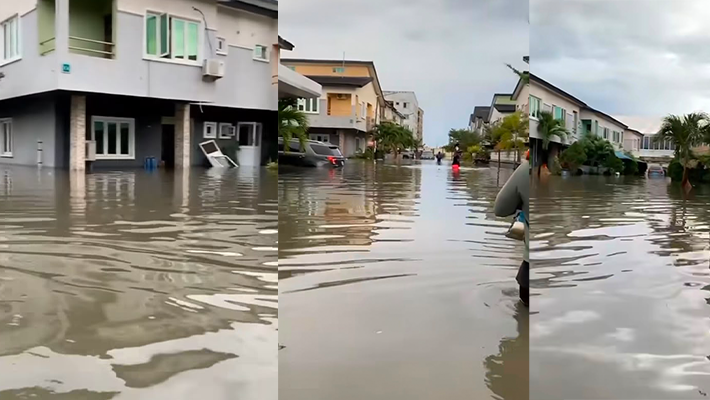
Ibeju-Lekki residents beg Lagos govt for urgent intervention over devastating flooding
The residents said constant rainfall had triggered devastating flooding in the area.
States
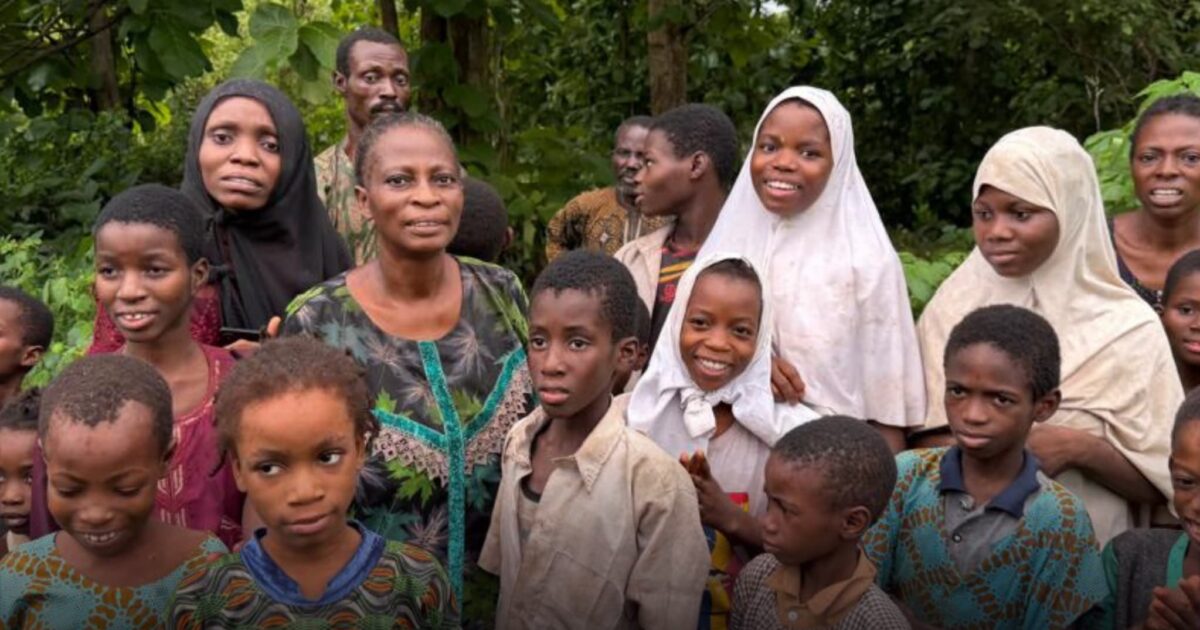
Obasa, PDP women leader hail rescue of Oyo pupils, teachers
Mr Obasa and Ms Ogunshe lauded the rescue of the 44 pupils and teachers in separate statements on Saturday.

States
Taraba govt. urged to establish sexual assault response centres
The stakeholders expressed concern over the rising cases of sexual and gender-based violence in the state.
States
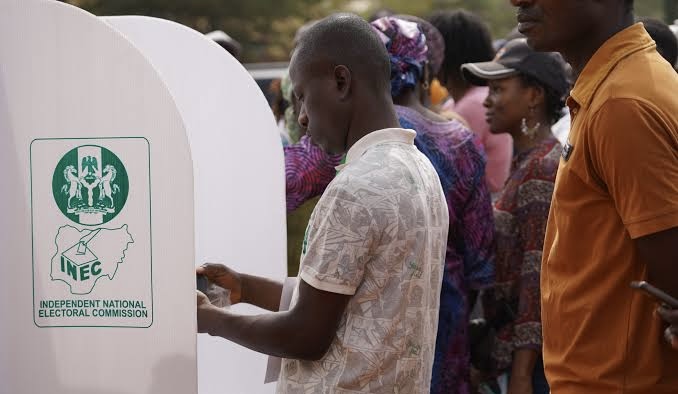
Edo LG Polls: APC leaders hail turnout, peaceful process
Mr Edusei described the voter participation as encouraging, saying it surpassed what he had witnessed in previous elections.

States
Edo LG Poll: Motorists, commuters disregard movement restriction in Benin City
Vehicular and commercial activities were observed around major areas including Ring Road, Airport Road, and the New Benin axis.


