

Nigeria needs $1 billion to sustain immunisation gains: NPHCDA

Nigeria requires $1 billion over the next five years to sustain immunisation gains.
The executive director of the National Primary Health Care Development Agency, Muyi Aina, made this known at the Multi-Stakeholders’ Technical Workshop on Optimising a Sustainable Immunisation Financing Model in Nigeria 2.0, on Wednesday in Abuja.
Nigeria’s immunisation financing model is built on a collaborative approach involving the federal, state, and local governments, with the federal government leading the funding of routine immunisations.
Mr Aina stressed that although significant progress has been made in immunisation coverage, financing remained a critical bottleneck.
According to him, only 21 per cent of the allocated vaccine funds for 2024 have been released, raising concerns about Nigeria’s ability to maintain its immunisation momentum.
“We need $1 billion over the next five years to secure vaccines for our population. But with less than a quarter of this year’s budget released, we are at risk of reversing hard-won gains,” he said.
Despite the funding gaps, the NPHCDA boss noted that in 2024, three million zero-dose children were reached, 14 million girls were vaccinated against cervical cancer, 91 million vaccine doses were administered, and over 10,000 cold chain units are now operational across the country.
He said immunisation was not solely the responsibility of the federal government but a national obligation.
“Immunisation is a national duty—for our children, our families, and the future of our health system,” he said.
He said the event gathered stakeholders from across the health sector to discuss sustainable strategies for funding immunisation, particularly in the face of Nigeria’s transition from Gavi support.
He stated that the government is making efforts to ensure that available resources are allocated more efficiently and directed toward primary healthcare and preventive services.
He said that to close future funding gaps, the country is exploring alternative revenue sources, including specific taxes and other innovative financing mechanisms.
The discussions underscored the importance of domestic resource mobilisation, stronger accountability frameworks, and collaboration among federal, state, and local governments.
Funding for immunisation services in Nigeria is a collective responsibility shared by the federal, state, and local governments, as guided by statutory budgetary allocations.
The federal government primarily leads in financing routine immunisation, particularly through co-financing vaccine procurement via the NPHCDA.
Gavi provides substantial financial support for vaccines and plays a key role in boosting immunisation coverage across the country.
Nigeria is actively working towards reducing its reliance on donor support by strengthening domestic resource mobilisation for immunisation financing.
Building a sustainable immunisation financing model will require a multi-sectoral approach that includes public investment, private sector participation, community engagement, and legal safeguards.
Experts said that without adequate funding, the most effective vaccines will not reach those who need them most.
They noted that sustainability must be at the heart of Nigeria’s immunisation financing.
The event gathered stakeholders from across the health sector to discuss sustainable strategies for funding immunisation, particularly in the face of Nigeria’s transition from Gavi support.
(NAN)

We have recently deactivated our website's comment provider in favour of other channels of distribution and commentary. We encourage you to join the conversation on our stories via our Facebook, Twitter and other social media pages.

More from Peoples Gazette

States
Independence: NBA urges Nigerians to expect better future
The NBA said that ordinary Nigerians should be deriving benefit from the subsidy removal rather than hardship.

Agriculture
FG tasks ECOWAS on leveraging financing strategies for agroecology
The federal government has urged stakeholders in the agriculture and finance sectors in the West Africa region to leverage financing strategies to enhance agroecology practices

Politics
Katsina youths pledge to deliver over 2 million votes to Atiku
“Katsina State is Atiku’s political base because it is his second home.”

Entertainment
Family confirms gospel artiste Toluwanisings’ demise
The family said funeral arrangements for the gospel artiste would be communicated later.
Heading 2
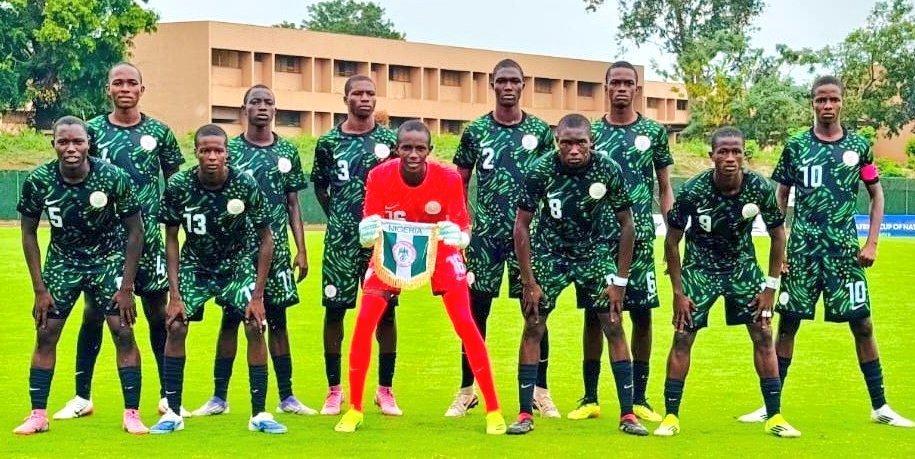
Golden Eaglets lose 2-1 to Niger Republic in WAFU U-17 AFCON qualifier
The result means Niger Republic top the group with four points after two matches.
States
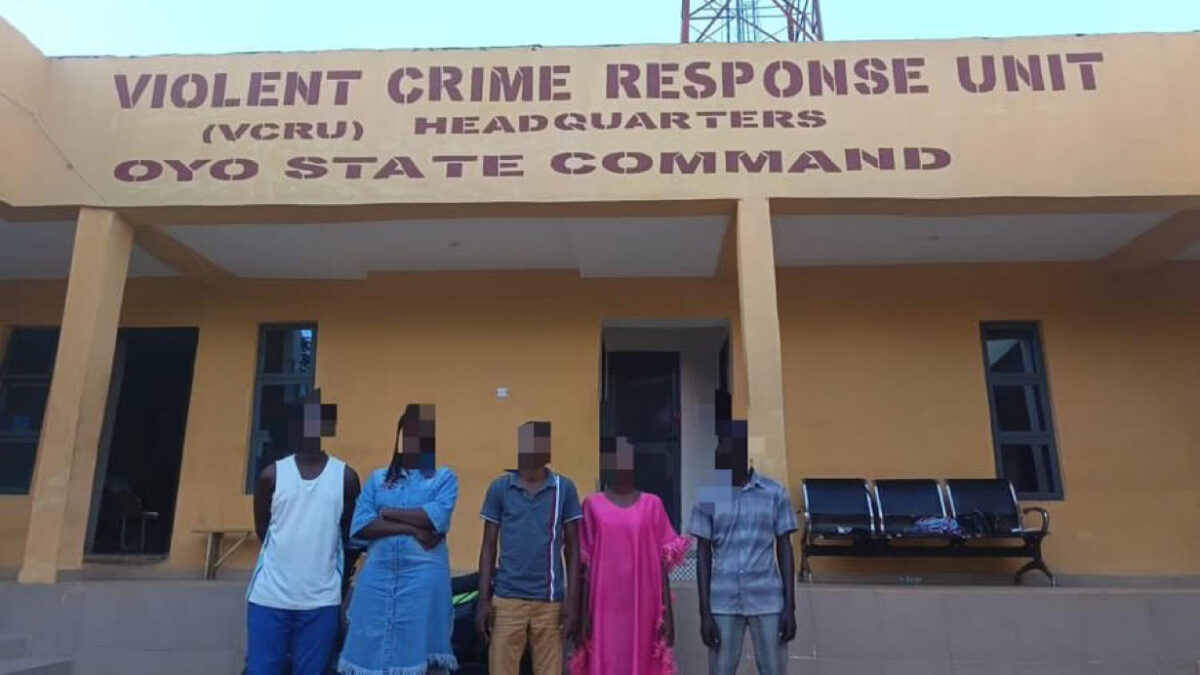
Human Trafficking: Police rescue Congolese nationals in Oyo
Mr Olayinka said the suspect was not found at the hotel during the operation.
Heading 5
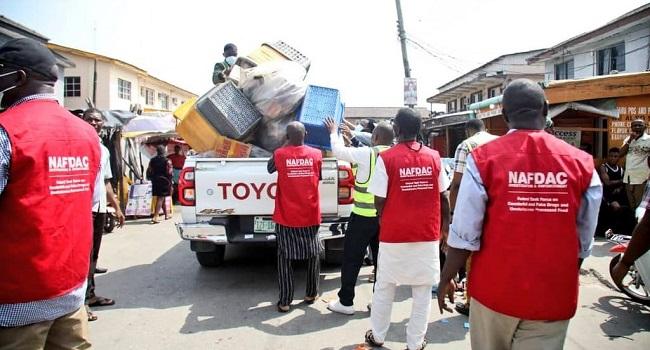
NAFDAC raids Aba market, seizes fake packaging materials worth N200 million
NAFDAC stated that an invitation had been extended to the market union chairman.

States
Osun police nab man for allegedly defiling 15-year-old girl
Mr Ojelabi explained that the suspect used his closeness to the family to perpetrate the act.
States
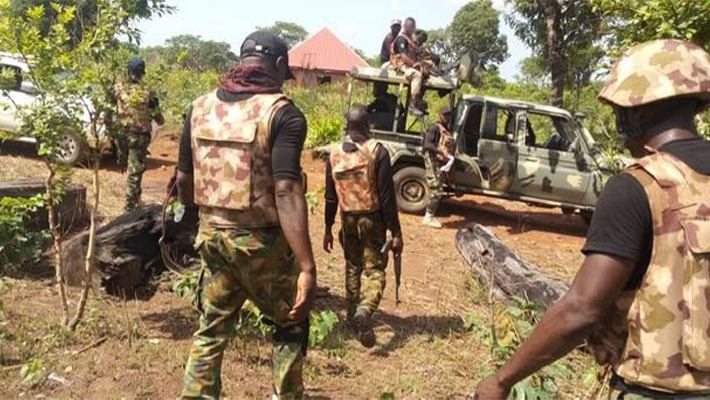
Troops nab five ISWAP collaborators, rescue kidnap victim
The report that the suspects and recovered items were in military custody for further investigation.


