

Nigeria on top 10 list of world’s most neglected crises
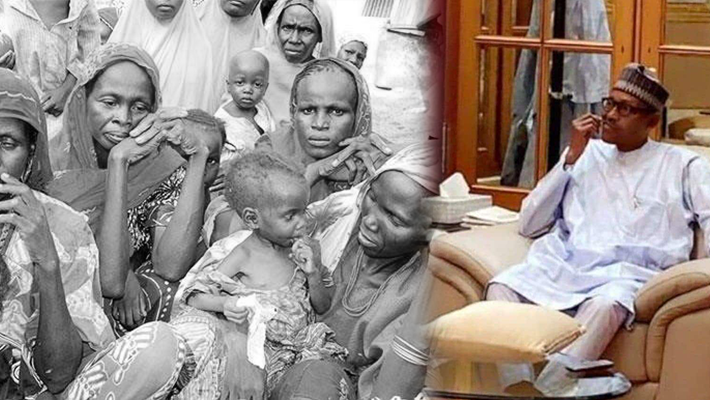
Nigeria is on the top 10 list of the world’s most neglected crises, says the Norwegian Refugee Council, as the country continues to witness wanton violence and destruction of lives and property, forcing many to flee their homes.
In its latest release made available to Peoples Gazette on Thursday, Nigeria is placed sixth globally.
The NRC report focused on the most neglected displacement crises in the world, explaining why the countries on the list are failing to get the support they need.
African countries dominated the list with the DRC in the first place, then Cameroon, Burundi, Venezuela, Honduras, Nigeria, Burkina Faso, Ethiopia, the Central African Republic, and Mali.
“A lethal combination of spiralling violence, record hunger levels, and total neglect has ignited a mega-crisis that warrants a mega-response. But instead, millions of families on the brink of the abyss seem to be forgotten by the outside world and are left shut off from any support lifeline,” said Secretary-General of NRC, Jan Egeland, who launched the report from Goma, eastern DR Congo.
The NRC report attributed the worsening humanitarian situation to the onset of the COVID-19 pandemic, leaving millions of people already struggling to survive in neglected crises to fall even further behind.
The report based its analysis on three factors: lack of funding, lack of media attention, lack of political and diplomatic initiatives by the international community.
Nigeria is plagued by armed conflict in the North-East, marked by constant attacks and raids by extremist groups such as Boko Haram and ISWAP. In other parts of the region, vicious bandits are ravaging communities, kidnapping people, especially schoolchildren, for ransom.
These attacks have led to mass displacement of residents in the North, resulting in relief organisations unable to access people in need or staying away to prevent being caught in the ongoing violence.
The United Nations High Commissioner for Refugees stated that since violent attacks of Boko Haram started, over 3.2 million people had been displaced, including over 2.9 million internally displaced persons in the North-East, with the conflict spilling over into neighbouring countries.

We have recently deactivated our website's comment provider in favour of other channels of distribution and commentary. We encourage you to join the conversation on our stories via our Facebook, Twitter and other social media pages.

More from Peoples Gazette

States
Independence: NBA urges Nigerians to expect better future
The NBA said that ordinary Nigerians should be deriving benefit from the subsidy removal rather than hardship.

Agriculture
FG tasks ECOWAS on leveraging financing strategies for agroecology
The federal government has urged stakeholders in the agriculture and finance sectors in the West Africa region to leverage financing strategies to enhance agroecology practices

Politics
Katsina youths pledge to deliver over 2 million votes to Atiku
“Katsina State is Atiku’s political base because it is his second home.”

Heading 3
UBEC begins distribution of two million packs of sanitary towels to improve school attendance
Ms Garba said the initiative was designed to address barriers to girls’ education.
States
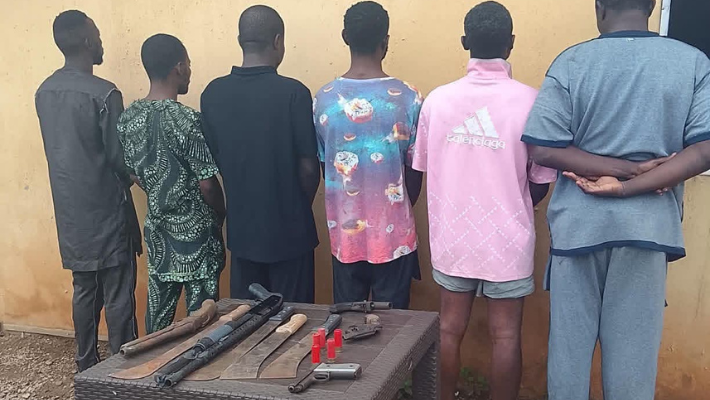
Police nab six armed robbers, recover weapons in Oyo
The police boss reaffirmed the command’s resolve to sustain intelligence-led operations against criminals.

Heading 2
FBI seizes about $17 billion, arrests hundreds in raid on Ghana Yahoo Boys enclave
The operation was described by Mr Patel on social media as part of the agency’s efforts to combat fraud.
States
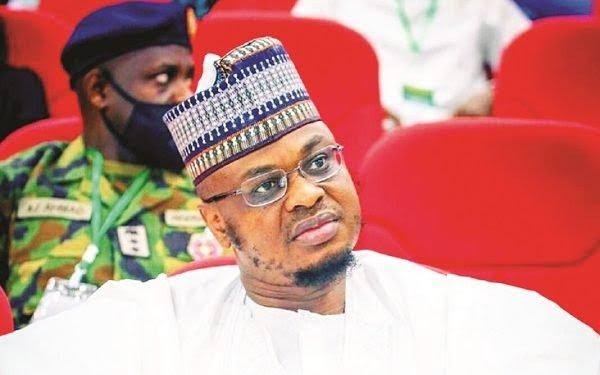
Gombe: Pantami threatens legal action over omission from INEC’s governorship list
His lawyers described the omission of Mr Pantami’s name from the governorship candidates’ list as unlawful.

Heading 5
French supermarkets hit by cyberattack, causing freezers to heat up
Reports noted that the full extent of the cyberattack remained unclear.
World
McKinsey demotes consultant over LinkedIn comments
The company distanced itself from Mr Bradley’s remarks.


