

Nigeria seeks inclusion of colonialism, exploitation in UN crimes against humanity treaty
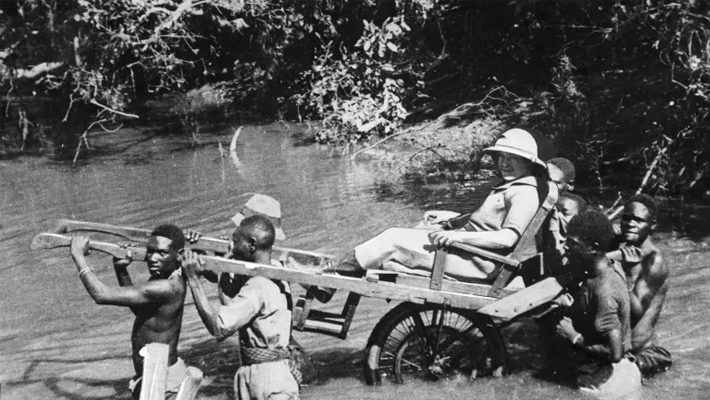
Nigeria has urged the United Nations to include colonialism, slavery, slave trading and exploitation of natural resources in a proposed international treaty on crimes against humanity.
The country made the request on Monday during the 11th plenary meeting of the UN General Assembly’s Sixth Committee, which handles legal matters.
Nigeria’s permanent representative, Jimoh Ibrahim, outlined the country’s position on negotiations towards a legally binding international convention for preventing and punishing crimes against humanity.
Represented by Emmanuel Nweke, Nigeria supported the African Group’s position but wanted additional provisions addressing historical injustices, international accountability and the responsibilities of states.
Nigeria maintained that perpetrators of crimes against humanity must be held accountable, while governments retained primary responsibility for preventing and punishing such offences.
The delegation specifically supported the African Group’s demand that slavery and the slave trade be expressly included in the proposed convention. It also reiterated Nigeria’s earlier proposal that colonialism and the exploitation of natural and mineral resources should be covered by the future treaty.
The representative recalled that the General Assembly adopted Resolution 80/250 on March 25, recognising the trafficking and racialised enslavement of Africans as the gravest crime against humanity.
The resolution, sponsored by Ghana, received 123 votes in favour, three against and 52 abstentions. Nigeria also cited the African Union’s declaration of 2026-2035 as the Decade of Justice for Africans and People of African Descent through Reparations.
The delegation argued that the proposed convention should give legal effect to these international recognitions of historical injustices.
Nigeria further called for the definition of crimes against humanity in the proposed treaty to follow Article 7 of the Rome Statute of the International Criminal Court. As a party to the Rome Statute, Nigeria maintained that the existing definition should be retained in full, including its provision concerning gender.
The representative warned that departing from the agreed Rome Statute definition could create inconsistencies between international legal instruments and weaken support for the convention.
Nigeria also drew attention to the Malabo Protocol on the Statute of the African Court of Justice and Human Rights.
It maintained that African legal experience and jurisprudence should inform negotiations on the terminology and scope of the proposed treaty. On international cooperation, Nigeria stressed that the convention must respect sovereign equality, territorial integrity and non-interference in the internal affairs of states.
The delegation called for national jurisdiction, mutual legal assistance and extradition arrangements to receive priority, consistent with applicable international law. Nigeria further argued that countries providing financial, military or other assistance to governments committing crimes against humanity should be required to discontinue such support.
It maintained that states failing to end such assistance should face accountability under provisions expressly incorporated into the proposed convention. The delegation welcomed preparations for the second session of the treaty’s Preparatory Committee, scheduled for April 12-15, 2027, at UN Headquarters in New York.
Nigeria reaffirmed its commitment to constructive negotiations ahead of diplomatic conferences scheduled for 2028 and 2029, seeking a balanced convention commanding broad international support.
(NAN)

We have recently deactivated our website's comment provider in favour of other channels of distribution and commentary. We encourage you to join the conversation on our stories via our Facebook, Twitter and other social media pages.

More from Peoples Gazette

States
Independence: NBA urges Nigerians to expect better future
The NBA said that ordinary Nigerians should be deriving benefit from the subsidy removal rather than hardship.

Agriculture
FG tasks ECOWAS on leveraging financing strategies for agroecology
The federal government has urged stakeholders in the agriculture and finance sectors in the West Africa region to leverage financing strategies to enhance agroecology practices

Politics
Katsina youths pledge to deliver over 2 million votes to Atiku
“Katsina State is Atiku’s political base because it is his second home.”
Economy
Africa needs $125 billion refining investment from 2026 to 2050: OPEC
OPEC says Africa needs a minimum of $125 billion in refining investment between now and 2050 to fund current and future projects.
Politics
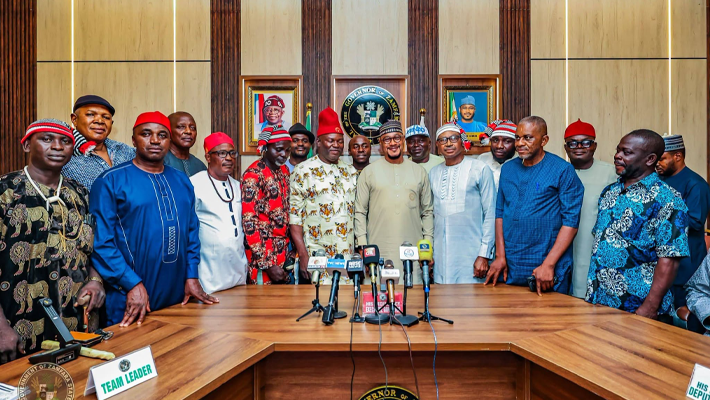
Igbo community in Zamfara endorses Gov Lawal re-election
The Igbo Community Association in Zamfara has endorsed Governor Dauda Lawal for the 2027 re-election bid.

Economy
Gas exporting countries forum forecasts 20% growth in global energy demand by 2055
Global energy demand is projected to increase by 20% by 2055, rising from 641 exajoules in 2024 to 768 EJ, driven by economic and population growth.

Economy
Senegal opens 104 blocks to investors target new upstream contacts
Senegal has made 104 oil and gas blocks available to investors and is seeking new upstream contracts to boost exploration and production.

Showbiz
Artistes celebrate Fela’s posthumous birthday at Felabration
During his lifetime, Fela was imprisoned several times, largely due to his confrontations with the Nigerian authorities.
Economy
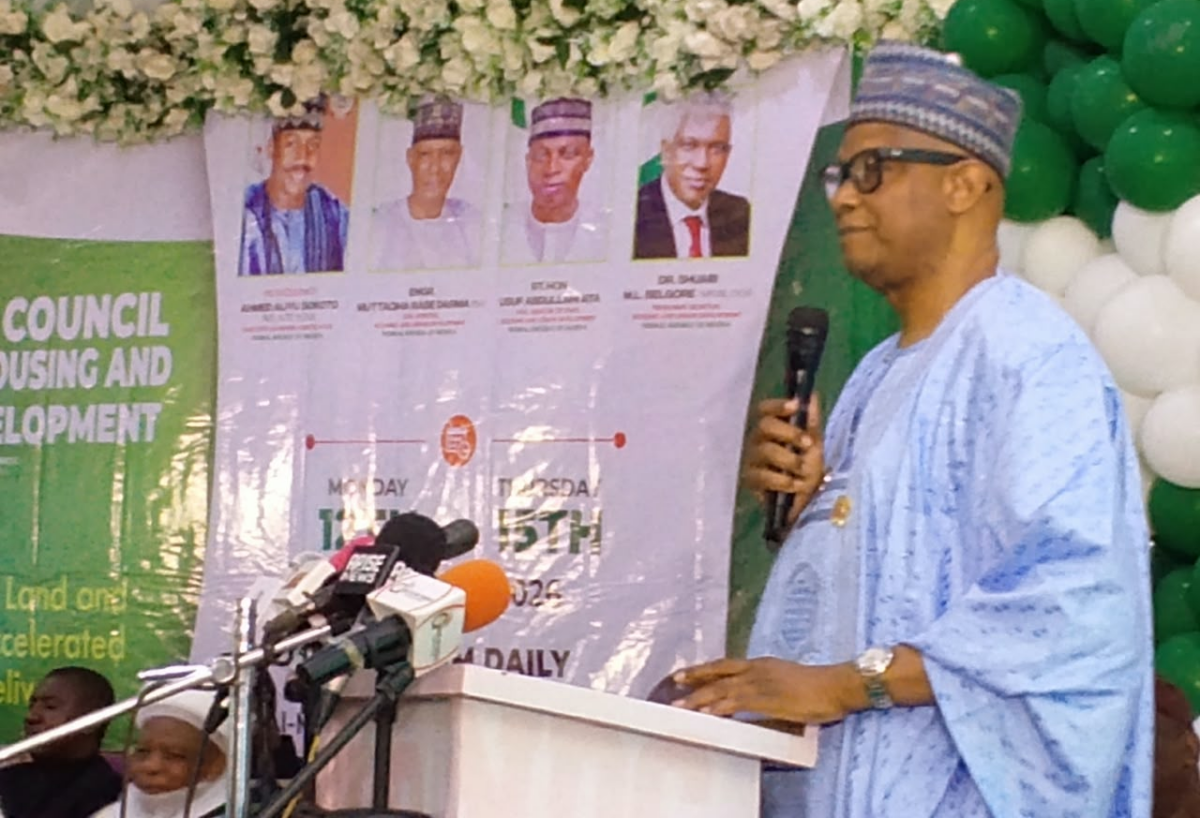
FG plans N85 million mortgage limit, 40% allocation for informal workers
The federal government is proposing to increase the maximum mortgage loan from N50 million to N85 million to improve access to homeownership.


