

Nigeria warns against abuse of universal jurisdiction, demands safeguards at UN
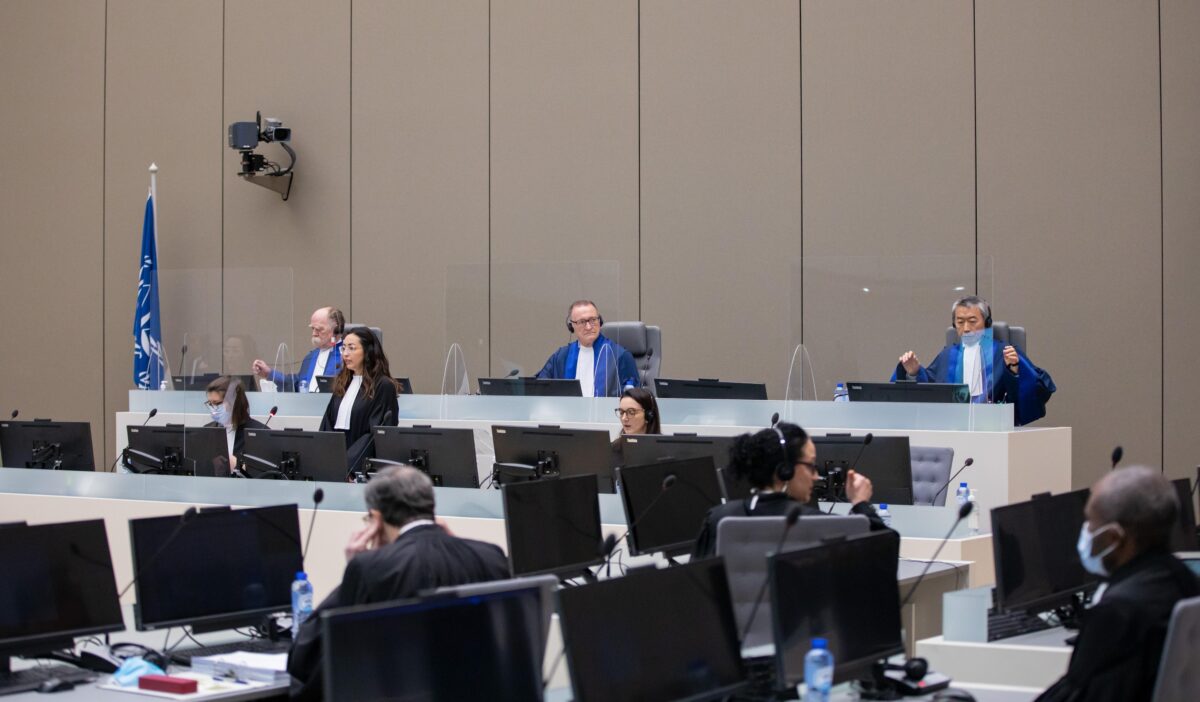
Nigeria has warned against the selective use of universal jurisdiction, urging the United Nations to establish safeguards to prevent powerful countries from exploiting international criminal justice mechanisms.
The warning came during Nigeria’s national intervention at the plenary meeting of the UN General Assembly’s Sixth Committee on Thursday at the UN headquarters in New York. The committee was considering the scope and application of universal jurisdiction, a legal principle allowing certain serious international crimes to be prosecuted beyond national borders.
Nigeria reaffirmed its commitment to combating impunity but insisted that universal jurisdiction must remain an exceptional mechanism exercised within clearly defined international legal limits.
The Nigerian representative, Emmanuel Nweke, said the principle should be invoked only as a last resort, particularly where countries directly connected to alleged crimes cannot prosecute them. The delegation warned that stronger countries must not use universal jurisdiction to impose their domestic legal systems on weaker nations.
It expressed concern about the selective or politically motivated application of the principle, particularly in cases involving African officials.
According to Nigeria, such practices undermine the legitimacy of international criminal justice and weaken confidence in cooperation between sovereign states. The delegation recalled concerns that prompted African countries to seek to include universal jurisdiction on the General Assembly’s agenda.
It maintained that the unresolved questions surrounding the principle’s scope and application required internationally agreed safeguards.
Nigeria identified several conditions it considered necessary to prevent abuse while preserving accountability for serious international crimes. First, it proposed restricting universal jurisdiction to the gravest crimes whose international character is clearly established by treaties or customary international law.
It argued that individual countries should not unilaterally expand the categories of offences subject to the principle.
Second, Nigeria proposed that a third country should exercise jurisdiction only where the territorial state or country of nationality is unable or unwilling to prosecute. The delegation also called for prior consultation with the country directly connected to the alleged offence.
Third, it maintained that an accused person should be present within the prosecuting country’s territory before universal jurisdiction is exercised.
Nigeria further opposed trials conducted in the absence of accused persons and advocated safeguards against politically motivated prosecutions. It proposed that decisions to initiate proceedings should rest with the highest prosecutorial authorities, subject to due process and fair-trial guarantees.
The delegation also emphasised the importance of distinguishing universal jurisdiction from extradition obligations and the jurisdiction of international courts.
Nigeria cited its Constitution, Geneva Conventions Act, terrorism legislation and mutual legal assistance arrangements as components of its domestic accountability framework.
As a party to the Rome Statute, Nigeria reaffirmed its support for complementarity, under which national authorities retain primary responsibility for investigating and prosecuting crimes. Nigeria restated that combating impunity must remain consistent with sovereign equality, international cooperation and respect for established legal procedures.
(NAN)

We have recently deactivated our website's comment provider in favour of other channels of distribution and commentary. We encourage you to join the conversation on our stories via our Facebook, Twitter and other social media pages.

More from Peoples Gazette

States
Independence: NBA urges Nigerians to expect better future
The NBA said that ordinary Nigerians should be deriving benefit from the subsidy removal rather than hardship.

Agriculture
FG tasks ECOWAS on leveraging financing strategies for agroecology
The federal government has urged stakeholders in the agriculture and finance sectors in the West Africa region to leverage financing strategies to enhance agroecology practices

Politics
Katsina youths pledge to deliver over 2 million votes to Atiku
“Katsina State is Atiku’s political base because it is his second home.”
Anti-Corruption
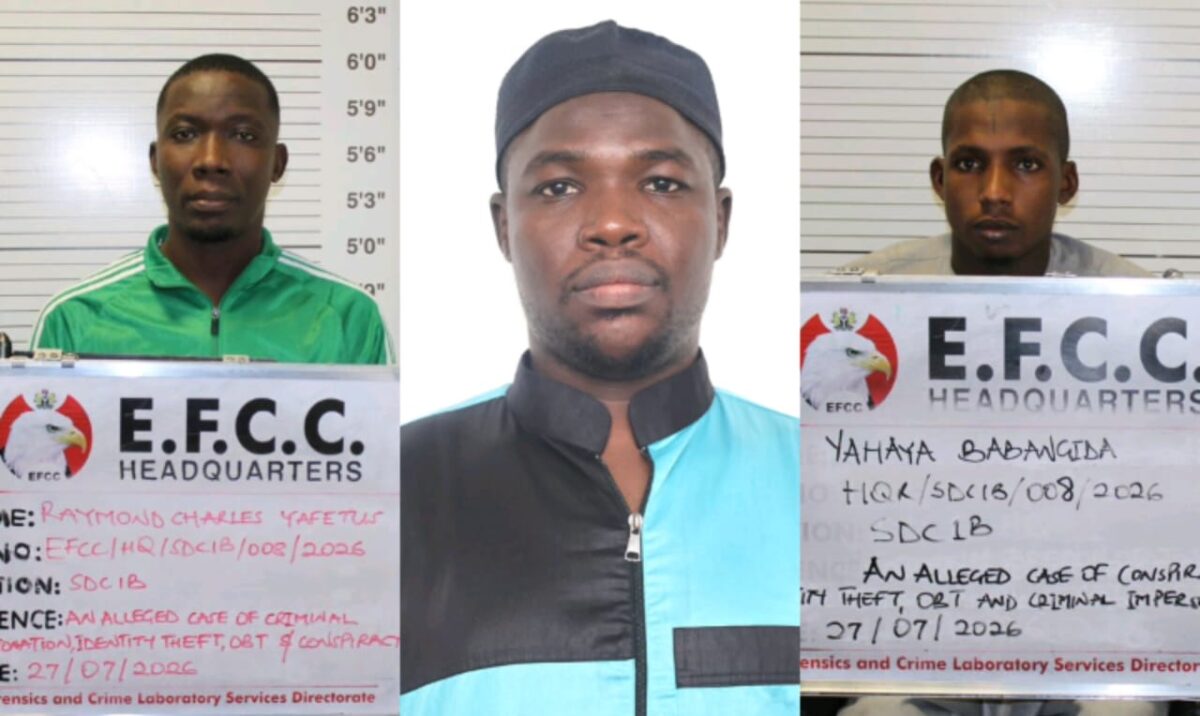
Three suspects on trial for impersonating Tunde Ednut in N18 million fraud
EFCC arraigned Raymond Charles Yafetus, Auwal Ibrahim and Babangida Ibrahim, over alleged impersonation of popular Nigerian influencer Tunde Adekunle, aka Tunde Ednut.

Politics
Friends of Tinubu Reforms appoint Idris as grand patron
A political group, Friends of Tinubu Reforms, has appointed information minister Mohammed Idris as its grand patron.

World
Elon Musk unveils new Tesla Roadster with flight function
Billionaire Elon Musk’s Tesla has unveiled its next-generation Roadster, featuring flight capabilities, nearly nine years after the businessman first announced the concept in 2017.
Faith
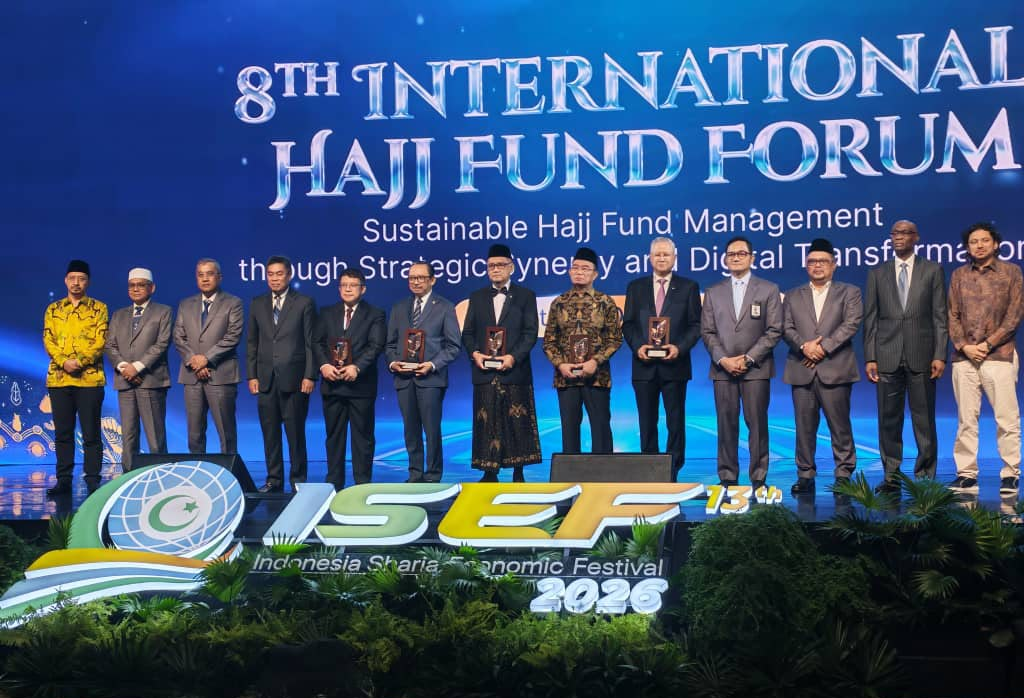
NAHCON seeks inter-agency, global partnerships for sustainable hajj financing
The National Hajj Commission of Nigeria has called for stronger inter-agency collaboration and digital reforms to protect Hajj funds against global financial volatility.
Abuja
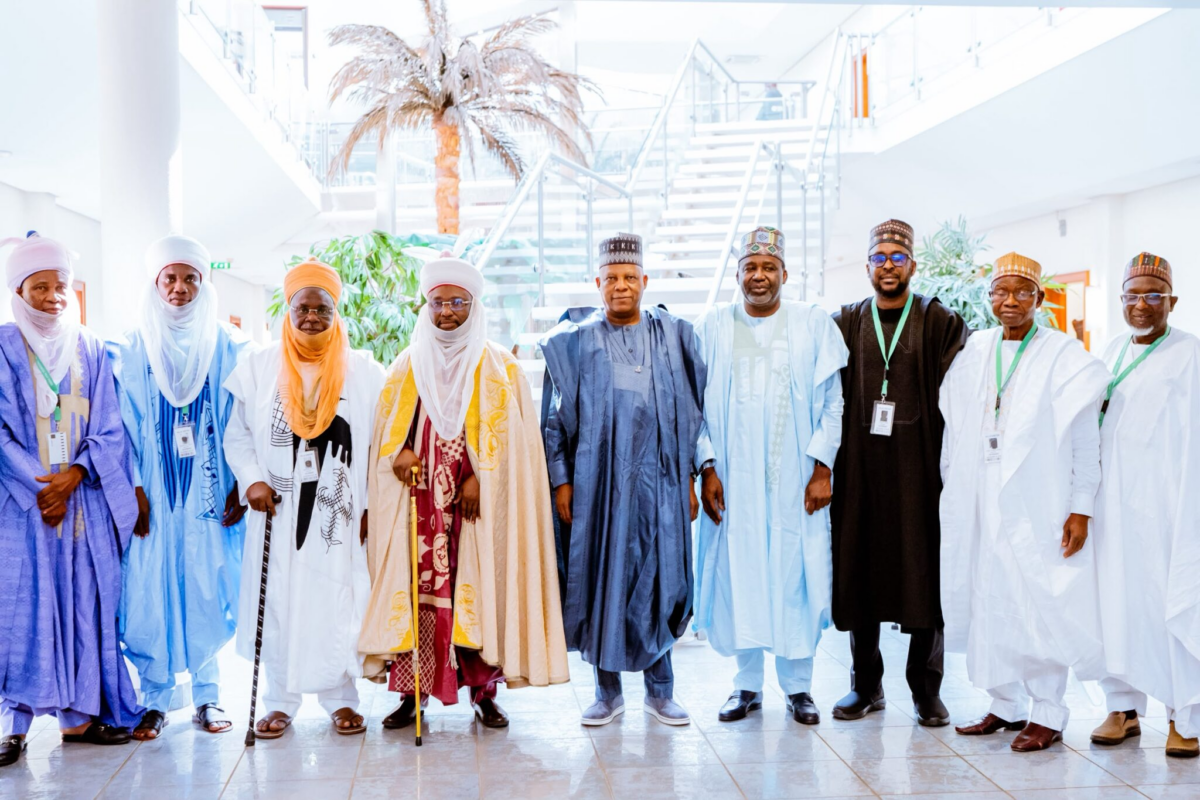
Shettima reaffirms Tinubu govt’s support for traditional rulers
Mr Shettima reaffirmed President Bola Tinubu’s commitment to supporting traditional rulers as partners in promoting national security, unity and economic development.


