

Nigeria will have 30 gigawatts of energy by 2030: Buhari
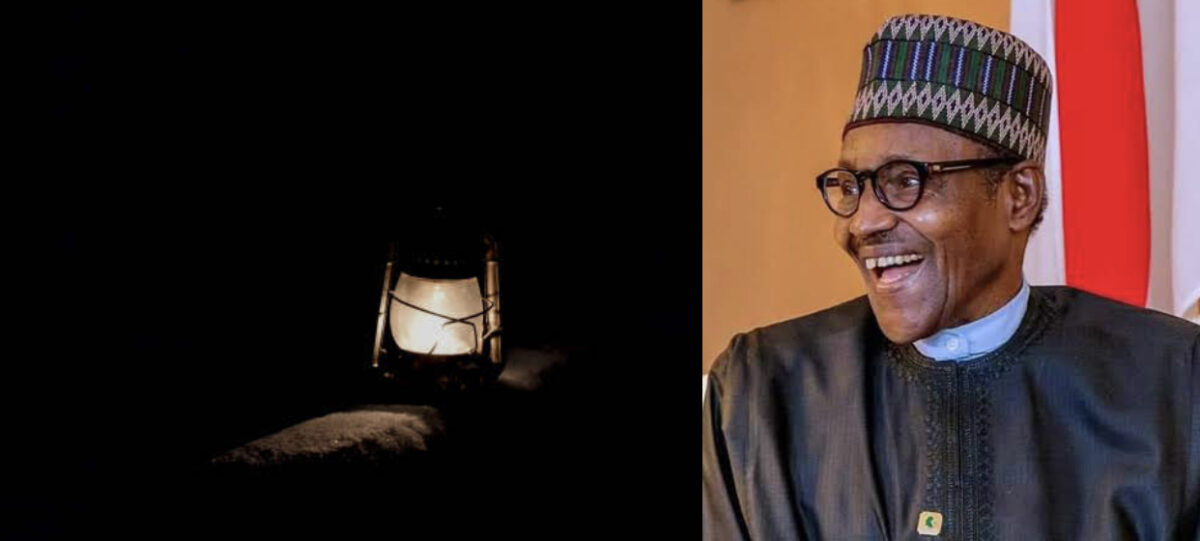
President Muhammadu Buhari says his regime is determined to ensure that Nigeria achieves the vision of 30 gigawatts of energy by 2030.
Mr Buhari made the pledge at a discussion panel on Just Energy Transition at the ongoing U.S.-Africa Leaders Summit in Washington.
He used the opportunity to outline the comprehensive Energy Transition Plan unfolded by his administration in response to the issues associated with climate change.
According to him, as part of the National Renewable Energy and Energy Efficiency Policy, Nigeria set the vision 30:30:30, which aims at achieving 30GW of electricity by 2030, with renewable energy contributing 30 per cent of the energy mix.
“In 2021, Nigeria became the first African country to develop a detailed Energy Transition Plan to tackle both energy poverty and climate change, and deliver Sustainable Development Goals (SDGs) 7 by 2030 and net-zero by 2060,” stated the Nigerian leader. “Our Federal Executive Council approved the plan earlier this year and adopted it as a national policy.”
Mr Buhari told the summit about Nigeria’s plans to eliminate the use of petrol and diesel generators by 2060, noting that the Energy Transition Plan requires that 5.3GW of solar be deployed annually until 2060 to achieve “our targets.”
He added, “Our aggressive power sector reforms have resulted in cost-reflective tariffs in the power sector for the first time since privatisation. Under the Nigeria Electrification Project, over four million people have been impacted through solar mini-grids and solar stand-alone systems.”
Mr Buhari told the summit that his regime was about completing the Zungeru hydropower project, expected to add 700MW to the national power grid, calling for financial and technical support to achieve the desired results.
“For instance, our analysis shows that delivering the Energy Transition Plan requires $1.9 trillion spending up to 2060, including $410 billion above business-as-usual spending. This additional financing requirement translates to a $10 billion investment needed per annum,” said Mr Buhari.
He also disclosed that between 2000 and 2020, “just $3 billion per year” was invested in renewable energy in the whole of Africa.
“Consequently,” Mr Buhari explained, “the $10 billion per year target of our Energy Transition Plan represents a significant scaling of current investment flows, and we need support from the U.S. to mobilise the needed resources.”
(NAN)

We have recently deactivated our website's comment provider in favour of other channels of distribution and commentary. We encourage you to join the conversation on our stories via our Facebook, Twitter and other social media pages.

More from Peoples Gazette

Agriculture
FG tasks ECOWAS on leveraging financing strategies for agroecology
The federal government has urged stakeholders in the agriculture and finance sectors in the West Africa region to leverage financing strategies to enhance agroecology practices

Politics
Katsina youths pledge to deliver over 2 million votes to Atiku
“Katsina State is Atiku’s political base because it is his second home.”
Heading 1
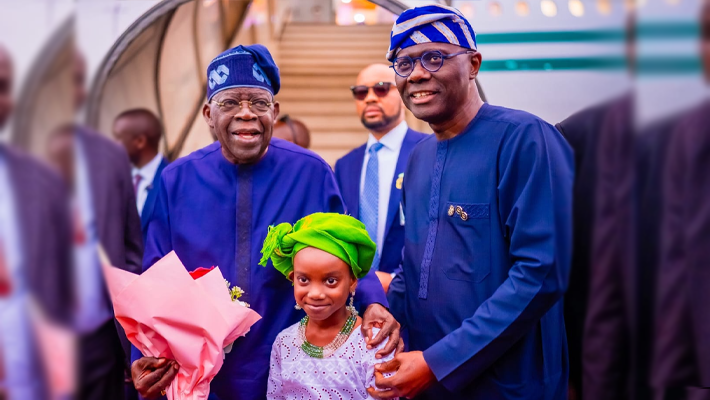
I enjoyed myself in Europe; I’m back, healthy, fit for work: Tinubu
“I am back. Ready to kick. Ready to work,” Mr Tinubu said.

Heading 2
Tennessee to execute woman for first time in 200 years over killing of classmate
Ms Pike was convicted of first-degree murder in 1996 and was sentenced to death, becoming the youngest woman ever to be placed on death row.
Africa
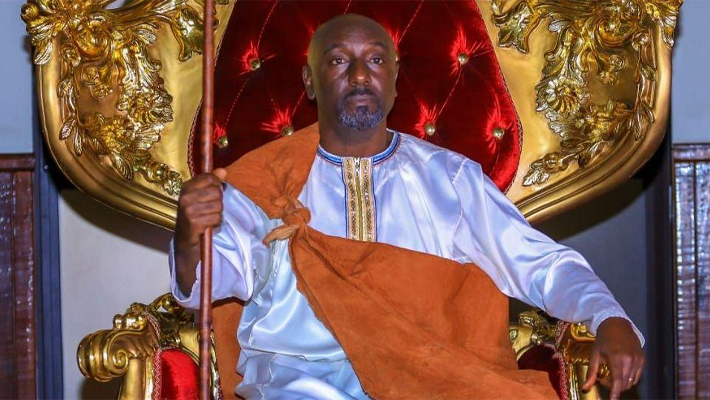
Ugandan broadcaster crowned king of Tooro kingdom
A 21-member committee from the royal Babiito clan selected Mr Kijanangoma, who is Oyo Nyimba’s cousin.

States
Jigawa govt approves N1.4 billion to upgrade community radio stations
Commissioner for Information, Youths, Sports and Culture Sagir Musa said the projects would expand broadcasting coverage and improve transmission quality.
NationWide
Tinubu transmits bill seeking to establish national research council
He explained that the bill seeks to bring fragmented research and development funds across MDAs under a central National Research Development Fund.

Heading 3
Atiku tells Tinubu to publicise signed health deal with U.S. after Ghana rejected proposal over privacy, sovereignty concerns
“At this point, Nigerians do not know whether the provisions Ghana rejected are in the agreement Tinubu signed,” Mr Abubakar said.


