

Nigerian judge Inyang Ekwo authors book on insolvency, bankruptcy laws

Justice Inyang Ekwo has unveiled a book titled ‘Insolvency, Bankruptcy Laws and Practice in Nigeria’, a publication that provides a comprehensive examination of Nigeria’s insolvency and bankruptcy framework. Mr Ekwo described the publication as one of the most comprehensive works on insolvency and bankruptcy practice in Nigeria.
The judge said the publication provided an extensive examination of Nigeria’s evolving insolvency framework, covering corporate restructuring, debt recovery, bankruptcy procedures, liquidation, receivership, mergers and acquisitions, company voluntary arrangements, and banking-sector insolvency.
The book offers practical guidance and scholarly analysis for legal and financial practitioners.
“The book draws from key legislations, including the Companies and Allied Matters Act 2020 (CAMA 2020), the Bankruptcy Act, banking regulations, deposit insurance laws, credit reporting systems and secured transactions frameworks,” Mr Ekwo said.
The book is structured into 21 chapters that combine judicial insight with academic depth, reflecting his experience as a judge of the Federal High Court.
“The publication also incorporates comparative perspectives from other Commonwealth jurisdictions while remaining rooted in Nigeria’s legal system,” he said.
Mr Ekwo noted that one major strength of the book was its ability to simplify technical areas of insolvency law without compromising analytical depth. According to him, the publication is accessible to judges, lawyers, regulators, bankers, accountants, enforcement agencies, academics and students.
“The book is the first fully comprehensive textbook devoted exclusively to insolvency and bankruptcy laws and practice in Nigeria,” he said.
Legal pundits believe the publication will shape discussions on financial regulation, corporate rescue, and business restructuring in Nigeria, especially amid increasing economic pressures on businesses and financial institutions nationwide.
Insolvency is a financial situation in which a person, company, or organisation is unable to pay its debts when they are due. It occurs when liabilities exceed available funds or assets, or when cash flow is insufficient to meet financial obligations.
(NAN)

We have recently deactivated our website's comment provider in favour of other channels of distribution and commentary. We encourage you to join the conversation on our stories via our Facebook, Twitter and other social media pages.

More from Peoples Gazette

States
Independence: NBA urges Nigerians to expect better future
The NBA said that ordinary Nigerians should be deriving benefit from the subsidy removal rather than hardship.

Agriculture
FG tasks ECOWAS on leveraging financing strategies for agroecology
The federal government has urged stakeholders in the agriculture and finance sectors in the West Africa region to leverage financing strategies to enhance agroecology practices

Politics
Katsina youths pledge to deliver over 2 million votes to Atiku
“Katsina State is Atiku’s political base because it is his second home.”
States
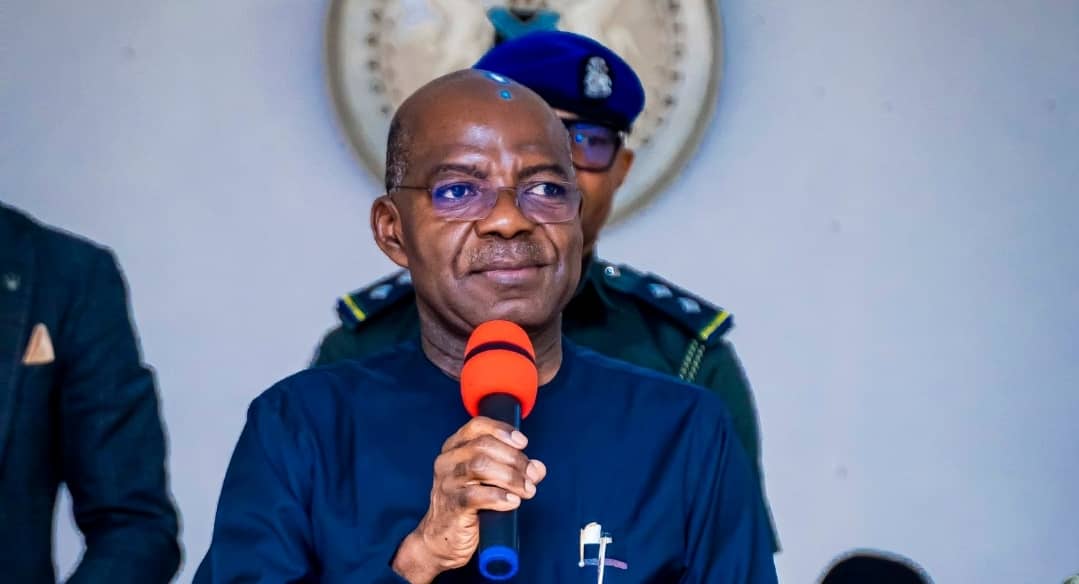
Otti advises Abia residents to reject election-season politicians’ promises
The bishop thanked God for giving Abia the opportunity to be governed by Mr Otti.

Heading 3
NiMet predicts three-day rain, sunshine nationwide from Monday
The agency also predicted cloudy skies with intervals of sunshine across the southern region.
States
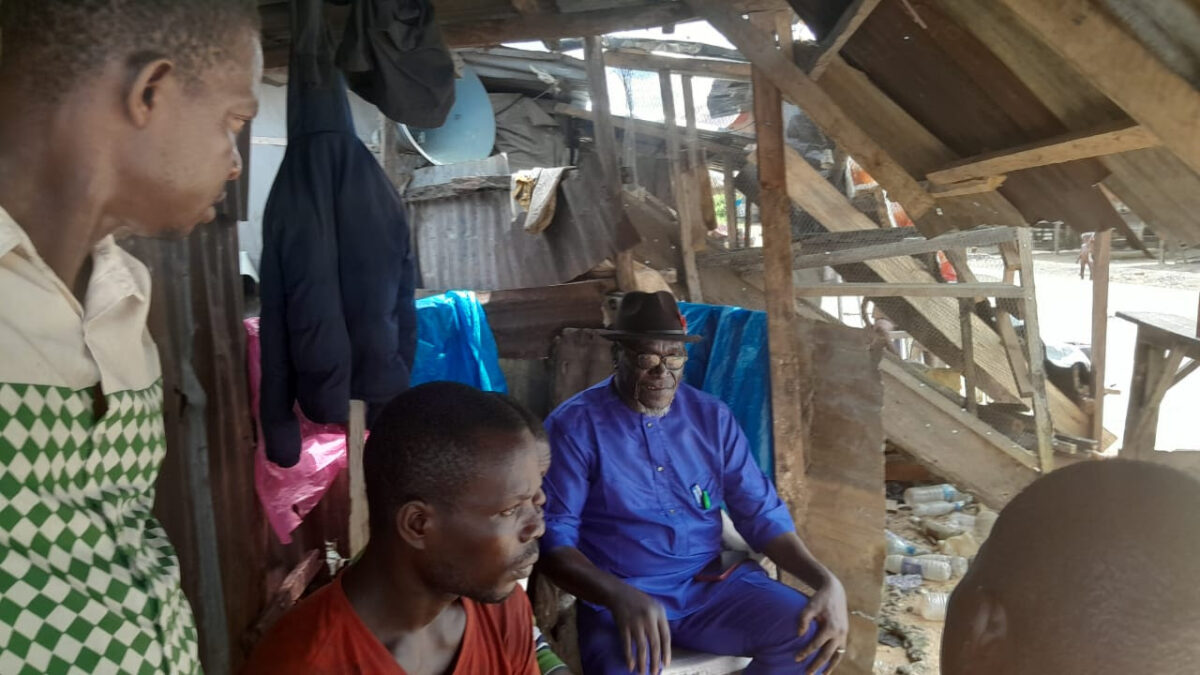
Environmentalists seek probe into Bayelsa, Rivers tremors
A fruit seller, Benita Douglas, said the vibration broke another trader’s table.

States
Coalition urges investment in girls’ education to end child marriage
Mr Ibn-Attahir said keeping girls in school was essential to ending child marriage.

Hot news Home top
FG condemns Houthi attack on Saudi Arabia’s airport, urges restraint
The ministry stressed the need to respect Saudi Arabia’s sovereignty and territorial integrity.

States
PDP governorship candidate vows free shops for traders affected by Enugu market demolition
Mr Nnaji described trading as an integral part of the people’s economic and social life.


