

Nigerian youths more politically active online than in real life, study reveals

A Nigerian researcher, James Ojo, says many Nigerian youths have poor knowledge of their political leaders. Mr Ojo disclosed this on Thursday while speaking on his findings in a study titled ‘Comparative Analysis of Online Advocacy for Good Governance and Actual Political Involvement among Nigerian Youths’.
He said that the article was published by the International Journal of Sub-Saharan African Research on December 31, 2025.
According to him, data for the study were gathered from 385 youths across Nigeria using a structured questionnaire distributed via social media platforms.
“Further findings by the study showed that Nigerian youths are actively engaged in online political discussions on good governance, with over half (51.2 per cent ) doing so daily, mainly on WhatsApp, followed by Facebook and X.
“Offline political participation was generally low, as over half (50.1 per cent) had never voted, protested, or attended political rallies,” stated the researcher.
Mr Ojo said that among those who had participated offline, engagement was irregular, with most doing so only occasionally, while the majority had not joined political parties or attended political training.
“Beyond online advocacy for good governance, the youth need to actively engage in offline political activities to drive real reforms in Nigeria. There is nothing wrong with online advocacy, but that alone will not bring about good governance in the country.
“The youth must participate actively in offline political activities, such as voting, attending political rallies, and engaging in genuine protests, among others,” the researcher said.
Mr Ojo said the study identified fear of violence as the main barrier to offline participation, followed by lack of interest and distrust in the electoral body, with most youths reporting that they felt unsafe engaging in offline political activities.
He said that, despite these challenges, the study identified several positive indicators.
According to him, findings show that offline participation among the youth is largely motivated by the desire to promote good governance (69.7 per cent), personal civic beliefs, and dissatisfaction with government policies.
The researcher also found that most youths who had participated in offline political activities held PVCs, had attended rallies or protests, and had previously voted, including in the most recent elections.
“The study also established that improved security, greater transparency, electoral credibility, and reduced corruption would encourage greater participation.
“A strong majority (84.2 per cent) expressed willingness to be more active in offline political activities if these concerns were addressed,” he said
(NAN)

We have recently deactivated our website's comment provider in favour of other channels of distribution and commentary. We encourage you to join the conversation on our stories via our Facebook, Twitter and other social media pages.

More from Peoples Gazette

States
Independence: NBA urges Nigerians to expect better future
The NBA said that ordinary Nigerians should be deriving benefit from the subsidy removal rather than hardship.

Agriculture
FG tasks ECOWAS on leveraging financing strategies for agroecology
The federal government has urged stakeholders in the agriculture and finance sectors in the West Africa region to leverage financing strategies to enhance agroecology practices

Politics
Katsina youths pledge to deliver over 2 million votes to Atiku
“Katsina State is Atiku’s political base because it is his second home.”

Hot news Home top
Atiku condemns attack on Edo comedian for refusing to support Tinubu
Mr Abubakar called on security agencies to investigate the attack on Porkupyne.

Hot news Home top
Wike mocks Obi as ‘president of social media’, says he’s unfit to rule Nigeria
Mr Wike said Mr Obi lacks the capacity and experience to govern Nigeria.

Heading 1
U.S. updates travel advisory for 14 Middle East countries
The countries placed in Level 3 are Bahrain, Oman, the United Arab Emirates, and Jordan, “due to terrorism and armed conflict”.
Heading 1
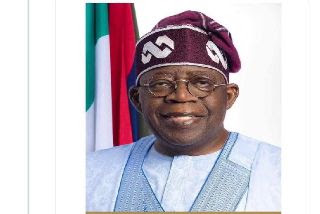
Nigerians must re-elect me in 2027; it is not matter of hunger, anger: Tinubu
Mr Tinubu, at his presidential campaign flag-off in Kaduna, berated the opposition as failures who have nothing to offer Nigerians.
Politics
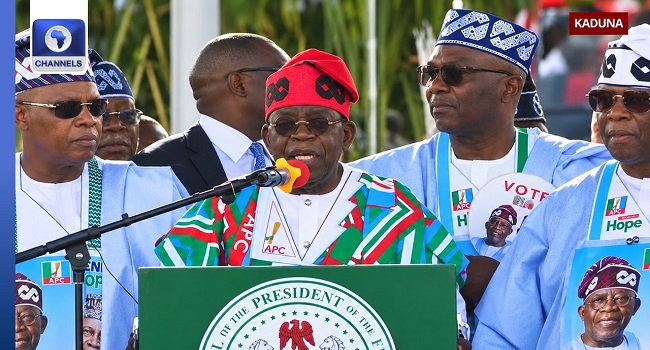
Campaign Flag-Off: Tinubu shuts down Kaduna
Mr Tinubu urged Nigerians to support his re-election, promising to sustain efforts towards economic recovery, prosperity and a better future for the youth.
Politics
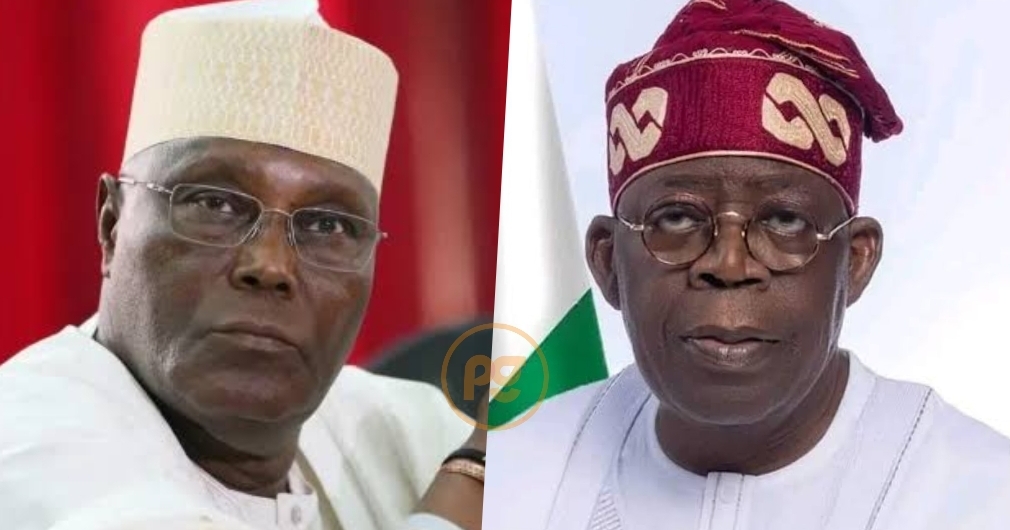
You are delusional for blaming opposition for your failure, inhumane policies, Atiku replies
Mr Abubakar said, “A president cannot light the fire of hardship with his own policies, then blame the neighbours for the smoke.”


