

Nigerians call for six-year rotational presidency amid Democracy Day celebration

A cross-section of Nigerians from civil society, the media, and the civil service have called for a single six-year tenure and a rotational system of government to improve Nigeria’s democracy.
The respondents, who spoke in separate interviews on Wednesday, said that unless the country reviewed its system of governance, democracy’s dividends would continue to elude Nigerians.
Uche Nnorom, a Makurdi-based Journalist, said wrong leadership and bad governance had continued to be the bane of Nigeria’s underdevelopment.
According to Nnorom, leaders would be challenged to provide good leadership within six years and leave the stage for others because second-term tenure often leads to compromise and corrupt tendencies.
He said they would have enough time to concentrate on governance and would not be forced to follow the lead of hungry politicians whom they would trust to help them realise their second-term ambitions.
He said it was unfortunate that Nigerian leaders had continued to be insensitive to their people’s needs and yearnings over the years.
“They contest with selfish motives, and to achieve their goals, they always have to collude with INEC (Independent National Electoral Commission) and the judiciary,’’ he said.
Mr Nnorom, therefore, urged leaders to ensure transparency, fairness, and justice in leadership and to put measures in place to cushion the effects of any economic policies they might formulate in the overall interest of the citizens.
Civil society activist Steve Aluko called on the government at all levels to strengthen democracy in Nigeria by prioritising good governance, transparency, and accountability, tackling corruption, and promoting the rule of law.
Mr Aluko, the director of the Civil Liberties Organisation in Jos, said the legislature, judiciary and executive arms of government had all failed Nigerians.
According to him, the legislature has not passed any bill that will benefit the common man since 1999, such as the bill to make local governments autonomous.
He further said that most of the bills passed by legislators fell short of the masses’ expectations. Mr Aluko also berated the governors for failing to conduct LG elections in their states, which he described as contrary to democratic principles.
Mr Aluko also accused INEC, which he said should be critical in ensuring an unbiased democratic process, of being compromised repeatedly. In the same vein, the activist said the judiciary had also done more harm than dispensing justice, as most of the progressive judgments judges passed were reversed.
He urged the judiciary to work towards redeeming its image as Nigerians had lost confidence in the courts because the culture of impunity had taken over the justice process.
On the part of the executive, Mr Aluko called on the government to ensure citizens were provided with basic social needs, particularly in the area of protecting lives and properties, as insecurity in the country had heightened in the last 25 years.
The decisions of INEC and the judiciary had marred others who aired their views on Nigeria’s 25 years of democracy. They blamed the two bodies for government failures in delivering democracy dividends to Nigerians.
Attah Edeh said INEC and the judiciary had not managed Nigeria’s nascent democracy well, citing controversial results and judgments that had brought in some bad leaders and led to untold hardships for Nigerians.
Mr Edeh said, “INEC always clears unqualified candidates to contest the election, and when the electorate exercise their power by voting qualified persons, INEC will still declare the unqualified ones as winners and ask the aggrieved parties to go to court.
“It is a vicious cycle that has stagnated democracy in Nigeria for 25 good years”, Mr Edeh said.
Also, some civil servants expressed dissatisfaction with Nigeria’s democratic journey so far, especially regarding workers.
According to Stephen Yohol, civil servants’ emoluments have remained stagnant year after year, while those of politicians or public office holders have increased.
Mr Yohol said the country’s economy has also depreciated daily for the past 25 years.
Veronica Ayoosu and Joseph Bagu, for their part, said Nigerians had not derived any benefits since the country’s return to democracy in the last 25 years; instead, they had continued to face many challenges.
Ms Ayoosu and Mr Bagu said most civil servants across the country were currently finding it difficult to feed their families, and the government did not appear to do anything about it.
(NAN)

We have recently deactivated our website's comment provider in favour of other channels of distribution and commentary. We encourage you to join the conversation on our stories via our Facebook, Twitter and other social media pages.

More from Peoples Gazette

Agriculture
FG tasks ECOWAS on leveraging financing strategies for agroecology
The federal government has urged stakeholders in the agriculture and finance sectors in the West Africa region to leverage financing strategies to enhance agroecology practices

Politics
Katsina youths pledge to deliver over 2 million votes to Atiku
“Katsina State is Atiku’s political base because it is his second home.”

World
FULL LIST: 23 countries U.S. warns citizens not to visit
President Donald Trump’s administration listed 23 nations deemed too dangerous for U.S. citizens to visit.
Anti-Corruption
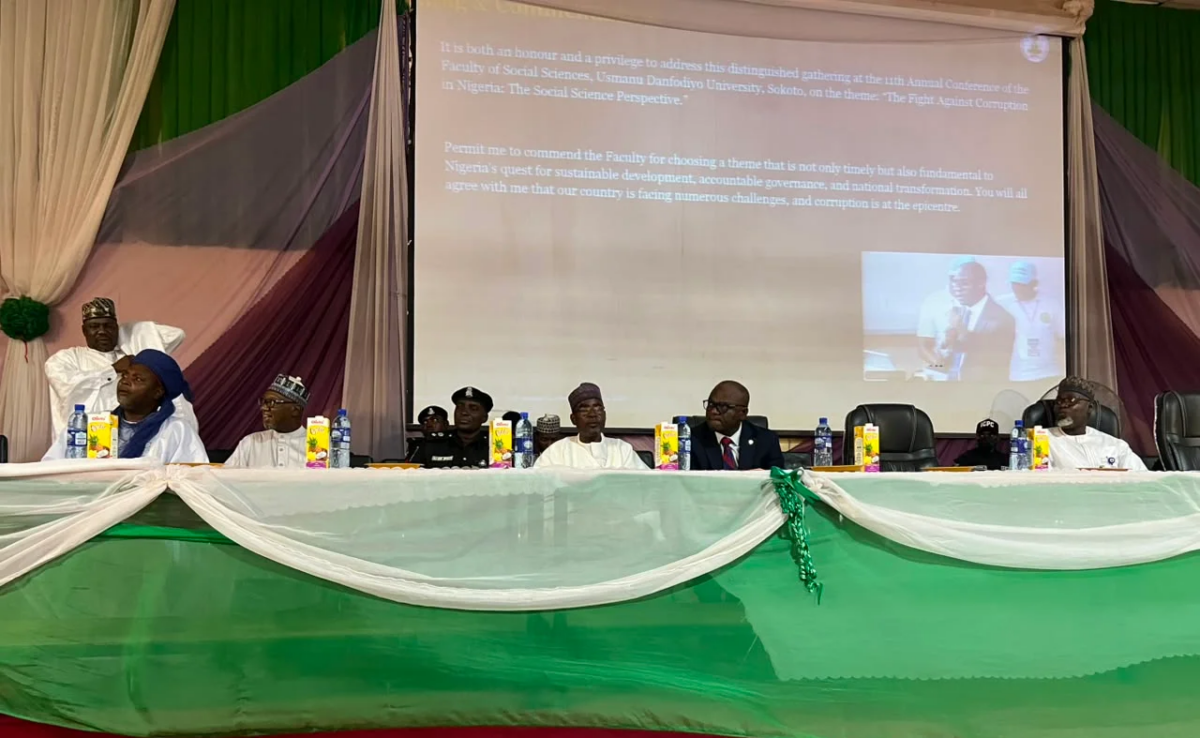
ICPC, EFCC ask scholars, students to lead Nigeria’s anti-corruption crusade
The ICPC chair has urged social science scholars and students to anchor anti-corruption crusades at all levels.
Economy
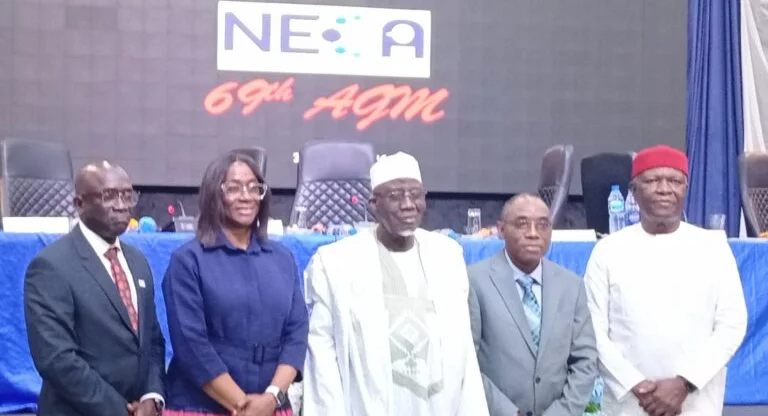
NECA urges Nigerian government to sustain reforms, tackle insecurity
The president of NECA’s governing council, Ifeanyi Okoye, gave the advice on Tuesday at the association’s 69th AGM in Lagos.
States
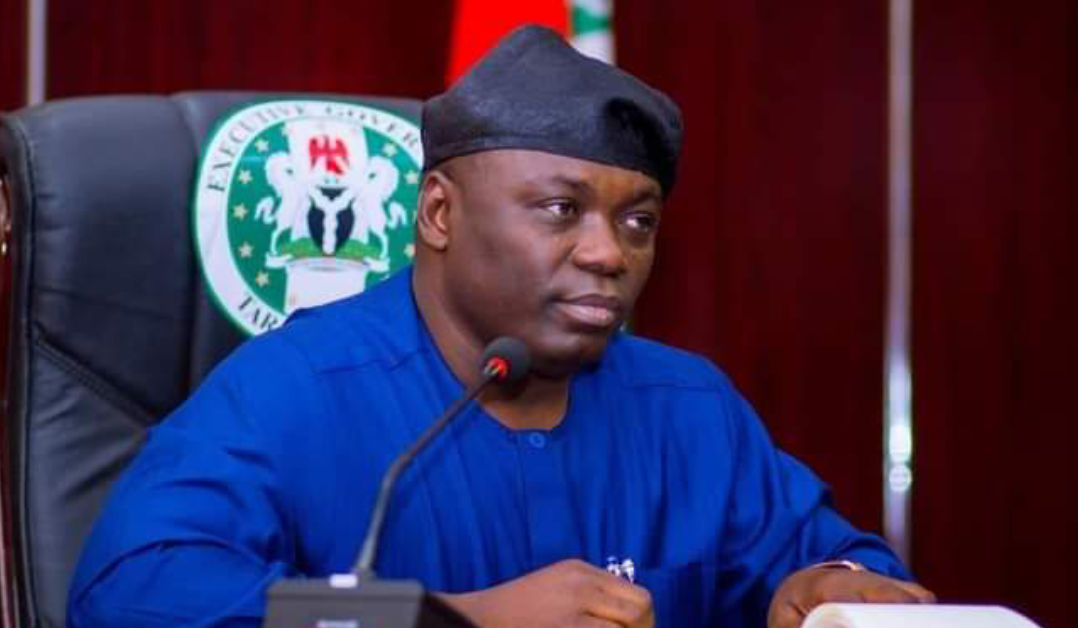
Taraba: Task force raids illegal gold-mining site, arrests two
The Taraba Anti-Illegal Mining Task Force on Monday arrested two suspected illegal miners during a raid on a gold-mining site at Mayo Kam in Gantu village, Bali council area.

Agriculture
Pankshin varsity launches initiative to plant 300 trees
To sustain its ecosystem, the Federal University of Education, Pankshin, Plateau, has launched a tree-planting initiative to plant 300 trees around the school.
Economy
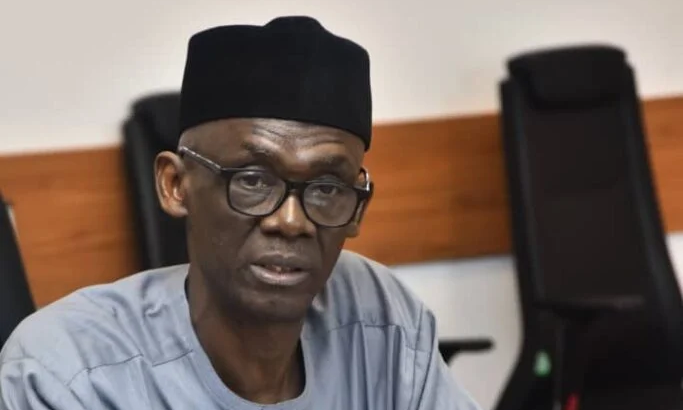
PTDF-backed ABU zeolite innovation could save Nigeria $300 millin annually: VC
Mr Ahmed stated this when he led the university management to the executive secretary of PTDF, Shuaibu Shehu Aliyu, for a courtesy visit.


