

Nigerians’ fertility rate drops from five to four children per woman

The 2024 Nigeria Demographic and Health Survey (NDHS) report says Nigeria’s total fertility rate (TFR) has declined from 5.3 children per woman in 2018 to 4.8 in 2024, marking a major demographic shift over the past five years.
The Minister of State for Health and Social Welfare, Iziaq Salako, disclosed this on Friday in Abuja at the launch of the report.
Mr Salako said the decline reflects gradual gains in access to and use of family planning services nationwide.
“Modern contraceptive use among currently married women increased modestly to 15 per cent in 2023 from 12 per cent in 2018, while satisfied demand for family planning rose to 37 per cent,” he said.
He noted that although the improvements were encouraging, they remained below the levels required to drive rapid social and economic progress.
According to him, antenatal coverage currently stands at 63 per cent and skilled birth attendance at 46 per cent, while postnatal coverage within two days after delivery rose from 38 per cent in 2018 to 42 per cent in 2024.
Mr Salako said the under-five mortality rate had dropped significantly from 132 deaths per 1,000 live births in 2018 to 110 per 1,000 in 2024, while neonatal mortality remained nearly stagnant, moving from 39 to 41 per 1,000 live births within the same period.
“More efforts are required to reduce neonatal deaths, which account for about 40 to 45 per cent of under-five mortality,” he added.
The minister said the findings highlight urgent gaps requiring coordinated responses, adding that the ministry had already begun translating them into policy reforms.
He said initiatives such as the Maternal and Child Fatality Reduction Initiative and the Nigerian Child Survivor Act (2023–2025) were designed to address context-specific challenges through coordinated interventions.
“This is being done with better health investment targeting, improved coordination, a more efficient planning system, stronger community involvement, and building partnerships.
“However, the utilisation of the 2024 NDHS report to strengthen the health system and drive measurable improvements is the responsibility of all stakeholders,” he said.
Mr Salako added that the data would also guide subnational governments to identify geographical areas requiring urgent intervention.
The executive chairman of the National Population Commission (NPC), Nasir Kwarra, said the NDHS remains a vital instrument for understanding population trends, child and maternal health, nutrition, malaria, HIV, and other development indicators.
“Since its inception in 1990, the NDHS has been a central pillar in Nigeria’s demographic data architecture.
“The 2024 edition continues this legacy, providing fresh insights at a time when the need for reliable evidence to guide policy has never been greater,” he said.
Mr Kwarra said the survey was implemented by the NPC with oversight from the Ministry of Health and Social Welfare and support from development partners.
World Bank senior health specialist Ritgak Tilly-Gyado said the data would support the bank’s analytical work and policy modelling in key areas such as health, education, and nutrition.
“The NDHS provides critical data points that help us understand what has worked and where further support to the Nigerian government is most needed,” she said.
The 2024 NDHS, the sixth in the series since 1999, was designed to provide reliable data for monitoring population and health indicators in Nigeria.
The pre-data collection phase ran from August 2022 to November 2023, covering tool development, training, recruitment, pre-testing, and logistics. Fieldwork was conducted across 42,000 households nationwide between December 1, 2023, and May 5, 2024.
(NAN)

We have recently deactivated our website's comment provider in favour of other channels of distribution and commentary. We encourage you to join the conversation on our stories via our Facebook, Twitter and other social media pages.

More from Peoples Gazette

Agriculture
FG tasks ECOWAS on leveraging financing strategies for agroecology
The federal government has urged stakeholders in the agriculture and finance sectors in the West Africa region to leverage financing strategies to enhance agroecology practices

Politics
Katsina youths pledge to deliver over 2 million votes to Atiku
“Katsina State is Atiku’s political base because it is his second home.”

NationWide
Stakeholders in Osun, Ondo, Ekiti call for broader participation in constitutional reforms
They also appealed to Nigerians to pay equal attention to all constitutional amendment bills, rather than focusing on the state police proposal.

Economy
SEC set to deliver sustained zero trade fail rate in T+1 settlement cycle: DG
The DG said the focus would be on full delivery-versus-payment discipline across custodians, brokers and the Central Securities Clearing System Plc (CSCS).
Lagos
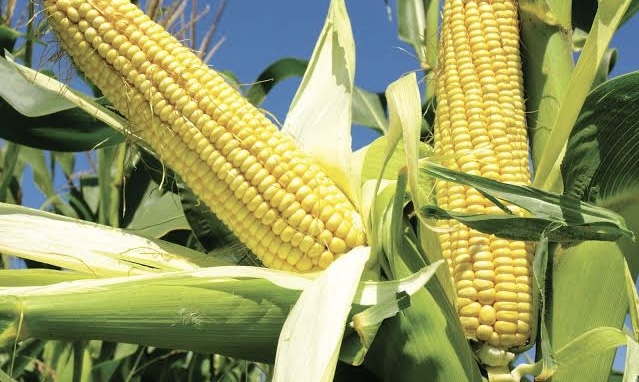
Lagos residents decry soaring corn prices
A corn trader, Justina Odion, blamed the high retail price on increased wholesale costs.

NationWide
Afam Okeke wins NBA general secretary election with 8,478 votes
The live results portal showed that a total of 82,167 voters were accredited for the general election held on Saturday.

States
Tinubu is pillar of my infrastructural development: Gov Sani
The governor said that the N1 trillion Light Rail Project will commence in the next two months.

States
Students killed as troops foil abduction attempt in Borno school
He said that the terrorists reportedly gained access to the facility with the assistance of suspected collaborators


