

Nigeria’s energy crisis biggest obstacle to industrialisation: Sanusi
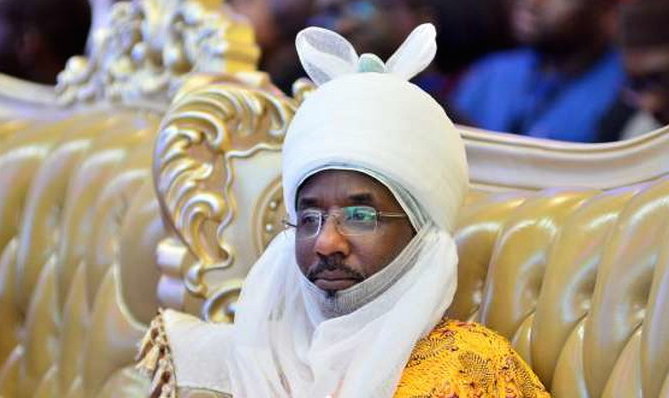
The Emir of Kano, Muhammadu Sanusi II, on Friday said Nigeria’s inability to provide reliable, affordable and sustainable energy remained the country’s greatest obstacle to.
Mr Sanusi stated this while delivering the keynote address at the birthday symposium of a former Minister of Power and Chairman of Geometric Power Group, Prof. Barth Nnaji, at the International Conference Centre (ICC), Enugu.
He said energy security was directly linked to national development, describing stable electricity supply as the foundation for economic growth, industrialisation and poverty reduction.
He stated, “Energy security and national development are inextricably linked. A reliable, affordable and sustainable energy supply is the foundational driver of economic growth, industrialisation and poverty reduction.”
According to him, countries without consistent electricity supply suffer low productivity, high business operating costs and poor socio-economic development.
He noted that affordable power enabled businesses, from small enterprises to large manufacturers, to increase productivity and plan effectively.
Mr Sanusi cited International Monetary Fund (IMF) data showing that energy security influenced macroeconomic stability, industrial competitiveness and inflation.
He said even brief disruptions in electricity supply could reduce economic growth and worsen inflation.
The emiir said reliable electricity was also essential for healthcare, education, information and communication technology as well as transportation.
He warned that Nigeria could fall behind as the world transitioned to electric vehicles unless policymakers took deliberate steps to close the country’s energy gap.
Mr Sanusi advocated an energy transition that combined Nigeria’s natural gas resources with greater investment in renewable energy, including solar and wind.
He described Nigeria’s energy crisis as a major contributor to poverty, unemployment and the rising cost of living.
According to him, decades of inadequate electricity supply have weakened industrial growth and forced households and businesses to rely on generators, exposing millions of Nigerians to harmful carbon emissions.
The emir identified underinvestment, infrastructure vandalism, corruption, sector illiquidity, regulatory uncertainty and the absence of cost-reflective tariffs as major constraints to investment in the power sector.
He said Nigeria’s transmission and distribution infrastructure lacked the capacity to deliver stable electricity, resulting in frequent grid collapses and huge technical and commercial losses.
Mr Sanusi said addressing the country’s estimated 100 billion-dollar power infrastructure funding gap would require deep structural reforms.
He cited geometric power in Abia State as an example of how reliable electricity could transform an economy.
“If you want to see the impact of electricity on an economy, just look at Geometric Power and Abia State. Look at the transformation in Abia. This is living evidence of what people think is theory,” he said.
The emir recalled that during the privatisation of the power sector, Mr Nnaji raised concerns that some electricity distribution companies lacked the financial capacity to fulfil their obligations.
He said the concerns highlighted the importance of strong financial and regulatory institutions in building a sustainable electricity market.
The symposium attracted political leaders, policymakers, academics and industry stakeholders from across the country.
Among those in attendance were former President Olusegun Obasanjo, who delivered the opening remarks, Enugu State Governor Peter Mbah, who gave the host address, and Abia State governor, Alex Otti.
The event also featured a presidential fireside chat moderated by Segun Adeniyi, an innovation challenge overview, and a book presentation and review.
(NAN)

We have recently deactivated our website's comment provider in favour of other channels of distribution and commentary. We encourage you to join the conversation on our stories via our Facebook, Twitter and other social media pages.

More from Peoples Gazette

States
Independence: NBA urges Nigerians to expect better future
The NBA said that ordinary Nigerians should be deriving benefit from the subsidy removal rather than hardship.

Agriculture
FG tasks ECOWAS on leveraging financing strategies for agroecology
The federal government has urged stakeholders in the agriculture and finance sectors in the West Africa region to leverage financing strategies to enhance agroecology practices

Politics
Katsina youths pledge to deliver over 2 million votes to Atiku
“Katsina State is Atiku’s political base because it is his second home.”
States
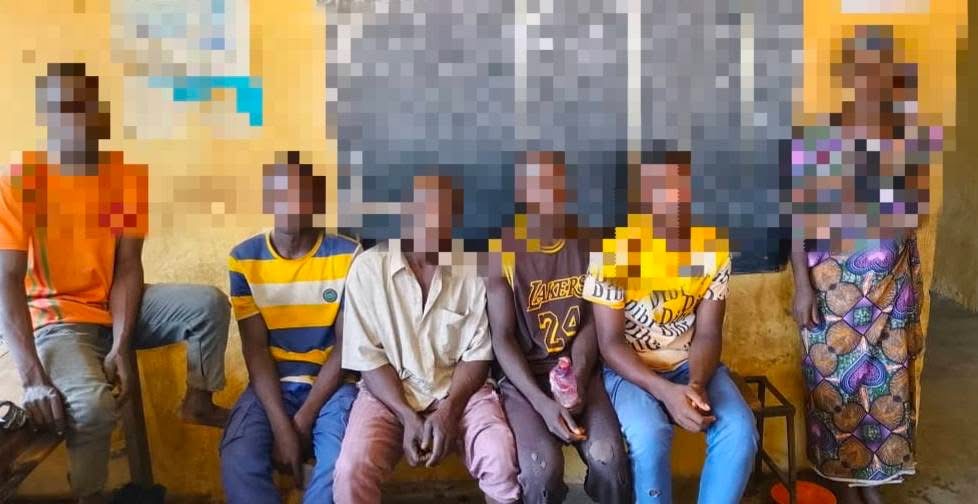
Six abducted Niger farmers rescued
The police said the farmers were abducted on October 28, 2026, at about 12:00 p.m on their farms at Mahangi village via Pandogari.
States
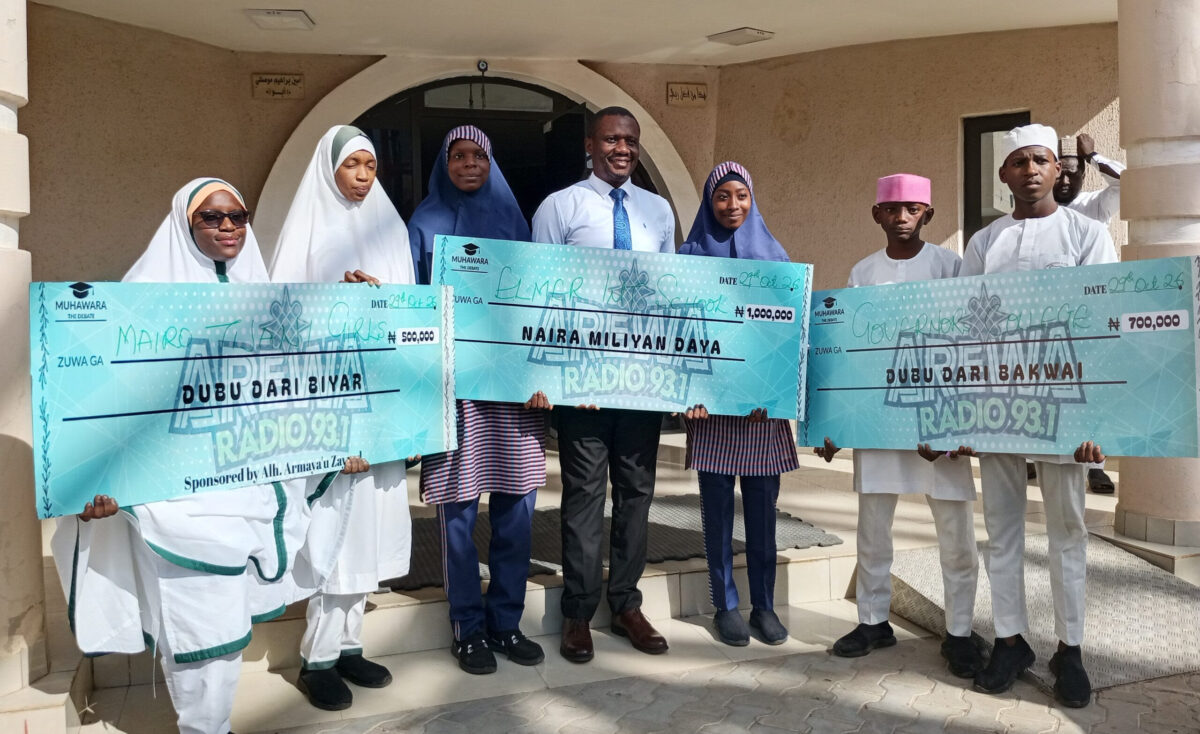
Arewa Radio doles out N2.2 million to winners of Kano secondary schools debate
Sixteen schools and 32 students participated in the competition.
Politics
Tinubu has opened governance to Nigerian youths, says presidential aide
Mr Ayinde said the Tinubu administration has demonstrated commitment to youth inclusion by creating opportunities for young Nigerians to contribute to governance.
States
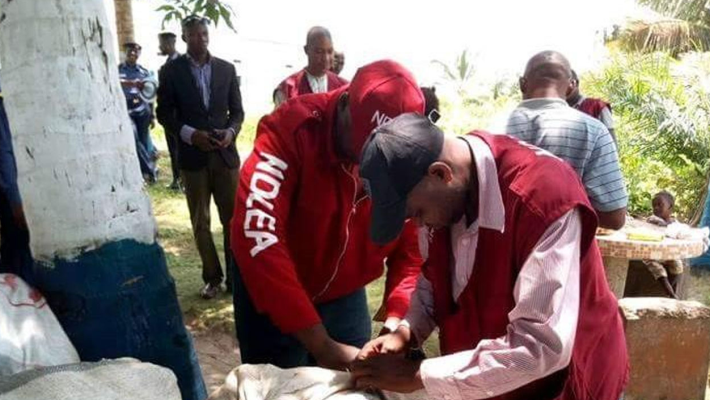
NDLEA intercepts large consignments of illicit drugs in seven states
Mr Babafemi said operatives arrested the suspects while they were loading 554 kilogrammes of skunk into a Volvo truck for onward movement into town.

Agriculture
North-East poultry farmers seek govt intervention over threat of sector collapse
In separate interviews with journalists in Borno, Yobe and Adamawa, poultry farmers described rising input costs as a serious threat to productivity.
States
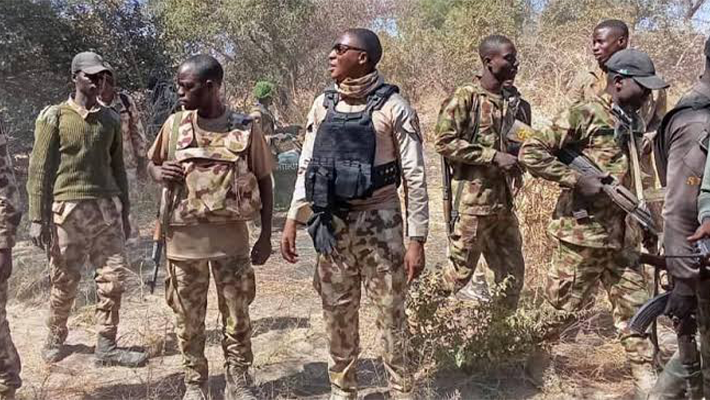
Troops rescue 11 abducted victims in Kebbi
Mr Sanivie said the operation followed a distress call about suspected terrorists who had blocked the Ribah-Dirindaji road while attempting to invade Ribah town.


