

Nigeria’s PHCs need urgent revitalisation: Stakeholders
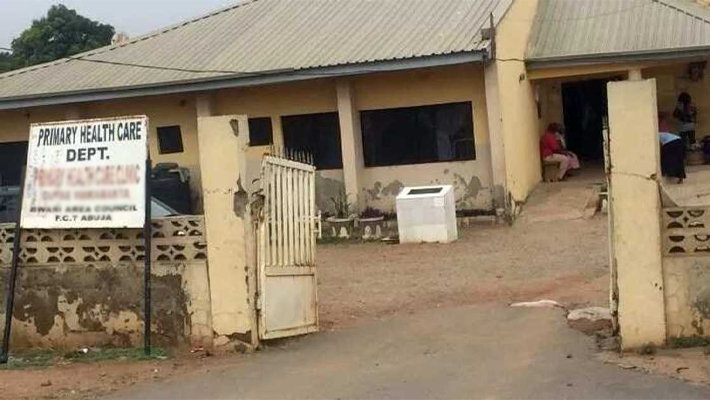
Some health stakeholders say Nigeria’s primary healthcare centres, which serve as the backbone of the country’s healthcare system, need revitalisation.
The stakeholders in Abuja stated on Monday that despite the country having over 30,000 PHCs, the majority are non-functional due to poor funding, inadequate staffing, and dilapidated infrastructure.
According to them, addressing these challenges is key to achieving universal health coverage for Nigerians.
According to the National Primary Healthcare Development Agency, only 20 per cent of PHCs in the country are fully functional.
The situation has left millions of Nigerians, particularly those in rural areas, unable to access basic healthcare services.
Elizabeth Dasat, a family physician, identified inadequate funding as a major hindrance to the effectiveness of PHCs.
“While the Basic Healthcare Provision Fund was established to support PHC financing, implementation challenges have limited its impact. There is an urgent need for the government to increase budgetary allocations to PHCs and ensure the effective disbursement of funds to local governments,” she said.
Pamela Ajayi, president of the Healthcare Federation of Nigeria, highlighted the potential of public-private partnerships in bridging funding gaps and upgrading healthcare facilities.
“A shortage of skilled healthcare workers is another critical challenge facing PHCs. Many rural PHCs are staffed by community health workers rather than qualified medical professionals,” she said.
Chika Offor, executive director of the Vaccine Network for Disease Control, called for incentives to attract and retain health workers in underserved areas.
“Providing competitive salaries, housing allowances, and opportunities for professional growth will encourage doctors and nurses to serve in rural communities,” Ms Offor said.
According to her, many PHCs lack basic amenities such as electricity, clean water, and medical equipment, making it difficult to provide essential services.
Meanwhile, Kemi Oludare, a health economist, urged the government to prioritise infrastructure development as part of its healthcare reform agenda.
According to Ms Oludare, innovative measures such as solar-powered PHCs have been implemented in states like Bauchi and Lagos to address these gaps.
She said that such examples should be replicated nationwide.
“Local communities can play a vital role by participating in decision-making, resource mobilisation, and monitoring healthcare delivery. Ward development committees (WDCs) are effective tools for fostering community ownership.
“Community participation ensures that PHCs address the unique needs of the people they serve,” she said.
Gabriel Adakole, a public health expert, recommended integrating services such as maternal and child health, immunisation, family planning, and disease prevention.
“Digital tools like the e-motive approach for maternal care have also been identified as solutions to enhance service delivery,” Mr Adakole said.
During a recent health event, the Ministry of Health and Social Welfare, under Minister Muhammed Ali Pate, reaffirmed the government’s commitment to strengthening PHCs as a pathway to achieving UHC.
“Strengthening PHCs is essential to ensuring that every Nigerian has access to basic healthcare services, no matter their location or socio-economic status,” Mr Pate said.
Mustapha Lecky, chairman of the Health System Reform Coalition of Nigeria, called for increased advocacy, accountability, and policy reforms.
Mr Lecky stressed the need for collaboration among government agencies, private-sector players, and civil society organisations to ensure sustainable improvements.
Most stakeholders agree that as Nigeria works toward revitalising its PHCs, success stories from the sub-nationals offer a glimmer of hope.
However, sustained efforts and investments will be required to replicate such successes across the country.
They agreed that revitalising PHCs is about providing healthcare and restoring dignity and hope to millions of Nigerians.
(NAN)

We have recently deactivated our website's comment provider in favour of other channels of distribution and commentary. We encourage you to join the conversation on our stories via our Facebook, Twitter and other social media pages.

More from Peoples Gazette

States
Independence: NBA urges Nigerians to expect better future
The NBA said that ordinary Nigerians should be deriving benefit from the subsidy removal rather than hardship.

Agriculture
FG tasks ECOWAS on leveraging financing strategies for agroecology
The federal government has urged stakeholders in the agriculture and finance sectors in the West Africa region to leverage financing strategies to enhance agroecology practices

Politics
Katsina youths pledge to deliver over 2 million votes to Atiku
“Katsina State is Atiku’s political base because it is his second home.”

Heading 5
Catholic priest dies after crucifix falls on him during service
Mr Molinari was being live-streamed when the incident occurred on Saturday.
States
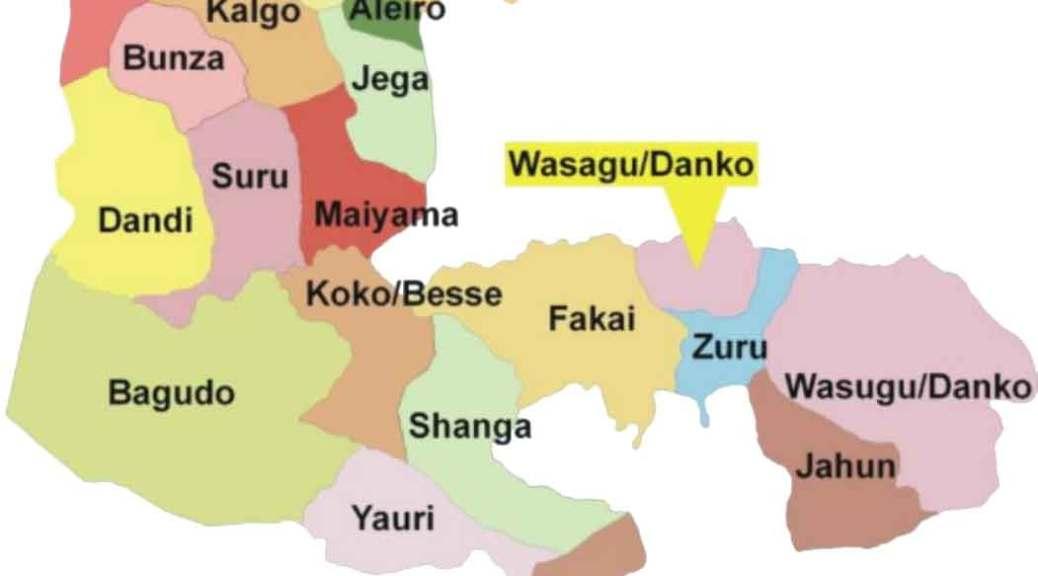
Kebbi governor’s aide empowers 400 residents in Zuru
Beneficiaries were given cash ranging from N10,000 to N20,000.
States
I’ve paid over N7 billion as compensation to property owners: Gov Sani
The governor commended the owners of the 865 affected households.
Heading 5
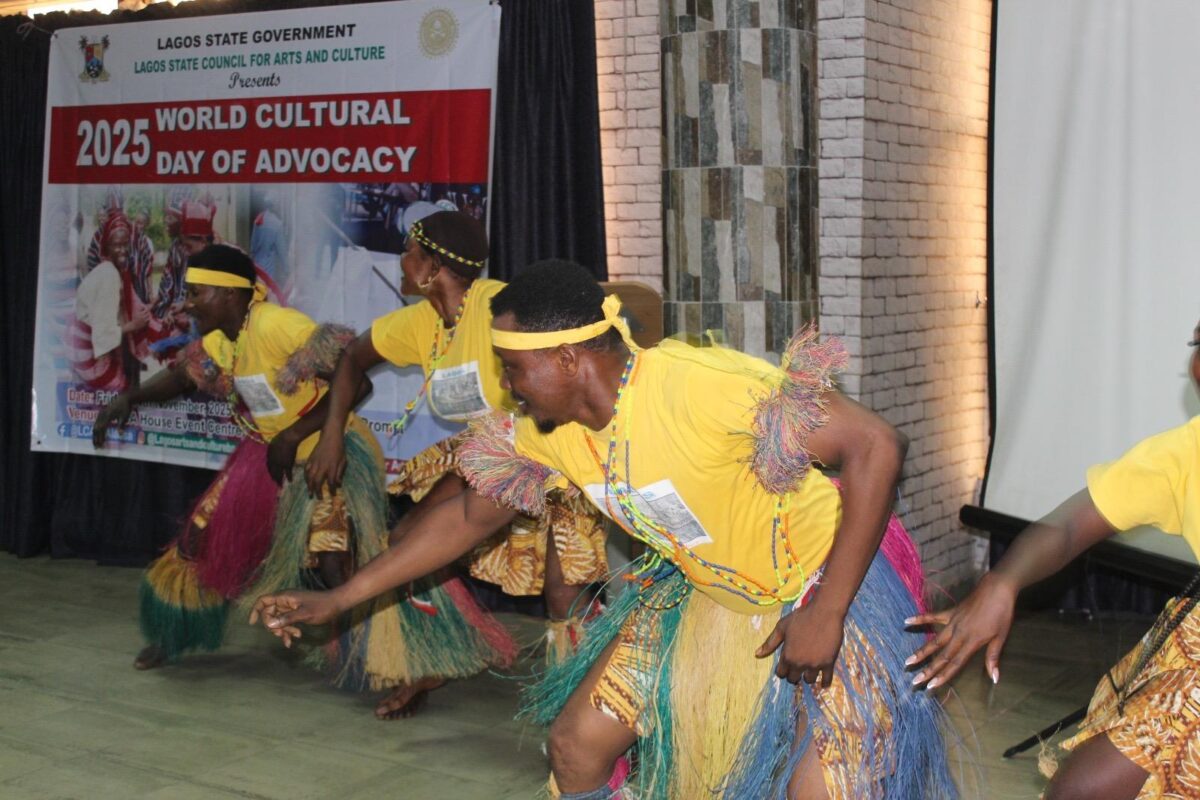
Lagos strengthens culture, youth engagement to boost creative economy
According to Mr Johnson, the government was encouraging young people to develop their creative skills.

States
Ogun FRSC commander dies after brief illness
He described Mr Ogunjobi’s death as a great loss to the corps.

Showbiz
Daddy Showkey, Peruzzi, others thrill fans at Felabration
Felabration is an annual cultural festival featuring musical performances, debates, dance, art and fashion.


