

Nigeria’s travel agencies count losses amid COVID-19 crisis

The National Association of Nigeria Travel Agencies (NANTA) says it recorded a 46.9 per cent loss in sales in 2020, due to the COVID-19 pandemic.
Susan Akporaiye, the National President of the association, at a media briefing on Tuesday in Lagos, said the 2020 sales statistics were in comparison with that of 2019.
According to her, sales picked-up between January to April 2020, after which the Nigerian government declared a period of lockdown.
“We made total sales of $57.79m in January 2019 as against $70.03m same month in 2020, and $51.52m was realised in February 2019 and $59.16m, in February 2020.
“Also, we realised $80.55m in March 2019 and $23.26m in March 2020 while $92.50m was made in April 2019 as against $1.38m in 2020.
“So, in 2019, we realised $282.36m, and in 2020, we made, $151m bringing the percentage of our losses to 46.9 per cent. The pandemic’s impact on the Nigerian travel trade sector was brutish, unexpected, and fearful; the pandemic challenged the legacy of the united NANTA,” she said.
Mrs. Akporaiye expressed optimism that the association would recover soon due to the government and the International Air Transport Association’s support.
She commended IATA’s efforts to support the association in ensuring its members’ recovery from the losses of the COVID-19 pandemic.
“IATA has been very lenient with travel agents when we had issues paying our annual obligation, which was as a result of bank default. They also opened up communication channels for counselling our members. We appreciate all these.
“The federal government through the Ministry of Aviation and Nigerian Civil Aviation Authority (NCAA) intervened to give us hope and stabilised certain measures of policy matters which brought sanity to the rash of COVID-19 protocols, targeted at Nigerian passengers,” she added.
(NAN)

We have recently deactivated our website's comment provider in favour of other channels of distribution and commentary. We encourage you to join the conversation on our stories via our Facebook, Twitter and other social media pages.

More from Peoples Gazette

States
Independence: NBA urges Nigerians to expect better future
The NBA said that ordinary Nigerians should be deriving benefit from the subsidy removal rather than hardship.

Agriculture
FG tasks ECOWAS on leveraging financing strategies for agroecology
The federal government has urged stakeholders in the agriculture and finance sectors in the West Africa region to leverage financing strategies to enhance agroecology practices

Politics
Katsina youths pledge to deliver over 2 million votes to Atiku
“Katsina State is Atiku’s political base because it is his second home.”
Heading 4
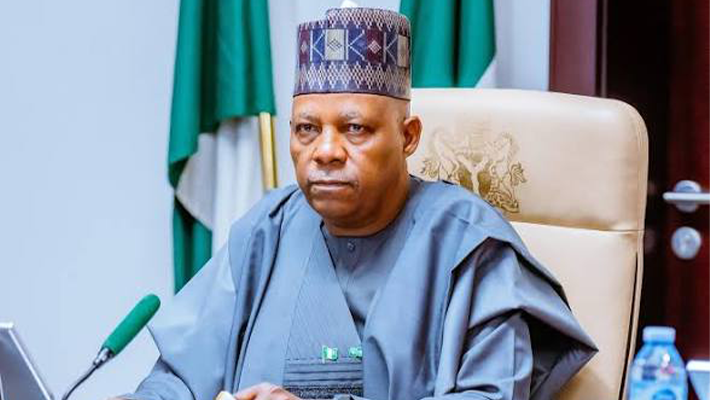
Shettima urges statisticians to strengthen Nigeria’s data systems
Mr Shettima said credible statistics were essential for effective governance and economic planning.

Heading 1
19 injured in minibus collision with train in France
The minibus was conveying truck drivers.

Heading 5
Sokoto: Customs confiscate truckload of contraband worth N722 million
He urged Nigerians to support the NCS by providing credible information that could help eradicate smuggling.
Heading 3
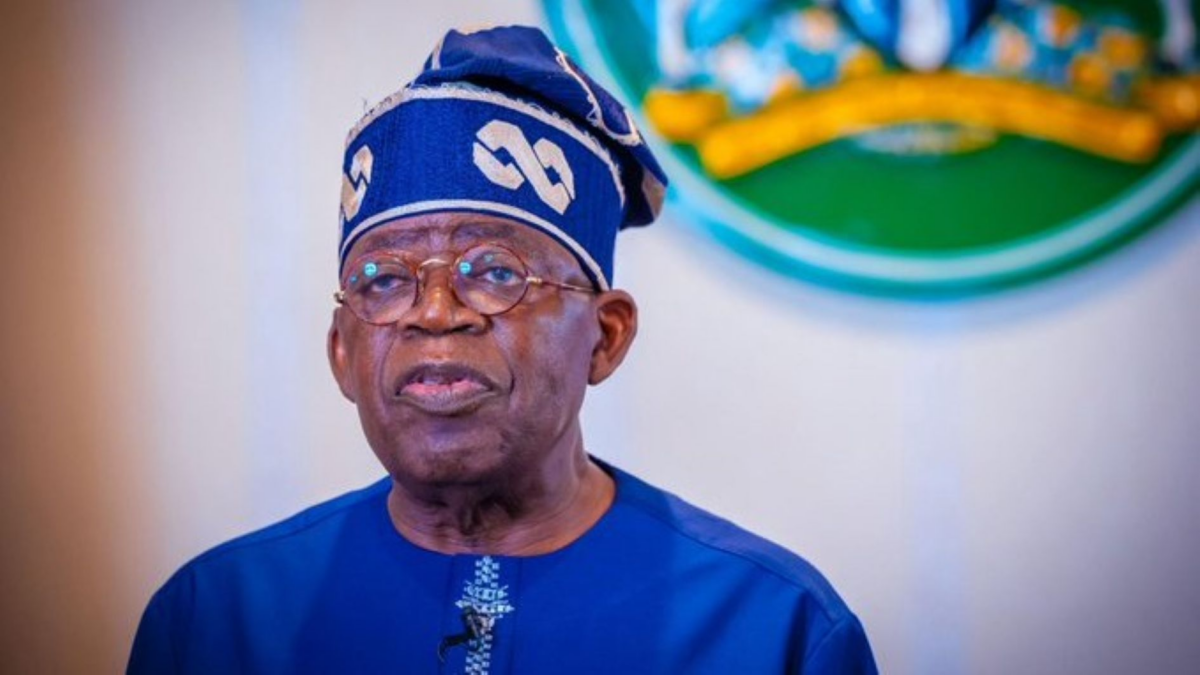
2027: Tinubu directs security chiefs to rescue abducted Nigerians, crush terrorists
Mr Musa said Mr Tinubu also stressed the need for free, fair and credible elections.
Heading 2
INEC decries exclusion of PWDs from elective positions in Akwa Ibom
Mr Onuoha said the commission would hold a sensitisation programme for persons with disabilities on Friday in Uyo.
World
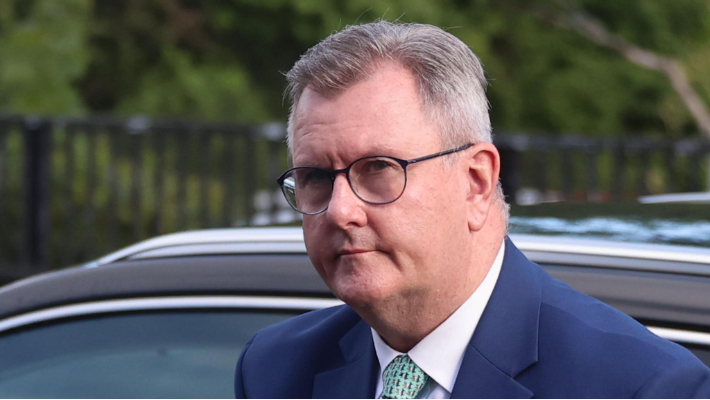
UK court sentences Irish lawmaker Jeffrey Donaldson to 15 years in prison for raping children
One of the women described the rape as “the worst moment of her life”.


