

North-East stakeholders seek more funding, manpower for sanitary inspection
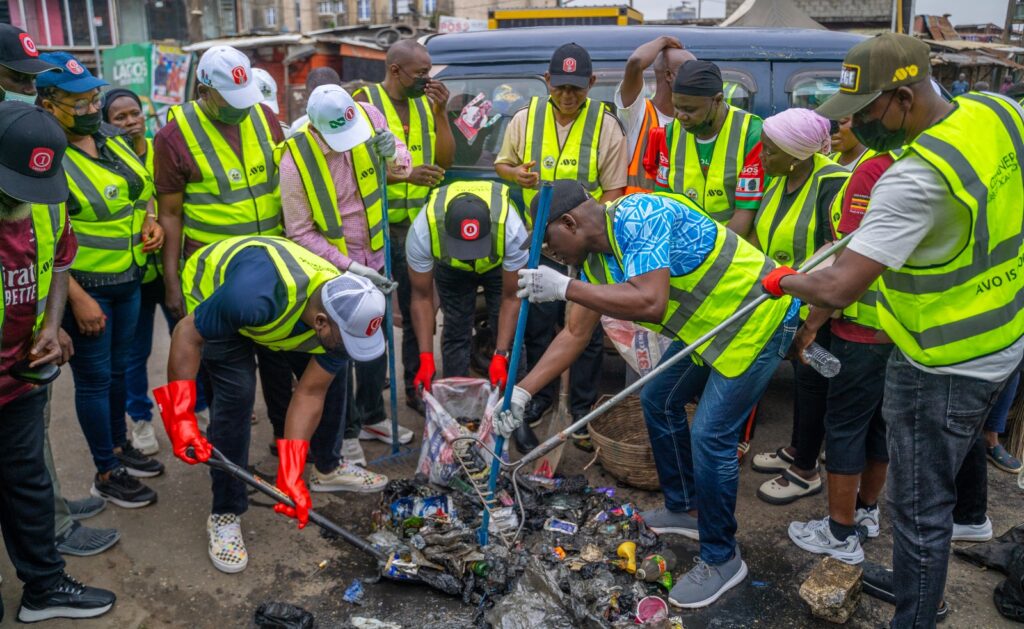
Some stakeholders in Borno, Yobe, and Adamawa have called on the federal and state governments to increase funding and manpower for sanitary inspection agencies to deliver services effectively.
In separate interviews on Thursday, the stakeholders noted that inadequate funding, manpower shortages, and capacity gaps were the major challenges facing sanitary inspection.
They assured that implementing such reforms would strengthen environmental hygiene, improve food safety and protect public health in the states.
Zanna Lawal, an environmentalist with Ramat Polytechnic, Maiduguri, attributed the challenges in sanitary inspection to corruption and weak enforcement of sanitation laws.
Mr Lawal said sanitary inspectors previously conducted regular house-to-house inspections and monitored food vendors, restaurants and business premises to ensure compliance with hygiene standards.
He, however, said that inadequate recruitment, poor remuneration, lack of operational equipment and political interference had weakened their effectiveness.
According to him, population growth has also increased the workload of available inspectors, making it difficult to effectively monitor expanding communities.
He called for adequate funding, recruitment, training and stronger enforcement mechanisms to restore effective sanitary inspection.
Babi Ladan, a food vendor, expressed concern over the conduct of some sanitary inspectors, alleging that their activities sometimes focused more on collecting money than educating traders on proper hygiene.
Ms Ladan said food vendors needed regular guidance on food handling, waste disposal and cleanliness rather than intimidation and indiscriminate penalties.
She appealed to the authorities to ensure transparency in sanitation enforcement and address concerns about multiple levies affecting small businesses.
Abubakar Sulaiman, the general manager of the Borno State Environmental Protection Agency (BOSEPA), insisted that the agency was strengthening house-to-house inspections, public sensitisation and enforcement activities.
Mr Sulaiman said BOSEPA had deployed a task force to complement routine inspections and address environmental violations.
He identified inadequate funding and the high cost of diesel as major challenges limiting the agency’s operational capacity.
The general manager said that effective sanitation required cooperation among government agencies, food vendors, traders and residents.
He urged residents to avoid indiscriminate waste disposal and maintain clean surroundings to prevent sanitation-related diseases, including cholera.
Babagana Modu, the general manager of the Yobe State Environmental Protection Agency, also disclosed that the state government had approved capacity building for 40 environmental health officers.
The general manager identified a lack of adequate environmental health officers, sanitary labourers and working equipment as the major challenges in the agency.
Mr Modu called for the amendment of obsolete sanitation laws in the state for effective enforcement of law and order against sanitary violators.
He also announced that the agency had sought executive permission to reintroduce monthly sanitation.
Ibrahim Umar, executive director of the Adamawa State Environmental Protection Agency (ADSEPA), however, said that the agency had intensified regular inspection and sensitisation of food vendors against unhygienic practices at restaurants and roadsides.
“We monitor them on how they wash their dishes and flats, the provision of running water for hand washing, and the usage of caps and face masks while cooking and serving customers. We also encouraged them to fumigate, clean the premises and clear the drainage system, among others,” Mr Umar said.
He warned residents against violating sanitary laws, saying anyone found wanting would be prosecuted.
(NAN)

We have recently deactivated our website's comment provider in favour of other channels of distribution and commentary. We encourage you to join the conversation on our stories via our Facebook, Twitter and other social media pages.

More from Peoples Gazette

States
Independence: NBA urges Nigerians to expect better future
The NBA said that ordinary Nigerians should be deriving benefit from the subsidy removal rather than hardship.

Agriculture
FG tasks ECOWAS on leveraging financing strategies for agroecology
The federal government has urged stakeholders in the agriculture and finance sectors in the West Africa region to leverage financing strategies to enhance agroecology practices

Politics
Katsina youths pledge to deliver over 2 million votes to Atiku
“Katsina State is Atiku’s political base because it is his second home.”
Hot news Home top
Ridiculous ruling can’t stop me from rescuing Nigerians from APC-imposed hardship, says Atiku
Mr Atiku said the judgment also raises serious legal concerns.

Showbiz
Blessing CEO announces breakup from IVD
Ms Okoro made the disclosure in a video on Wednesday.

States
Adamawa: Resident allegedly stabs neighbour to death over roasted meat
The police command in Adamawa has arrested a 28-year-old man, Ibrahim Augustine, for stabbing a 21-year-old man, Haggai Markus, to death over roasted meat.

Anti-Corruption
Court jails Edo man two years for fraud, impersonation
The Edo State High Court division in Benin City, has sentenced Samuel Akove Adavize to two years’ imprisonment for impersonation and fraud.
States
North-East stakeholders seek more funding, manpower for sanitary inspection
Zanna Lawal, an environmentalist, attributed the challenges in sanitary inspection to corruption and weak enforcement of sanitation laws.
World
Bomb threats forces multiple planes into emergency landing in Europe
For the second time this week, bomb threats forced airlines across Europe to make emergency landings on Thursday for safety reasons.


