

North-West APC activates internal dispute resolution mechanism

The All Progressives Congress (APC) in the North-west has activated its internal dispute resolution mechanism to resolve pending issues.
The decision was reached during the inaugural meeting of APC North West Stakeholders, held at Yar’adua Hall, Murtala Square, Kaduna, where a fifteen-point communique was issued on Sunday.
Members also agreed to chart the pathway to a more formidable zonal structure to ensure the party’s victory in future elections.
The stakeholders emphasised the need for unity, collaboration, and political foresight to maintain the North-West zone’s political dominance and ensure the region’s continued development and progress.
They appreciated the resilience of the APC faithful and the populace in the North-West and urged continued support for the government at all levels.
The meeting commended President Bola Tinubu’s commitment to fulfilling his campaign promises to the Nigerian people.
Stakeholders also recognised Mr Tinubu’s development agenda, particularly in human capital development, agriculture, education, poverty alleviation, and infrastructural development.
Members also appreciate the efforts of security agencies in maintaining and enhancing security in the North-West. They called for continued support for President Tinubu’s administration amid the nation’s challenges.
They also commended the passage of the North-West Development Commission Bill and urged the National Assembly to expedite its consideration.
The meeting acknowledged the key infrastructure projects in the North West Zone, including highways, rail projects, and gas pipelines, which aim to boost economic activities and enhance security.
The meeting also applauded Governor Uba Sani for hosting the inaugural stakeholders’ meeting. It commended Governors Dikko Radda (Katsina), Umar Namadi (Jigawa), Nasiru Idris (Kebbi), and Ahmad Aliyu (Sokoto) for their leadership.
(NAN)

We have recently deactivated our website's comment provider in favour of other channels of distribution and commentary. We encourage you to join the conversation on our stories via our Facebook, Twitter and other social media pages.

More from Peoples Gazette

States
Independence: NBA urges Nigerians to expect better future
The NBA said that ordinary Nigerians should be deriving benefit from the subsidy removal rather than hardship.

Agriculture
FG tasks ECOWAS on leveraging financing strategies for agroecology
The federal government has urged stakeholders in the agriculture and finance sectors in the West Africa region to leverage financing strategies to enhance agroecology practices

Politics
Katsina youths pledge to deliver over 2 million votes to Atiku
“Katsina State is Atiku’s political base because it is his second home.”
States
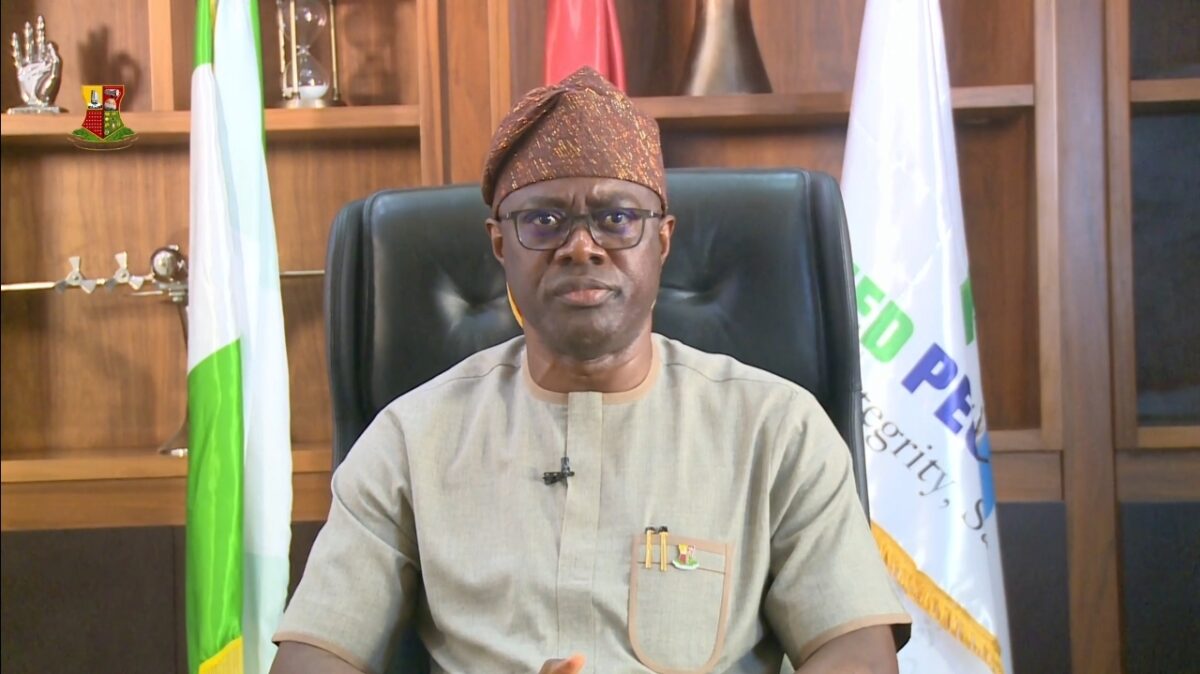
Gov Makinde relieved as kidnapped corpers regain freedom in Imo
The Oyo government has expressed relief over the release of corps members from the state who were kidnapped in Imo, describing their freedom as a welcome development.
Economy
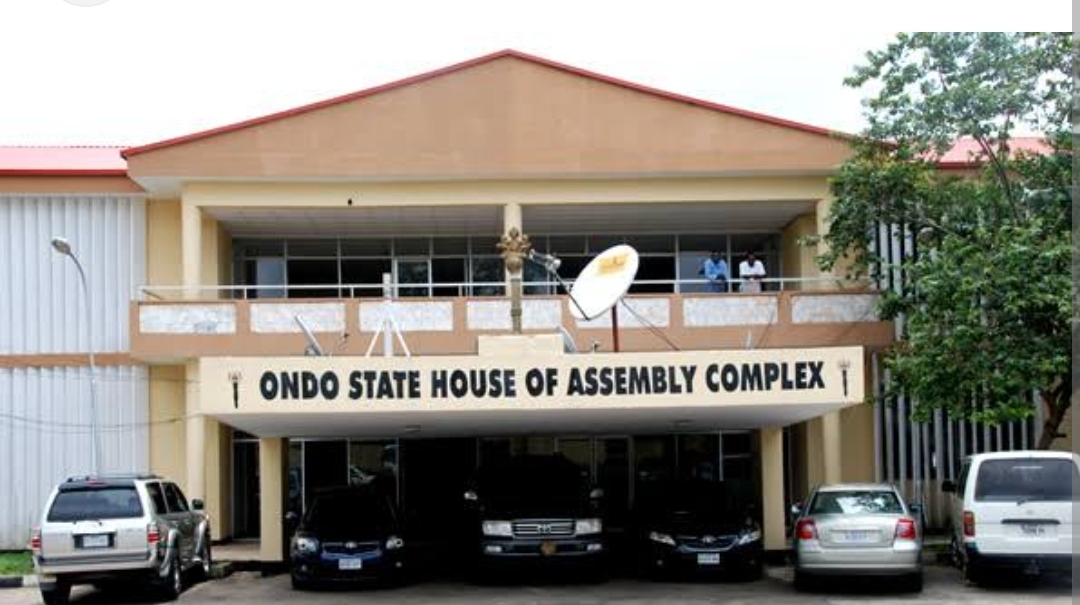
Ondo assembly seeks faster C of O processing to boost investment
The committee’s chairman, Abiola Oladapo, said efficient land administration was critical to creating an enabling environment for businesses.

Heading 4
Minister calls for greater involvement of oncology nurses in cancer care
The minister said cancer’s complexity made multidisciplinary collaboration essential.

Education
NOUN matriculates 70 inmates in Enugu custodial centre
Mr Nwakuche said the NCoS was committed to using education as an instrument for reformation.
Agriculture
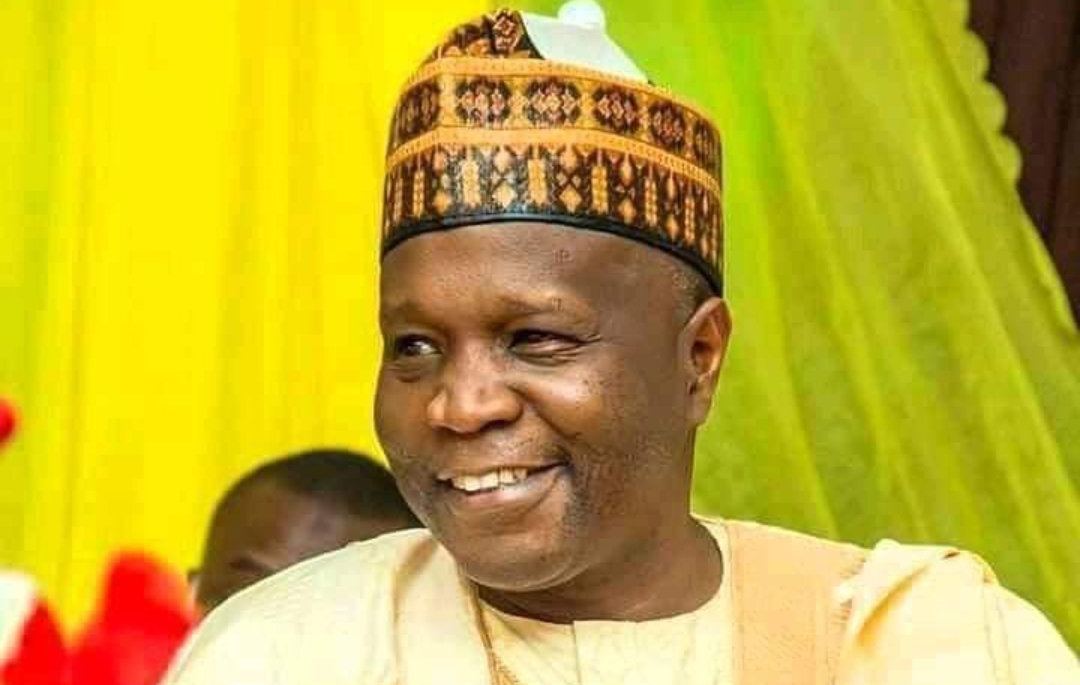
Gombe inaugurates state-wide livestock vaccination campaign
Mr Yahaya said the exercise was aimed at protecting animal health.
NationWide
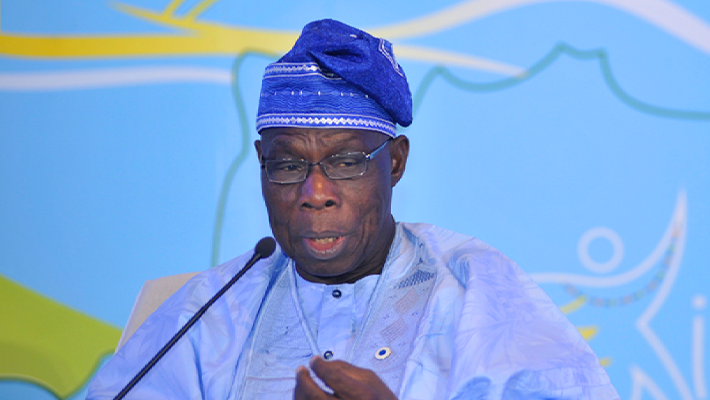
Asaba Massacre: Obasanjo urges forgiveness, reconciliation
He described the massacre as one of the most painful and terrible aspects of the Nigerian Civil War.


