

Northern Nigeria, other countries on high alert hunger hotspots
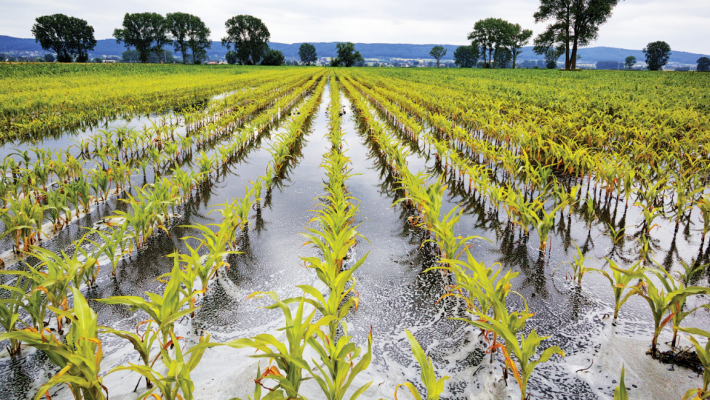
The World Food Programme (WFP) and the Food and Agriculture Organisation (FAO) say conflict, COVID-19 and the climate crisis are likely to increase hunger in Northern Nigeria and 22 other countries in the next four months.
While briefing correspondents at the UN headquarters on Friday in New York on a new report released by the two UN agencies, the associate spokesman on the UN, Eri Kaneko, said Ethiopia and Madagascar were the world’s newest “highest alert” hunger hotspots, according to the report.
“The highest alert list also includes South Sudan, Yemen, and northern Nigeria. In some areas of these countries, significant numbers of people are at risk of falling into famine.
“The report flags other countries where life-threatening hunger is on the rise. They include Afghanistan, Burkina Faso, the Central African Republic, Colombia, the Democratic Republic of the Congo, Haiti, Honduras, Sudan, and Syria,” she said.
According to her, WFP and FAO say humanitarian action is urgently needed to prevent hunger, famine and death in all 23 hotspots.
In a statement, the UN agencies warned that efforts to fight a global surge in acute food insecurity were being stymied in several countries by fighting and blockades that cut off life-saving aid to families on the brink of famine.
“Bureaucratic obstacles, as well as a lack of funding, also hamper the two UN agencies’ efforts to provide emergency food assistance and enable farmers to plant at the right time,” it stated.
FAO and WFP have already warned that 41 million people were at risk of falling into famine unless they received immediate food and livelihood assistance.
“2020 saw 155 million people facing acute food insecurity at crisis or worse levels in 55 countries. According to the Global Report on Food Crises, an increase of more than 20 million from 2019 – and the trend is only expected to worsen this year.
“The vast majority of those on the verge are farmers. Alongside food assistance, we must do all we can to help them resume food production. This will enable families and communities to move towards self-sufficiency and not just depend on aid to survive,” FAO Director-General, Qu Dongyu, said.
“That’s difficult without access, and without adequate funding – and so far, support to agriculture as key means of preventing widespread famine remains largely overlooked by donors, unfortunately.
“Without such support to agriculture, humanitarian needs will keep skyrocketing, that’s inevitable.
“Families that rely on humanitarian assistance to survive are hanging by a thread. When we cannot reach them that thread is cut, and the consequences are nothing short of catastrophic,” warned David Beasley, WFP Executive Director.
The report highlights that conflict, climate extremes and economic shocks – often related to the economic fallout of Covid-19 – will likely remain primary drivers of acute food insecurity for the August-November 2021 period.
It said transboundary threat was an aggravating factor in some regions. in particular, desert locust infestations in the Horn of Africa and African migratory locusts in Southern Africa require continued monitoring and vigilance.
“Countries currently facing most significant obstacles preventing aid from reaching those who need it most include Afghanistan, Ethiopia, the Central African Republic, Mali, Nigeria, South Sudan, Somalia, Syria and Yemen.
“The road to zero hunger isn’t paved with conflict, checkpoints and red tape.
“Humanitarian access isn’t some abstract concept – it means authorities approving paperwork in time so that food can be moved swiftly.
“It means checkpoints allow trucks to pass and reach their destination. It means humanitarian responders are not targeted, so they can carry out their life-and livelihood-saving work,” Mr Beasley said.

We have recently deactivated our website's comment provider in favour of other channels of distribution and commentary. We encourage you to join the conversation on our stories via our Facebook, Twitter and other social media pages.

More from Peoples Gazette

States
Independence: NBA urges Nigerians to expect better future
The NBA said that ordinary Nigerians should be deriving benefit from the subsidy removal rather than hardship.

Agriculture
FG tasks ECOWAS on leveraging financing strategies for agroecology
The federal government has urged stakeholders in the agriculture and finance sectors in the West Africa region to leverage financing strategies to enhance agroecology practices

Politics
Katsina youths pledge to deliver over 2 million votes to Atiku
“Katsina State is Atiku’s political base because it is his second home.”

Africa
ECOWAS unveils platform to strengthen regional development
ECOWAS in a statement on Wednesday in Abuja said its vice president, Anthony Ogunjimi, launched the platform.

NationWide
NSC targets N1 trillion sports infrastructure fund
The NSC chairman noted that stadiums should operate beyond match days.

Hot news Home top
Anxiety over gospel artiste Toluwanising’s death rumour
A lawyer and spokesperson for the Imole Campaign Council, Pelumi Olajengbesi, confirmed the gospel artist demise in a post on social media.

Lagos
Customs MMAC generated N165.79 billion revenue in 10 months, says controller
Mr Otunla urged stakeholders to maintain compliance.

NationWide
Group urges police to obey court order reinstating 455 cops compulsorily retired
The group noted that the National Industrial Court, sitting in Abuja, ordered the police authorities to reinstate the affected cops.

NationWide
CBN governor Olayemi Cardoso emerges chairman of Africa Finance Corporation
Mr Cardoso would replace Ireti Samuel-Ogbu, who had chaired the board since April 2025.


