

Yoruba, Igbo should tame their demons before denouncing northern insecurity

The persistent sparring on social media between two of Nigeria’s most influential ethnic groups, the Igbo and Yoruba, gives the impression that neither is sufficiently burdened by its own security crises and so finds the luxury of time to trade insults and apportion blame.
The reality is starkly different. Both groups are weighed down by demons that demand urgent attention, yet finger-pointing has become a convenient distraction for them.
In the South-East, separatist agitation of the Indigenous People of Biafra (IPOB) has long crossed the line from peaceful political expression into outright criminality. What began as calls for self-determination has degenerated into violence marked by sit-at-home orders enforced with blood, targeted assassinations, and attacks on public facilities.
Entire communities across the region have been deserted, businesses shut, and families displaced. According to police data, more than 500 civilians and security personnel were killed in IPOB-linked violence between 2021 and 2023. What once seemed like a movement for justice now wears the face of terror, increasingly hijacked by opportunistic criminals.
The real demon of the South-East is not simply federal marginalisation; it is the unwillingness of many Igbo to speak against this violence. Fear of attacks by IPOB and supporters has produced a dangerous silence, one that emboldens the group. Unless critical stakeholders from the region confront this monster decisively, the region risks losing its economy and stability to chaos.
The South-West, meanwhile, faces its own hydra-headed insecurity. Beyond the bandit incursions into forests and farms, which have displaced rural communities and threatened food security, there is also the menace of cultism and organised youth gangs.
Media reports suggest that persistent attacks by bandits and herders on farmland in Ondo, Oyo, and Osun have jeopardised as much as 40% of food production in parts of the region, with investors abandoning once-thriving agrarian settlements to the encroaching violence.
Added to this is the scourge of ‘Yahoo Yahoo’ and its darker offshoot, ‘Yahoo Plus,’ where ritual killings have been reported as part of desperate attempts at wealth. This crisis of values, fuelled by greed, unemployment, and the glamorisation of fraud, has already claimed too many young lives and sullied the region’s reputation for industry and education.
Despite these pressing internal challenges, both groups find ample time to trade barbs, as though insecurity were an export product to be mocked when seen in others. Igbo social media commentators relish in pointing at ritual killings and cyber fraud in the South-West, while their Yoruba counterparts in turn gloat about the South-East’s violent sit-at-home orders and general descent into separatist violence. Both fail to recognise that their houses are on fire.
The South-East and South-West are burning. They must learn to mind their business, literally. The Igbo must prioritise ending separatist violence, while the Yoruba must face down cultism, drugs, cybercrime, and encroaching banditry. To do otherwise is to court disaster.
Security begins at home. Each region must stop pointing fingers and confront its own demons. For the Igbo, that means refusing to tolerate the violence carried out under the guise of political agitation. For the Yoruba, it means addressing the social rot among the youth and tightening community vigilance against infiltration of armed bandits from the north.
Importantly, both groups must also hold their political elites accountable. While ordinary young Igbo and Yoruba trade insults online, their leaders continue to enrich themselves, neglecting the very insecurities tearing their regions apart. Cultism and separatist violence thrive not just because of criminals but because of political indifference, corruption, and misgovernance.
Both ethnic groups have monsters within their borders. It is therefore self-defeating for the Igbo and Yoruba, two of Nigeria’s most educated, resourceful, and globally connected groups, to expend energy trading blame instead of taming their demons. The future of both regions depends on their ability to restore order within their own houses.
It is time for the Igbo and Yoruba to put an end to the finger-pointing and confront their insecurities head-on. If both groups continue to bicker on social media, they will watch their regions unravel from within in real time, and with no one left to blame but themselves.
Maduekwe runs Discussing Africa Media. Write him: mrmaduekwe@gmail.com

We have recently deactivated our website's comment provider in favour of other channels of distribution and commentary. We encourage you to join the conversation on our stories via our Facebook, Twitter and other social media pages.

More from Peoples Gazette

States
Independence: NBA urges Nigerians to expect better future
The NBA said that ordinary Nigerians should be deriving benefit from the subsidy removal rather than hardship.

Agriculture
FG tasks ECOWAS on leveraging financing strategies for agroecology
The federal government has urged stakeholders in the agriculture and finance sectors in the West Africa region to leverage financing strategies to enhance agroecology practices

Politics
Katsina youths pledge to deliver over 2 million votes to Atiku
“Katsina State is Atiku’s political base because it is his second home.”

World
World Bank launches Philanthropy Hub to connect donors with development projects
The statement noted that philanthropic organisations are already contributing to World Bank Group initiatives.
Abuja
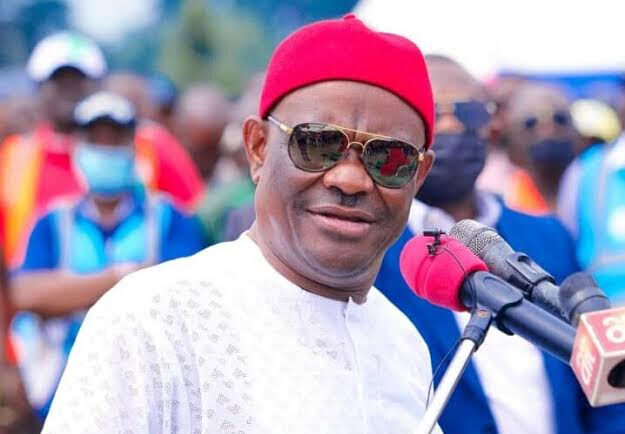
Ajaero using FCT teachers’ strike to ‘cripple’ govt for ADC, says Wike
Mr Wike insisted that his administration has met its financial obligations and invested heavily in public school infrastructure.
NationWide
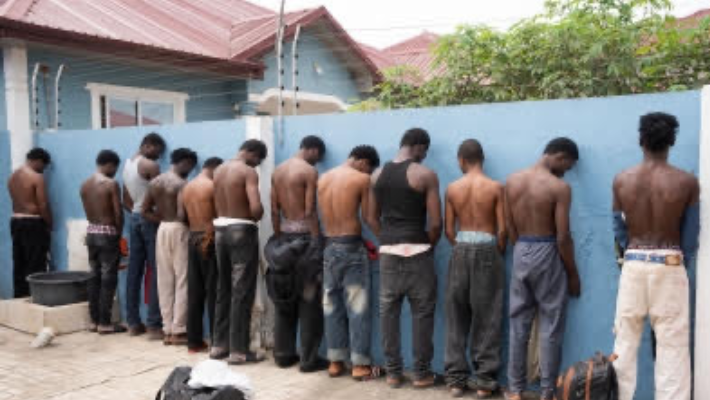
28 Yahoo Boys arrested in Nigeria, Ghana in U.S. crackdown on West African scam networks
The FBI, in collaboration with local anti-graft agencies in Ghana and Nigeria, made 28 arrests in the last week of September.
Africa
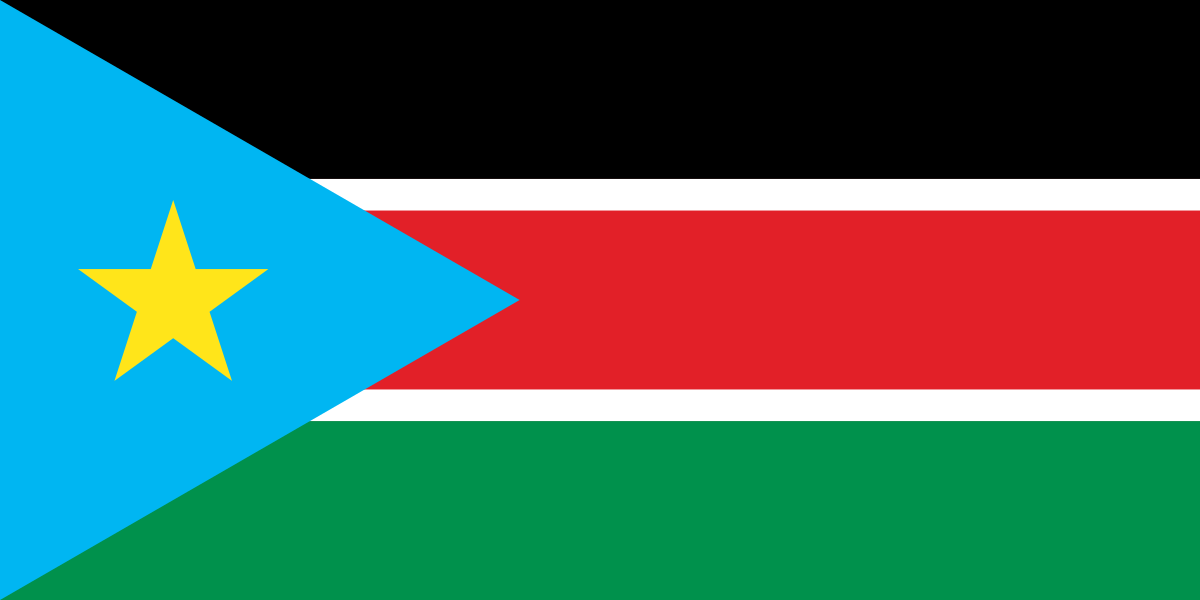
South Sudan establishes platform to curb hate speech, disinformation
Mr Foretia said efforts to combat disinformation must not compromise fundamental rights.

States
Two suspects arrested, weapons recovered in operation targeting criminals in Delta
The police said the suspects were in custody and investigations ongoing.
Health
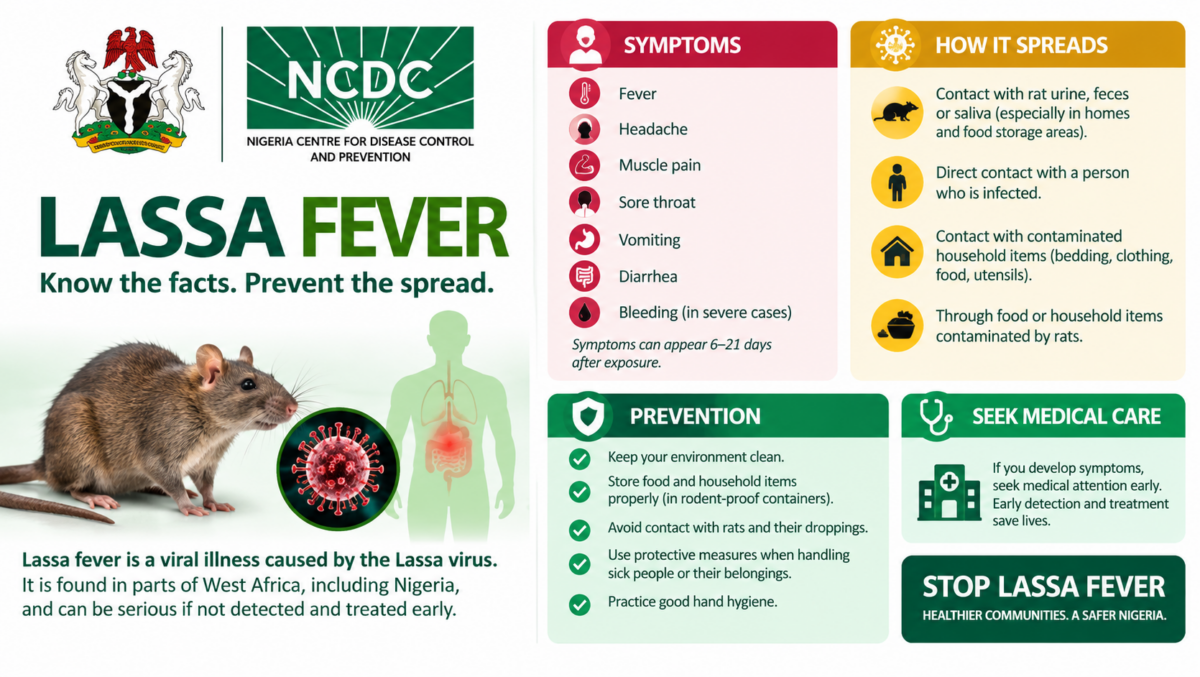
1,138 Lassa fever cases, 268 deaths recorded in 2026: NCDC
The NCDC stated, “In total for 2026, 24 states have recorded at least one confirmed case across 119 Local Government Areas.”


