

Omoyeni Disu: What it takes to build an African luxury brand for a global market
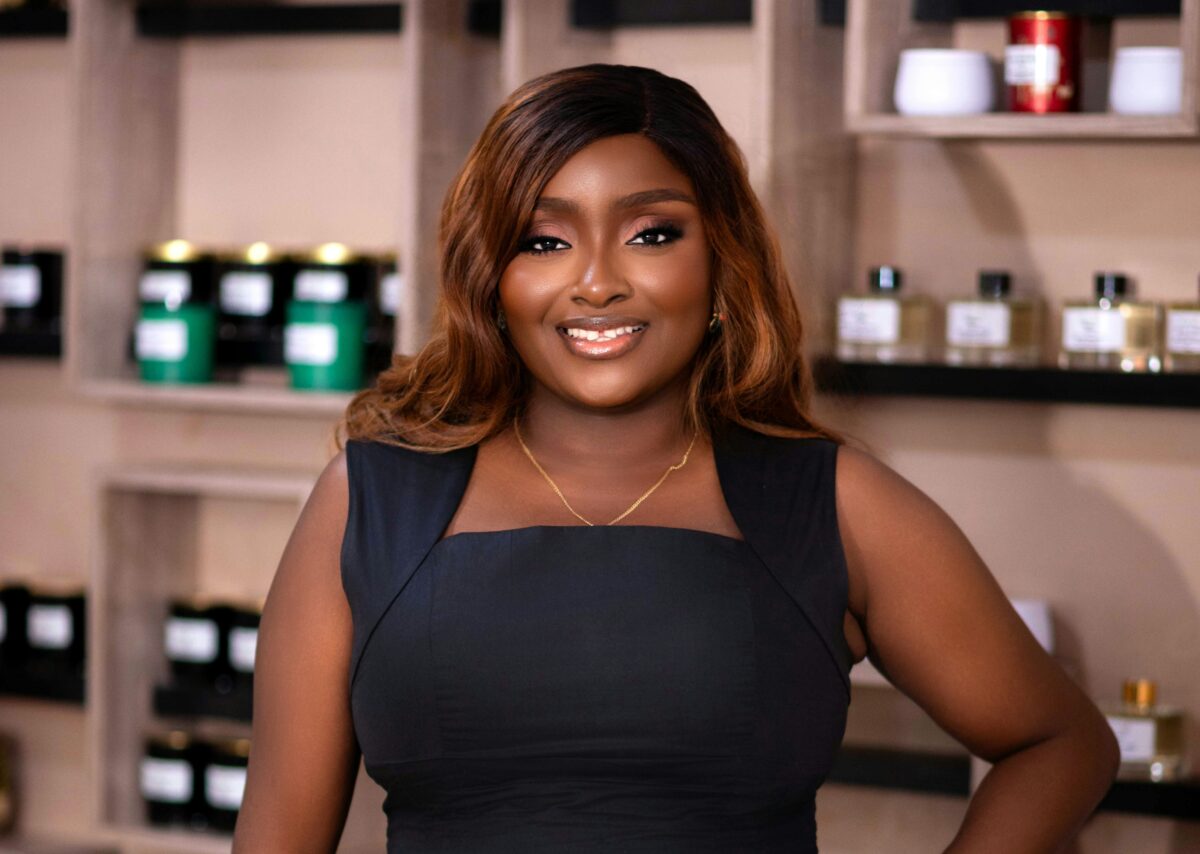
Conversations about luxury have long been shaped largely by brands and traditions established outside Africa. In reality, luxury is not exclusive to any geography. It is an expression of craftsmanship, design, quality and the ability to create experiences that people value.
When I started Mwanga Africa, I was drawn to the idea that something as simple as a scent could change how a person experiences a space. A candle, a diffuser or an arrangement of flowers could make a home feel warmer, create a moment of calm or turn an ordinary day into something special. That belief became the foundation of the business.
Building Mwanga has since deepened my understanding of what it takes to turn an idea into a lasting brand. I have come to appreciate that creating something beautiful, delivering an experience customers trust and building a business that can compete beyond its home market are three different challenges. They are also connected.
For African entrepreneurs building premium consumer brands, I believe the opportunity lies in understanding all three. One of the first things I have learnt is that a beautiful product is not the same as a sustainable business. Creativity may inspire the original idea, but it takes much more to keep it alive. A business must be able to produce consistently, manage its costs, maintain quality and make decisions that allow it to survive changing circumstances.
In Nigeria, these responsibilities come with particular pressures. Exchange-rate fluctuations, rising production costs, dependence on imported materials, energy expenses and logistics challenges can make it difficult to maintain standards while keeping a business commercially viable. A product that is carefully conceived today may cost significantly more to produce tomorrow. A supply arrangement that works at one stage of growth may become inadequate at another.
These realities require founders to think beyond the immediate appeal of what they are creating. They must understand the economics of their products, build dependable supplier relationships, plan carefully and establish processes that protect quality. They must also recognise when a short-term cost-saving decision could weaken the business in the long run.
I have become increasingly aware that a brand’s ambition must be matched by the strength of the business supporting it. It is not enough to know what we want a brand to represent. We must build the capacity to sustain that promise.
The second lesson is that customers must experience the promise, not simply admire it.
In the fragrance and lifestyle market, a customer might discover Mwanga Africa through the look of a candle, the scent of a diffuser or the atmosphere of a beautifully curated space. But the relationship with the brand does not end at discovery. It continues through product quality, the service surrounding the purchase and the confidence that the experience will remain consistent.
This is true across premium consumer categories. Whether a business sells fashion, skincare, food or homeware, customers paying a premium expect the product to justify the price. They expect attention to detail, reliable service and a level of quality that does not depend on when or where they make their purchase.
African consumers deserve these standards just as much as consumers anywhere else. We should not expect people to overlook shortcomings simply because a brand is locally owned or carries an inspiring African story. Cultural pride and commercial accountability should reinforce each other, not compete.
For founders, this means focusing on what customers actually experience rather than relying entirely on how the brand presents itself. Compliments and visibility can be encouraging, but repeat purchases, referrals, complaints and customer feedback often reveal more about whether a business is delivering value.
A brand earns trust when its actions consistently support its promises. That trust is particularly important for a business seeking to build a loyal customer base rather than depend on the excitement surrounding a new product or launch.
The third lesson concerns what it really means to build for a global market. I am intentionally building Mwanga Africa to be proudly African and globally relevant. I believe our cultural experiences, creative perspectives and understanding of beauty can inspire distinctive brands that have a place in international markets. We should not have to abandon our identity to compete beyond our borders.
But being African, in itself, does not make a brand globally competitive. Our stories can attract attention, and our origins can give our products a distinctive character, but customers ultimately need reasons to choose those products beyond where they come from.
That means taking quality, design, product performance, pricing and customer experience seriously. It means understanding each market’s requirements, the cost of serving it and the distribution capabilities needed to reach customers reliably. International visibility may introduce a brand to new audiences, but it cannot compensate for a business unprepared to serve them.
This is why I believe global ambition must be built into the business from the beginning. It should influence the standards we set, the partners we choose, the capabilities we develop and how we think about growth. Expanding into new markets is not simply about making a product available elsewhere; it is a commitment to meeting customer expectations in a different operating environment.
For African luxury brands, the task is therefore not to imitate established international brands or to rely on the appeal of our origins. It is to combine the creativity and cultural distinction we possess with the discipline required to build enduring businesses.
My experience with Mwanga Africa continues to reinforce my belief in the power of beautiful things to enrich everyday life. But I have also learnt that an idea’s lasting value depends on what we build around it: the quality we protect, the trust we earn and the decisions that determine whether the business can endure.
Africa does not lack the imagination to create brands the world will notice. Our opportunity is to build the businesses that will give the world reasons to keep choosing them.
- Omoyeni Disu is an entrepreneur, film producer and CEO of Glitter Girl Innovations Limited, the parent company of Mwanga Africa, a luxury fragrance and lifestyle brand.

We have recently deactivated our website's comment provider in favour of other channels of distribution and commentary. We encourage you to join the conversation on our stories via our Facebook, Twitter and other social media pages.

More from Peoples Gazette

States
Independence: NBA urges Nigerians to expect better future
The NBA said that ordinary Nigerians should be deriving benefit from the subsidy removal rather than hardship.

Agriculture
FG tasks ECOWAS on leveraging financing strategies for agroecology
The federal government has urged stakeholders in the agriculture and finance sectors in the West Africa region to leverage financing strategies to enhance agroecology practices

Politics
Katsina youths pledge to deliver over 2 million votes to Atiku
“Katsina State is Atiku’s political base because it is his second home.”
Heading 2
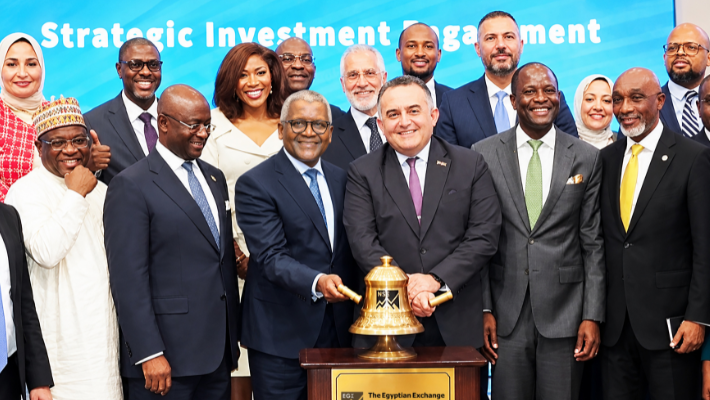
51 African nations participate in our IPO; offer emerges as first truly Pan-African: Dangote Refinery
Mr Erden said, “This offering represents far more than a capital-raising exercise.”

Lagos
Pan-African Games: Riverbank School wins boys’, girls’ titles
Mr Payne said the games enabled young athletes to showcase their abilities.

World
Senator Slotkin vows to ‘go after’ Trump admin staffers to deter young Americans from accepting jobs
Ms Slotkin said prosecuting Mr Trump’s loyalists was a priority on her to-do list if Democrats win a majority of seats in the midterm polls.
Opinion
Omoyeni Disu: What it takes to build an African luxury brand for a global market
Being African, in itself, does not make a brand globally competitive…customers ultimately need reasons to choose those products beyond where they come from.
States
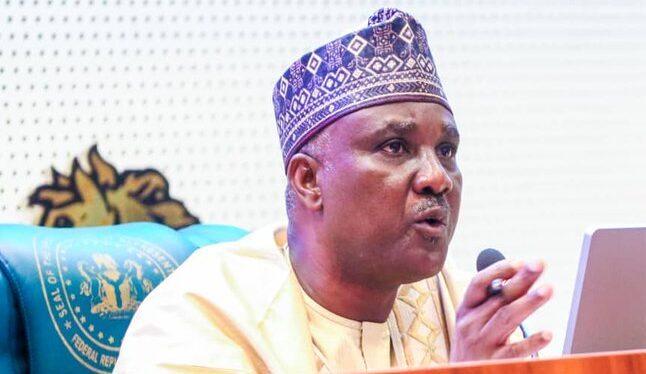
Speaker Abbas inaugurates projects in Kaduna LG
Mr Abbas said the interventions were designed to strengthen education, healthcare, infrastructure and community development in his constituency.

World
Trump endorses Netanyahu days before Israel’s election
Mr Trump, in his social media post on Sunday, praised Mr Netanyahu as a great warrior and prime minister.


