

On a wing and prayer
At the inauguration of the All Progressives Congress (APC) Presidential Campaign Council a few weeks ago, President Bola Ahmed Tinubu announced that he would limit his campaign visits to a handful of states so that he could devote more attention to the business of governance.
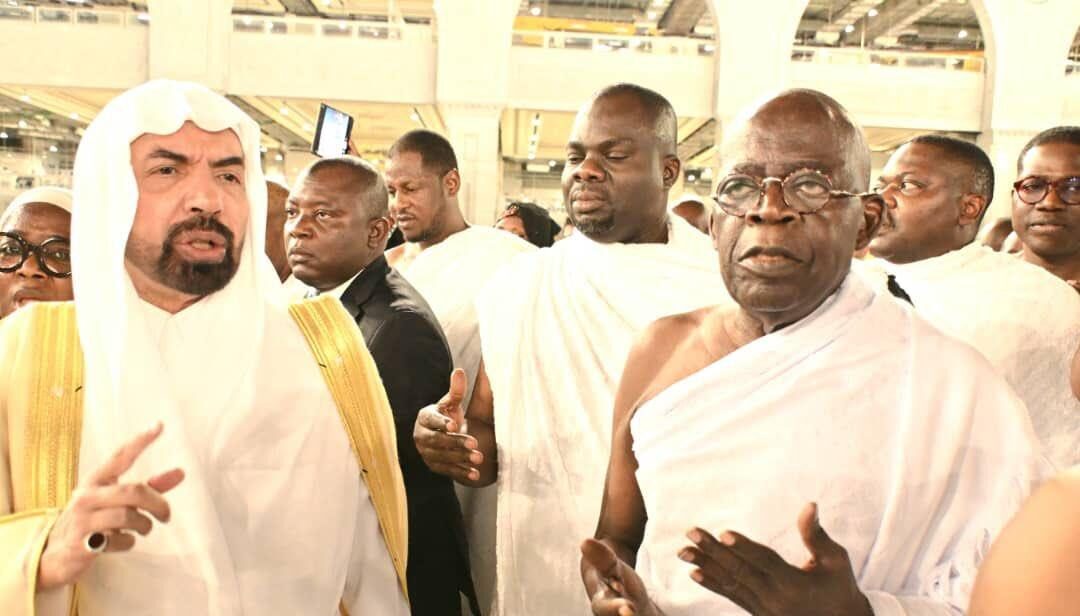
The announcement sounded reassuring, at least to those who still expect a president to govern rather than campaign endlessly for the privilege of remaining in office, although the promise has acquired a rather curious meaning following his recent decision to travel to Makkah, where his media handlers tell Nigerians he has gone on a spiritual visit to pray for the country.
Apparently, the business of governance can wait when the business of prayer calls, and the president who promised to spend more time attending to the affairs of state has found another destination for his attention, somewhere between the obligations of the presidency and the consolations of the holy land.
There is nothing objectionable about a president seeking divine intervention for his country, and nobody should begrudge Tinubu the right to practise his faith or make a pilgrimage to Islam’s holiest city, but the difficulty begins when prayer becomes the preferred language of political leadership in a country whose troubles are rooted in human decisions, public misconduct and the persistent failures of those entrusted with power to discharge their responsibilities.
Nigeria is not suffering from a shortage of prayers. The country has churches and mosques in abundance, religious gatherings that draw enormous crowds, and a population whose faith has endured circumstances that would have broken the spirit of citizens elsewhere.
What Nigeria desperately needs is a president who is capable of translating the sacrifices of citizens into tangible improvements in their lives, rather than one that appears increasingly persuaded that the Almighty can be summoned to repair the damage inflicted by poor political choices.
Tinubu’s journey to Mecca invites memories of another season in Nigerian public life when prayer was elevated into a political programme. General Yakubu Gowon, having lost power in the military coup of July 1975, eventually emerged as the driving force behind a movement that became known as Pray for Nigeria.
The former military ruler, who had presided over Nigeria during the civil war and the early years of the oil boom, turned to prayer as a means of encouraging national renewal. There was nothing inherently sinister about the enterprise, and its participants were entitled to their convictions, but the movement offered a revealing glimpse into the Nigerian habit of reaching for spiritual explanations when the failures of political authority demand a more uncomfortable examination.
The problems Gowon encouraged Nigerians to pray against did not disappear with the growth of the movement. The country continued to wrestle with corruption, the consequences of military rule and the political choices that weakened its institutions, while the promise of national redemption remained suspended somewhere between heaven’s mercy and the earthly conduct of its rulers.
The lesson should have been obvious: prayer may sustain a people through adversity, but it cannot substitute for the decisions required to overcome it. A nation does not become less corrupt because its leaders pray against corruption, and a public institution does not become more accountable because its occupants invoke the name of God.
The Almighty has never been appointed Nigeria’s Auditor-General, nor has He assumed responsibility for the failures of the Federal Executive Council.
The Pray for Nigeria tradition has now acquired something approaching the presidential seal, with Tinubu’s pilgrimage offering the latest instalment in our long-running romance with divine intervention.
One can almost imagine the president returning from Makkah with renewed spiritual strength, ready to confront the same economic distress that has made ordinary life punishing for millions of Nigerians. The high cost of living will presumably await his return, as will the insecurity that haunts communities, the unemployment that diminishes the prospects of young people and the public anger generated by a government whose demands for sacrifice appear far more convincing than its demonstrations of shared hardship.
Perhaps, the president’s prayers will produce a miracle, although Nigerians would be forgiven for preferring the less spectacular miracle of affordable food, reliable electricity and a government that takes their suffering seriously.
Tinubu has an unfortunate tendency to approach the presidency as though the possession of power were sufficient evidence of the capacity to govern. His administration has demanded sacrifices from Nigerians through economic reforms whose costs have been immediate and punishing, while the promised benefits remain elusive for households struggling to keep themselves afloat.
The president cannot ask citizens to endure hardship in the name of economic recovery and then expect religious symbolism to answer questions about the distribution of that hardship. When citizens see the extravagance of political office alongside the anxiety of their daily existence, a presidential pilgrimage cannot dissolve their doubts about the sincerity of the sacrifices being demanded of them.
There is also something politically convenient about the growing attraction of prayer among rulers confronted by the consequences of their own decisions. Prayer places the supplicant before a higher authority, but the presidency is answerable to Nigerians under a Constitution that does not recognise divine intervention as a substitute for public accountability.
Tinubu was elected to govern the Federal Republic, not to lead a national prayer ministry from Aso Rock. His responsibility is to exercise the powers of his office in ways that improve the material conditions of the people, protect their rights and restore public confidence in the institutions of the state.
The president cannot outsource these obligations to heaven and return to Abuja expecting the country to mistake spiritual devotion for political achievement.
The irony is that Tinubu had already told Nigerians he intended to spend less time campaigning in order to concentrate on governance. His journey to Makkah now invites the question of what exactly he intends to concentrate on when he returns, and whether the business of governing has become so forbidding that prayer offers a more attractive alternative.
A president who wishes to be remembered for transforming Nigeria must do more than demonstrate his capacity to travel in search of spiritual renewal. He must show that the authority entrusted to him can be used to make life less precarious for the citizens in whose name he prays.
Nigeria needs prayer, if that is what its citizens believe will sustain them, but the country needs a competent government much more urgently. Gowon’s movement did not pray Nigeria out of its troubles, and Tinubu should not imagine that a pilgrimage will absolve him of the obligation to confront ours.
The presidency is not a waiting room in which a ruler can sit until heaven delivers a solution to problems that require earthly action. Tinubu has the power to change the direction of government, and Nigerians are entitled to judge him by what he does with that power.
For a president who promised to concentrate on governance, the journey to Makkah is an awkward reminder that the distance between political promises and actual governance can be measured in more than air miles.
Tinubu may return with a lighter heart and a renewed sense of spiritual purpose, but Nigeria cannot afford to be governed on a wing and prayer.
- Abdul Mahmud, a human rights attorney in Abuja, writes weekly for The Gazette

We have recently deactivated our website's comment provider in favour of other channels of distribution and commentary. We encourage you to join the conversation on our stories via our Facebook, Twitter and other social media pages.

More from Peoples Gazette

States
Independence: NBA urges Nigerians to expect better future
The NBA said that ordinary Nigerians should be deriving benefit from the subsidy removal rather than hardship.

Agriculture
FG tasks ECOWAS on leveraging financing strategies for agroecology
The federal government has urged stakeholders in the agriculture and finance sectors in the West Africa region to leverage financing strategies to enhance agroecology practices

Politics
Katsina youths pledge to deliver over 2 million votes to Atiku
“Katsina State is Atiku’s political base because it is his second home.”
States
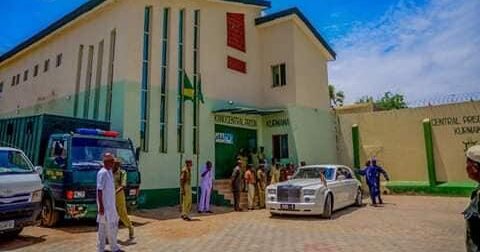
NCoS foils drug smuggling attempt into Kano custodial centre
The Nigerian Correctional Service says it foiled an attempt to smuggle suspected Indian hemp into the Medium Security Custodial Centre, Kurmawa, in Kano.
Economy
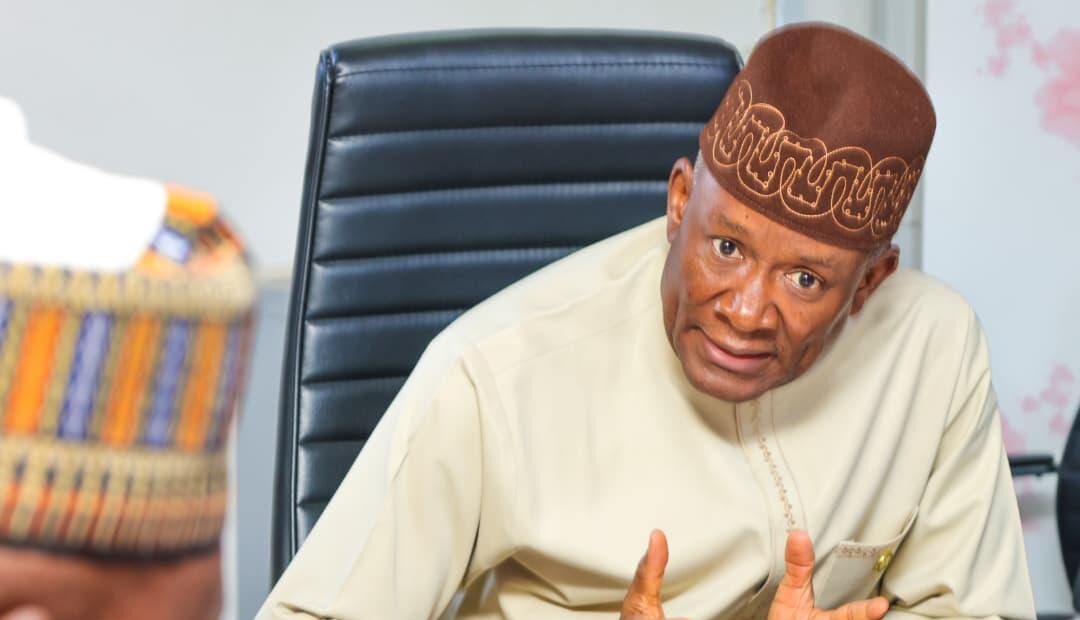
MSMEs account for 96% of Nigerian businesses, generate 87% of jobs, says FG
The Minister of State for Industry, John Owan-Enoh, says Micro, Small and Medium Enterprises account for 96 per cent of businesses in Nigeria.
Faith
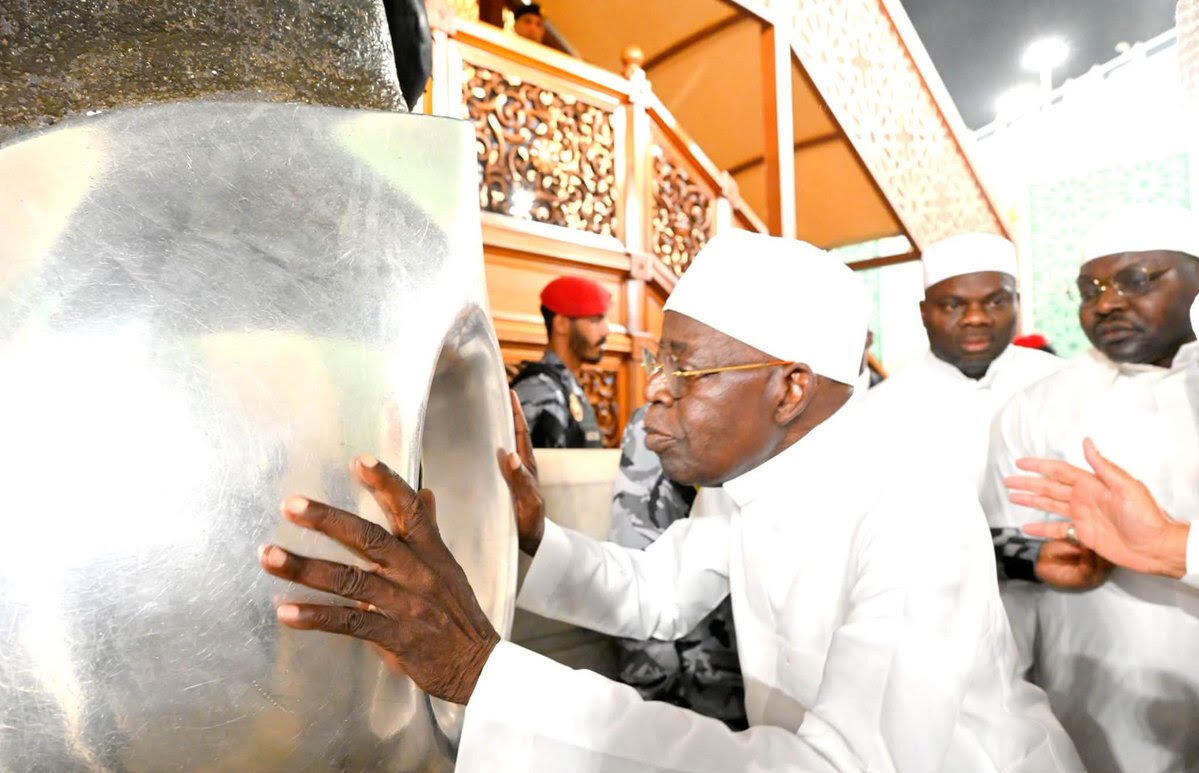
Tinubu excited as Saudi crown prince lets him enter Ka’abah
President Bola Tinubu has said Nigeria will overcome its myriad challenges, terrorism, insecurity, rising poverty and hunger, amongst others, by faith in almighty God.
Opinion
On a wing and prayer
Tinubu was elected to govern the Federal Republic, not to lead a national prayer ministry from Aso Rock.
Sport
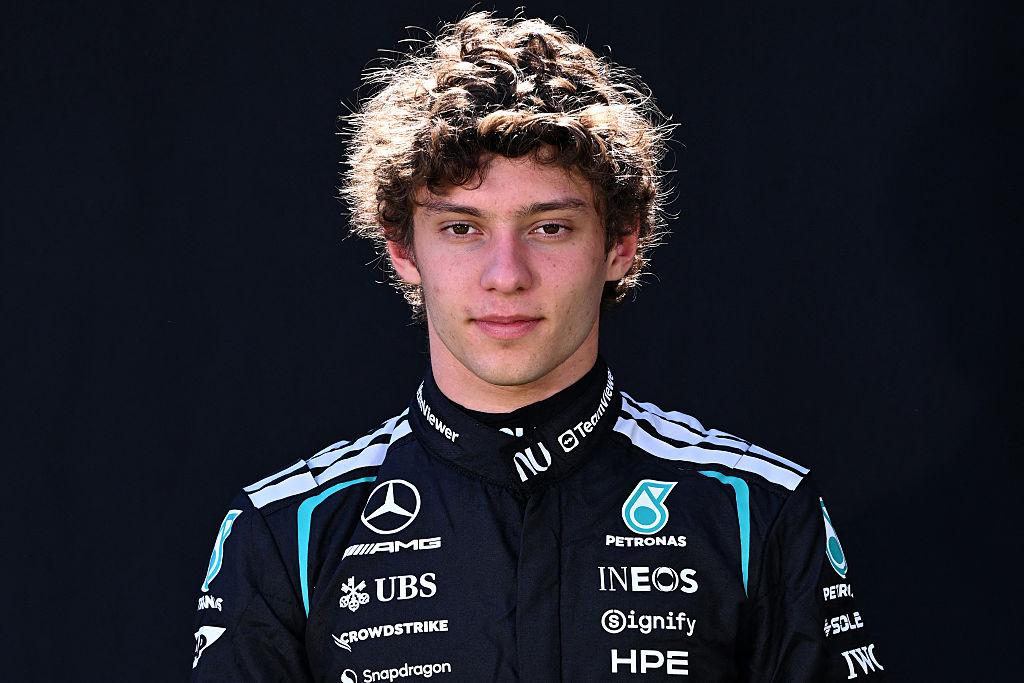
Kimi Antonelli becomes youngest Formula 1 champion in history
Antonelli, who also became Italy’s first F1 world champion since 1953, when Alberto Ascari achieved the feat, has won nine of 19 races so far this season.
World
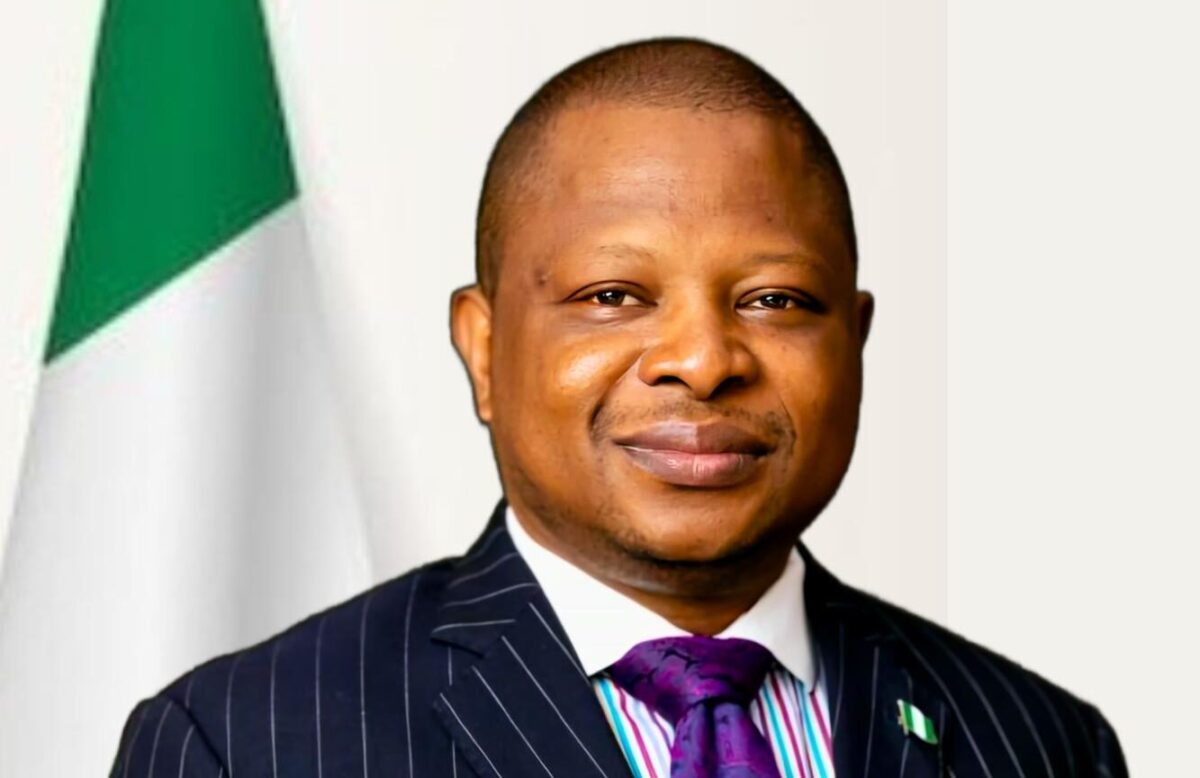
Consul general lauds organisation for advancing disability inclusion
Nigeria’s consul general in New York has lauded the non-profit organisation The Arc Mercer for advancing disability inclusion.


