

One billion people including Nigerians suffering from hypertension: The Lancet

One billion people, including Nigerians, are currently suffering from hypertension, a recent study by The Lancet has revealed.
It noted that the number of adults living with hypertension had doubled the earlier recorded statistics with an estimate of 331 million women and 317 million men in 1990, to 626 million women and 652 million men in 2019.
However, more than half of people living with hypertension worldwide were untreated in 2019, according to the team of researchers from the Non-Communicable Disease Risk Factor Collaboration, who analysed the prevalence, diagnosis, and treatment in 200 countries for over 30 years.
World Health Organisation funded the study.
“Despite being straightforward to diagnose and relatively easy to treat with low-cost drugs, nearly half of people (41 per cent of women and 51 per cent of men) with hypertension worldwide in 2019 were unaware of their condition; and more than half of women (53 per cent) and men (62 per cent) with the condition weren’t treated,” the study pointed out.
Lead researcher, Majd Ezzati of the Imperial College London, complained that the global progress in hypertension management had been slow despite medical and pharmacological advances over decades.
“These successes show that preventing high blood pressure and improving its detection, treatment, and control are feasible across low- and middle-income settings if international donors and national governments commit to addressing this major cause of disease and death,” Mr Ezzati.
He noted that “policies that enable people in the poorest countries to access healthier foods—particularly reducing salt intake and making fruit and vegetables more affordable and accessible—alongside improving detection by expanding universal health coverage and primary care.
Co-researcher Leanne Riley from WHO in Switzerland further explained that “low detection and treatment rates that persist in the world’s poorest nations,” coupled with the rising number of people who have hypertension, “will shift an increasing share of the burden of vascular and kidney diseases to sub-Saharan Africa, Oceania, and South Asia.”

We have recently deactivated our website's comment provider in favour of other channels of distribution and commentary. We encourage you to join the conversation on our stories via our Facebook, Twitter and other social media pages.

More from Peoples Gazette

Agriculture
FG tasks ECOWAS on leveraging financing strategies for agroecology
The federal government has urged stakeholders in the agriculture and finance sectors in the West Africa region to leverage financing strategies to enhance agroecology practices

Politics
Katsina youths pledge to deliver over 2 million votes to Atiku
“Katsina State is Atiku’s political base because it is his second home.”

Anti-Corruption
Group dismisses corruption allegations against senior EFCC officer
The ACCN urged Mr Olukoyede to identify those peddling lies against Mr Folarin.
Africa
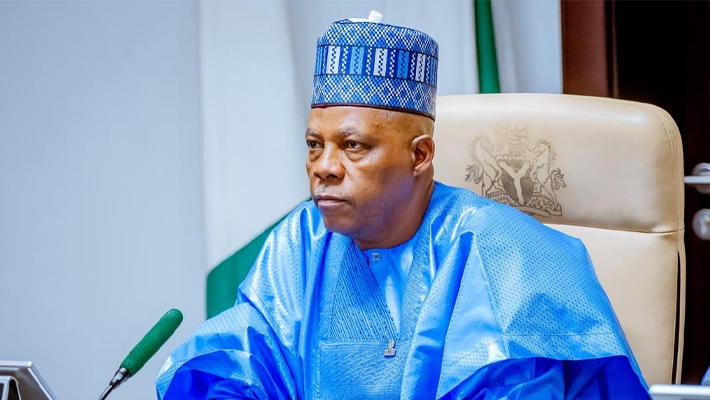
Shettima tasks new ECOWAS leadership on regional integration
Mr Shettima assured Mr Diop of Nigeria’s continuous cooperation and support.
Africa
Police discover tenth female corpse in South Africa
The ENCA news reported that the body was found inside the Mooifontein Cemetery in Tembisa near an Informal Settlement.
NationWide
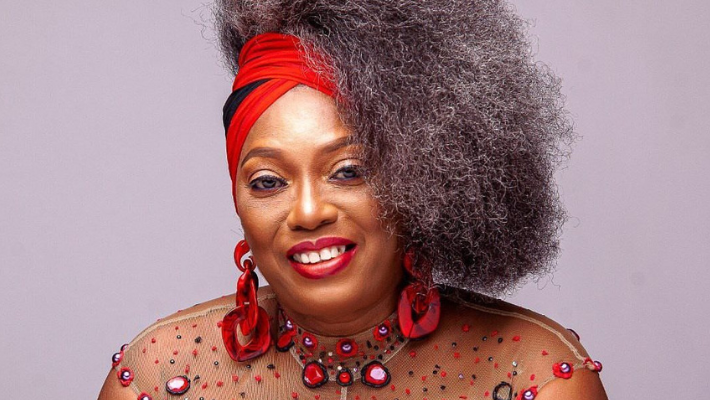
Yeni Kuti unveils activities for 2026 Felabration
Ms Kuti spoke during an interview on Saturday in Lagos, ahead of the 2026 edition of the annual festival.
Heading 1
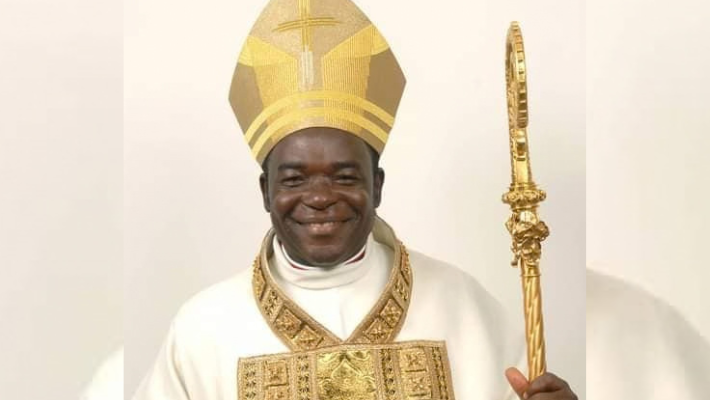
Choose credible leaders in 2027; nobody forcing candidates on you, Kukah tells Nigerians
The cleric urged Nigerians to vote to stay alive.

States
Robbery suspect nabbed with pistol during stop-and-search operation in Oyo
The police said the firearm and ammunition were immediately secured as exhibits.


