

One in 10 people who need palliative care gets it: WHO

World Health Organisation (WHO) says global demand for care for people with life-threatening illnesses will continue to grow as populations age and the burden of non-communicable diseases rise.
According to the UN health agency, by 2060, the need for palliative care is expected to nearly double.
To address this need, the agency released two new resources to support countries in assessing the development of palliative care and improving the quality of services.
The resources were released in advance of World Hospice and Palliative Care Day, marked on October 9, 2021.
One of the resources is a technical report with indicators that countries can use to monitor the provision of services. The goal is to create a global consensus on indicators, providing data that supports decision-making.
The second is a technical brief that includes practical approaches and resources to support policy, strategy, and practice. The brief guides action at the national, district level, and point of care.
To date, the monitoring of palliative care services has been most often done by assessing the consumption of opioid analgesics. For WHO, though, opioids are only one component.
The agency believes that shared data across countries will provide a clearer picture of global needs and challenges, such as inequity. Measurement will also help identify success stories and best practices from other countries.
Each year, it is estimated over 56.8 million people, including 25.7 million in the last year of life, need palliative care. Around 78 per cent of those people live in low and middle-income countries.
For WHO, the COVID-19 pandemic has highlighted the need for this type of care to relieve suffering at the end of life, such as the physical suffering caused by breathlessness or mental pain.
The agency argued that optimal care required a supportive policy environment, empowered communities, palliative care research, access to essential palliative care medicines, strong education and training systems.
For WHO, “palliative care is a human right and a moral imperative of all health systems.”
(NAN)

We have recently deactivated our website's comment provider in favour of other channels of distribution and commentary. We encourage you to join the conversation on our stories via our Facebook, Twitter and other social media pages.

More from Peoples Gazette

States
Independence: NBA urges Nigerians to expect better future
The NBA said that ordinary Nigerians should be deriving benefit from the subsidy removal rather than hardship.

Agriculture
FG tasks ECOWAS on leveraging financing strategies for agroecology
The federal government has urged stakeholders in the agriculture and finance sectors in the West Africa region to leverage financing strategies to enhance agroecology practices

Politics
Katsina youths pledge to deliver over 2 million votes to Atiku
“Katsina State is Atiku’s political base because it is his second home.”

Heading 4
115 million Nigerians benefiting from Gavi’s solarisation of 371 health facilities
The organisation stated that solarisation provides clean, reliable and sustainable energy to health facilities.

Hot news Home top
Bala used to beg for transport fare to attend ADC meetings; after going to court, he bought three bulletproof SUVs: Nwosu
According to him, Mr Gombe’s lifestyle changed after the legal dispute began.

States
NYSC members in Oyo receive October allowance after payment delay
The NYSC had attributed the delay to a technical glitch.

Heading 5
Ogun: Yayi pledges 24-hour power supply, infrastructure projects in Abeokuta
The CDC chairman described Mr Adeola as an experienced politician with the capacity to lead the state.
Education
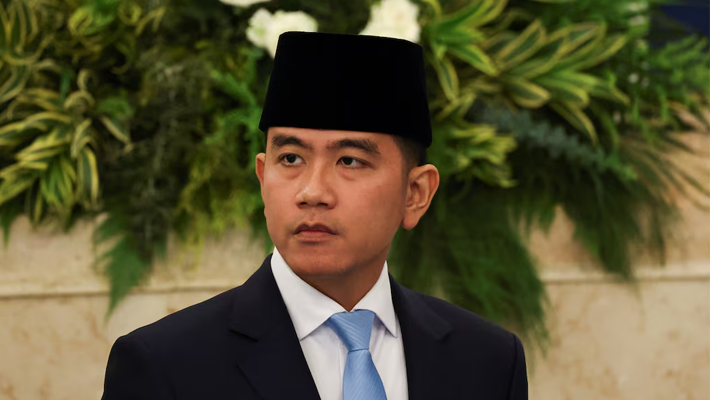
Indonesia’s VP considers resignation over education qualification scandal
Mr Gibran, 39, is the son of former Indonesian President Joko Widodo.

Lagos
Lagos targets additional 2,000MW electricity supply by March 2027
Mr Sanwo-Olu said reliable electricity remained fundamental to economic growth.


