

Open Defecation: UNICEF advocates citywide inclusive sanitation in Nigeria

The United Nations Children’s Fund (UNICEF) has called for Citywide Inclusive Sanitation (CWIS) as a sustainable strategy to achieve universal access to safe sanitation in the country.
Water, Sanitation, and Hygiene (WASH) Specialist at the UNICEF Lagos Field Office, Monday Johnson, made the call on Wednesday at a two-day media dialogue in Ilaji town, Oyo State, to improve urban sanitation in Nigeria.
The workshop was organised by the Oyo State Ministry of Information in collaboration with UNICEF to equip media professionals with the knowledge and skills to raise advocacy in support of WASH services.
Participants in the media dialogue were drawn from the six South-West states and Edo State.
Mr Johnson said an inclusive sanitation strategy would protect public health and unlock the economic benefits of waste management in urban areas.
On how the CWIS model works, the WASH expert said that the strategy is flexible and adaptable to different settlement types, from high-income areas to informal settlements.
“You cannot apply the same sanitation solution for high-income and low-income settlements.
CWIS defines what kind of facilities are appropriate for each area, ensuring that everyone, rich or poor, has safe and affordable access to sanitation,” he said.
According to him, CWIS strengthens governance and accountability by clearly defining the roles of each agency and establishing regulatory frameworks to monitor private sector participation.
The UNICEF WASH specialist called on governments at all levels to adopt and fund the strategy for its inherent advantages.
He noted that the CWIS approach, already being implemented in some developing countries, guarantees sanitation access for all urban residents while promoting health, environmental protection, economic growth, and gender equity.
“CWIS ensures access for all, protects public health, safeguards the environment, enhances urban resilience, and strengthens governance and accountability. It also promotes gender equity and dignity and supports the achievement of Sustainable Development Goal 6 (SDG 6), ensuring availability and sustainable management of water and sanitation for all,” he said.
Mr Johnson said that the country’s slow progress in sanitation was due to weak institutional capacity, inadequate human resource development and poor urban sanitation data.
“We are really not moving very fast because there are big institutional and human resource capacity gaps. More people need to be trained on urban sanitation management, and the institutions need to be strengthened. We do not have reliable urban sanitation data in Nigeria.
“Without good data, planning becomes difficult. The government must use this evidence to reform policies and reconstruct strategies,” he said.
Mr Johnson emphasised that sanitation was not just a health issue but also an economic opportunity if properly managed through the sanitation value chain.
(NAN)

We have recently deactivated our website's comment provider in favour of other channels of distribution and commentary. We encourage you to join the conversation on our stories via our Facebook, Twitter and other social media pages.

More from Peoples Gazette

States
Independence: NBA urges Nigerians to expect better future
The NBA said that ordinary Nigerians should be deriving benefit from the subsidy removal rather than hardship.

Agriculture
FG tasks ECOWAS on leveraging financing strategies for agroecology
The federal government has urged stakeholders in the agriculture and finance sectors in the West Africa region to leverage financing strategies to enhance agroecology practices

Politics
Katsina youths pledge to deliver over 2 million votes to Atiku
“Katsina State is Atiku’s political base because it is his second home.”

Kano
Kano govt to shut non-compliant schools in revalidation exercise
Mr Abubakar-Umar said free registration forms had been distributed to school proprietors to facilitate data collection.
Abuja
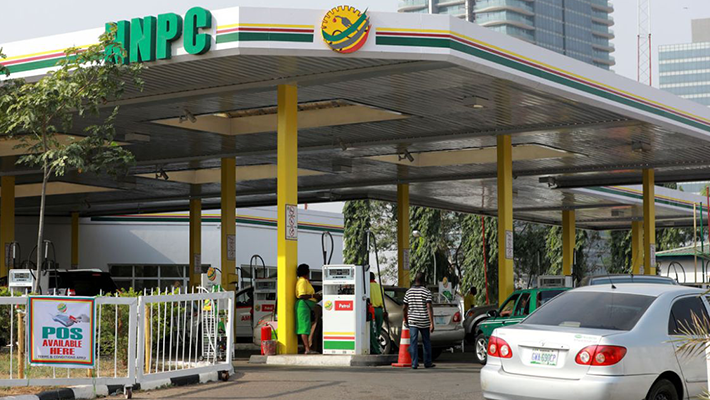
Abuja motorists decry continued hike in petrol prices
The motorists said petrol prices had continued to rise despite the federal government’s assurance to cushion the impact on consumers.

World
Human Rights Watch warns Burundi set to win UNHRC seat unopposed despite killings, disappearances
Human Rights Watch said Burundi had yet to implement reforms to address human rights abuse concerns.
NationWide
NHRC urges FG to expand access to mental health care
“We also urge the full implementation of the National Mental Health Act and Policy, with clear accountability,” Mr Ojukwu said.

States
NDLEA arrests 108 suspects, seizes 1.8 tonnes of illicit drugs in Kaduna
NDLEA said cannabis sativa accounted for the largest quantity, with 1,874.843 kilogrammes seized during the operations.

States
PHED blames higher electricity bills on feeder upgrades
The PHED official said some customers were experiencing higher tariffs following the migration of their feeders to Band A.


