

Ousted Burkina Faso’s military leader gives conditions to resign after coup
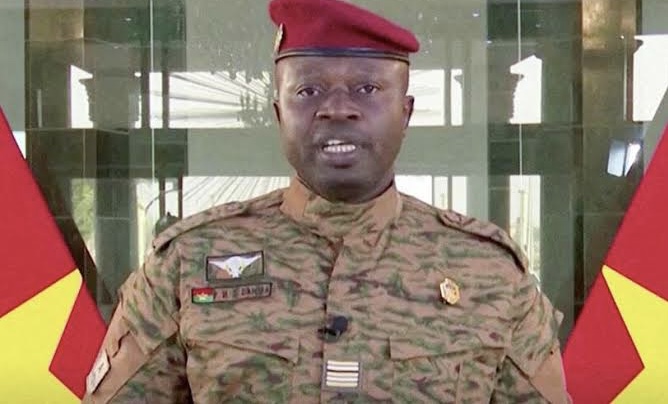
Burkina Faso’s ousted military leader Paul-Henri Sandaogo Damiba has agreed to resign two days after army officers announced the country’s second coup.
Al Jazeera reports that Mr Damiba “offered his resignation in order to avoid confrontations with serious human and material consequences” on Sunday.
Mr Damiba provided “seven conditions” for his resignation. These conditions include a guarantee of security for his allies in the military, “a guarantee of his security and rights”, and assurance that the new military leaders will respect the pledge he gave to West Africa’s regional bloc for a return to civilian rule within two years.
The Citizen reported, based on unnamed diplomatic sources, that Mr Damiba had fled to Togo’s capital Lome on Sunday.
Last Friday, Peoples Gazette reported soldiers on the streets and heavy gunfire near the main military camp and residential areas of Burkina Faso’s capital. Explosions were also heard near the presidential palace.
Captain Ibrahim Traore then announced that he had ousted Mr Damiba, dissolved the government and suspended the constitution and transitional charter. He said a group of officers decided to remove Mr Damiba over his inability to deal with a worsening Islamist insurgency.
This is the second coup seen by the African country since January. On January 22, police in the capital Ouagadougou clashed with protesters at a banned protest over the government’s handling of its insecurity concerns which it has battled since 2015.
On January 24, President Roch Marc Christian Kabore was arrested by soldiers after gunshots were heard near his private residence.
In February, Coup leader Paul-Henri Sandaogo Damiba was inaugurated as president on February 16. In March, the military junta signed a charter establishing a three-year transition period before the country would hold its elections.
Mr Damiba travelled to New York, where he addressed the United Nations General Assembly. In his speech, Mr Damiba defended his January coup as “an issue of survival for our nation,” even if it was ”perhaps reprehensible” to the international community.

We have recently deactivated our website's comment provider in favour of other channels of distribution and commentary. We encourage you to join the conversation on our stories via our Facebook, Twitter and other social media pages.

More from Peoples Gazette

States
Independence: NBA urges Nigerians to expect better future
The NBA said that ordinary Nigerians should be deriving benefit from the subsidy removal rather than hardship.

Agriculture
FG tasks ECOWAS on leveraging financing strategies for agroecology
The federal government has urged stakeholders in the agriculture and finance sectors in the West Africa region to leverage financing strategies to enhance agroecology practices

Politics
Katsina youths pledge to deliver over 2 million votes to Atiku
“Katsina State is Atiku’s political base because it is his second home.”

Politics
Stop sending money to relatives at home; tell them to vote for competent leaders, Obi tells Nigerians abroad
Mr Obi decried Nigeria’s situation, noting that the country’s prevailing economic hardship resulted from bad leadership.

States
Diesel-laden tanker falls from Otedola Bridge, catches fire
LASTMA said two casualties were recorded as a result of the accident, causing a traffic gridlock on the bridge.

NationWide
Minister urges Nigerians to adopt water-saving, climate-smart handwashing methods
The minister urged the youth to use digital platforms, videos and social media campaigns to promote handwashing.
Education
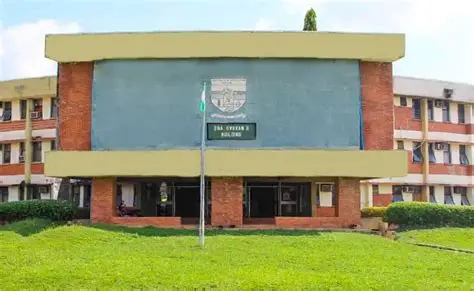
JOSTUM suspends proposed undergraduate school fees increment
The vice-chancellor added that the university remained committed to sustaining its development while prudently managing available resources.
Africa
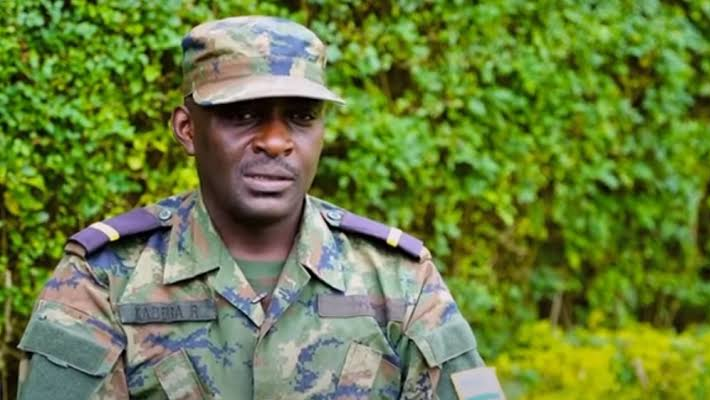
Another critic of Rwanda’s Kagame beheaded in exile
Ugandan police spokesperson Kituuma Rusoke on Monday said that Mr Kabera’s head had still not been recovered.
NationWide
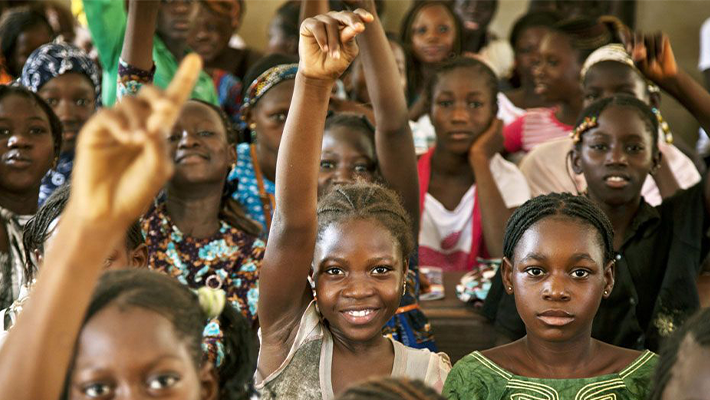
FG reaffirms commitment to girl-child education, empowerment
Ms Olatunji-David said the government was strengthening policies and programmes to improve girls’ access to education.


