

Over 4.7 million pupils sit on bare floors in Kano schools; Ganduje demolished classrooms for shops: Governor Yusuf
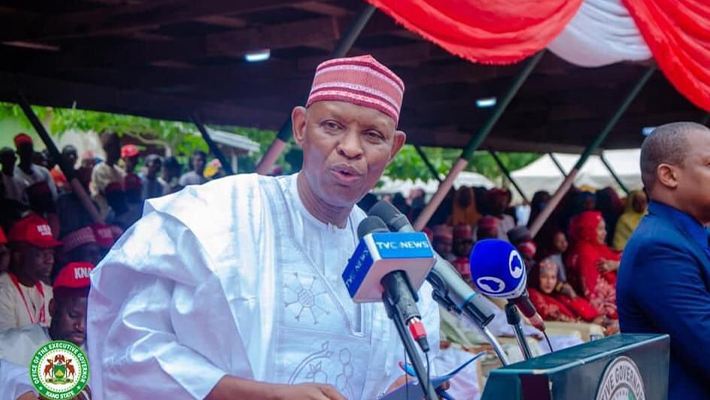
Governor Abba Yusuf of Kano State says it is unfortunate that his predecessor, Abdullahi Ganduje, did not do much to provide a conducive environment for teaching and learning in public schools in the state.
Mr Yusuf, while declaring a state of emergency on education on Saturday, said such action left 4.7 million students sitting on bare floors in primary schools across the state.
“Over 4.7 million pupils are forced to sit on bare floors to learn, while 400 schools have only one teacher for all classes and subjects,” he said.
The governor said basic teaching tools were lacking, resources were inadequate, and teachers and students struggled with outdated equipment.
“Teachers struggle with outdated and insufficient basic learning equipment, while clean water and sanitation are lacking in many schools,” he said.
He described the previous administration’s appropriation of school premises for private commercial ventures as a flagrant breach of communal trust.
“Rather than building more classrooms and providing basic furniture in the schools, as well as hiring more teachers, the administration we took over from chose to butcher the land belonging to those schools, in some places demolishing classrooms to create space for shops.
“Those schools that they could not sell, they closed them down and got them vandalised. The encroachment of public school lands and the conversion of these vital institutions into private business premises is an affront to our communal values and a direct assault on our commitment to public education.
“This reckless appropriation of educational spaces for commercial use is unacceptable and must stopped immediately,” he said.
Mr Yusuf said that with the support of critical stakeholders such as the National Union of Teachers, his administration would achieve the delivery of quality education through its institutions.
He said his administration would deploy enough resources to tackle the challenges of out-of-school children in the state.
“My administration is committed to making education a top priority and a lasting legacy for future generations,” he said.
(NAN)

We have recently deactivated our website's comment provider in favour of other channels of distribution and commentary. We encourage you to join the conversation on our stories via our Facebook, Twitter and other social media pages.

More from Peoples Gazette

States
Independence: NBA urges Nigerians to expect better future
The NBA said that ordinary Nigerians should be deriving benefit from the subsidy removal rather than hardship.

Agriculture
FG tasks ECOWAS on leveraging financing strategies for agroecology
The federal government has urged stakeholders in the agriculture and finance sectors in the West Africa region to leverage financing strategies to enhance agroecology practices

Politics
Katsina youths pledge to deliver over 2 million votes to Atiku
“Katsina State is Atiku’s political base because it is his second home.”
Economy
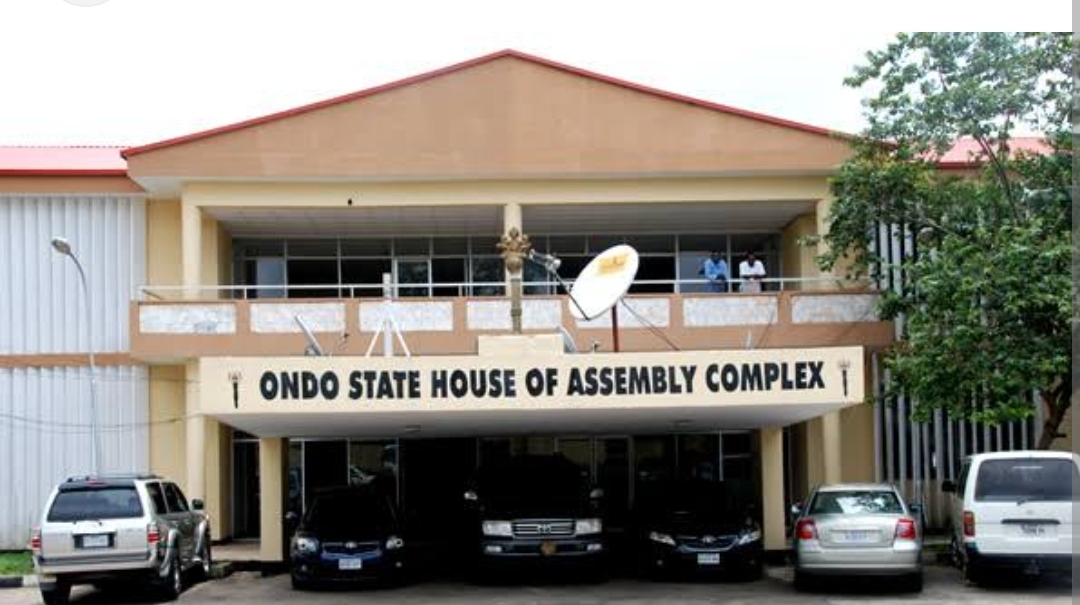
Ondo assembly seeks faster C of O processing to boost investment
The committee’s chairman, Abiola Oladapo, said efficient land administration was critical to creating an enabling environment for businesses.

Heading 4
Minister calls for greater involvement of oncology nurses in cancer care
The minister said cancer’s complexity made multidisciplinary collaboration essential.

Education
NOUN matriculates 70 inmates in Enugu custodial centre
Mr Nwakuche said the NCoS was committed to using education as an instrument for reformation.
Agriculture
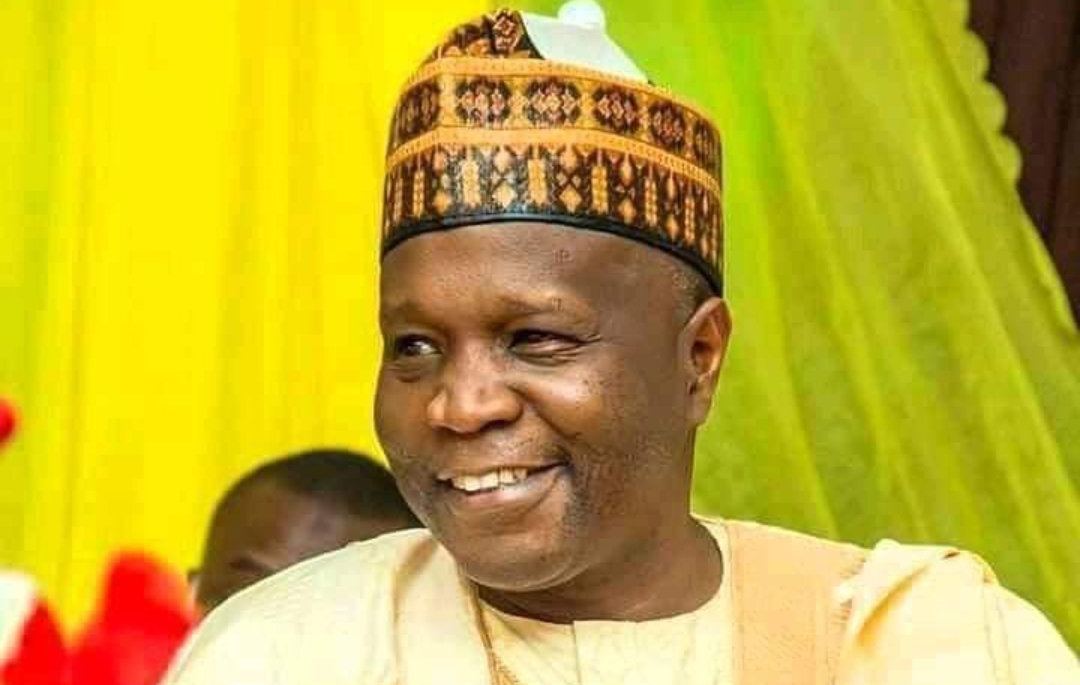
Gombe inaugurates state-wide livestock vaccination campaign
Mr Yahaya said the exercise was aimed at protecting animal health.
NationWide
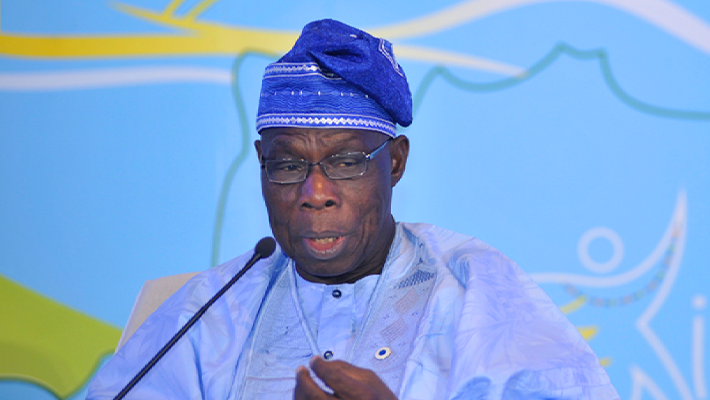
Asaba Massacre: Obasanjo urges forgiveness, reconciliation
He described the massacre as one of the most painful and terrible aspects of the Nigerian Civil War.
World
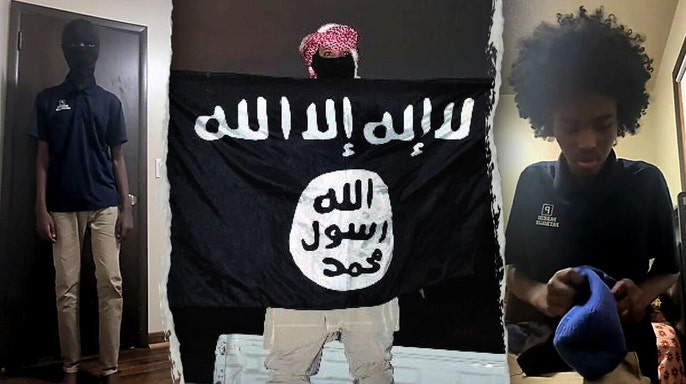
FBI nabs ISIS-linked Sheikhdoon Mohamud for plottting terrorist attack on Mall of America
He was arrested after buying an AK-47-style rifle, magazines and ammunition from an undercover FBI agent.


