

Over half of Nigerian children multi-dimensionally poor: Report
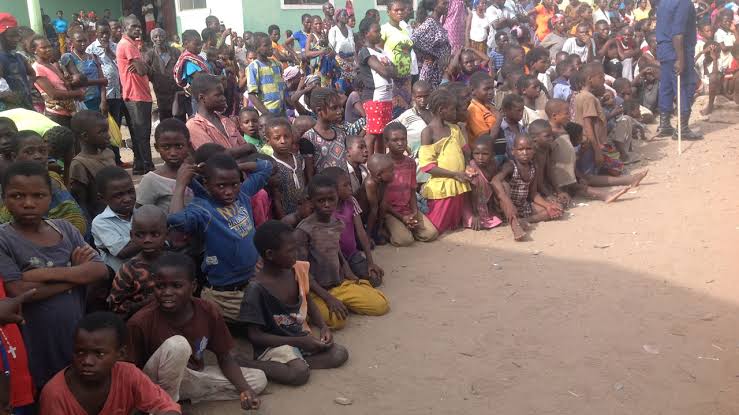
The Situation Analysis (SitAn) of Children in Nigeria Report has identified some reasons 53.9 per cent of children in the country are multi-dimensionally poor.
The report, launched during the 2024 World Children’s Day celebration on November 20, is a policy document prepared by the federal government with support from the United Nations Children’s Fund (UNICEF) to identify and understand specific child issues.
According to the report, corruption, unemployment, lack of political will, violence and insurgency, and inadequate investment in social sectors play significant roles in making Nigerian children poor.
It added that displacement and resettlement place additional pressure on existing resources, further exacerbating child poverty in Nigeria.
The report defined child poverty as “a situation where children experience deprivation of the material, spiritual and emotional resources needed to stay alive, develop and thrive, thus leaving them unable to enjoy their rights, achieve their full potential and participate as full and equal members of society.”
It stated that the seven poverty indicators for children are health, water, sanitation, nutrition, shelter, education, and information.
Explaining the multidimensional poverty index (MPI) analysis, the report noted that across the 36 states of the federation and the Federal Capital Territory (FCT), disparities exist in the multi-dimensional poverty of children.
It added that “in Osun State, the incidence of poverty was lowest at 17.5 per cent, the incidence of deprivation was 35.5 per cent, and the human development index (HDI) ranking was 14th in Nigeria.
“In Sokoto State, the incidence of poverty was very high at 89.9 per cent, the incidence of deprivation was 50.4 per cent, and the HDI ranking was 37 per cent.
“In Lagos State, poverty incidence was 27.8 per cent, the incidence of deprivation was 36.8 per cent, while the HDI ranking was one per cent.”
The report indicated that when disaggregated by rural and urban, 29.7 per cent of urban children were multi-dimensionally poor against 65.7 per cent of rural children.
It added that children living in Sokoto State (80.4 per cent), Kebbi (74.9 per cent) and Zamfara (74 per cent) were worse off, experiencing the highest multidimensional deprivation.
“On the other hand, less than 20 per cent of children living in Edo (19 per cent) and Lagos State (17.3 per cent) were multi-dimensionally poor.
“Multi-dimensionally poor children living in Sokoto State deprived in 74.1 per cent of the total number of deprivations compared to 57.7 per cent of children living in Lagos,” the report said.
It said households with more members and/or children show higher multidimensional deprivation rates than smaller households.
The report also implied that children in homes with uneducated household heads and/or mothers are more likely to be multi-dimensionally poor compared with children whose household heads attained secondary or higher education levels.
It stated that a larger proportion of children with illiterate mothers are multi-dimensionally poor than children with literate mothers.
“A striking case of multiple deprivations among children can be observed in the case of Almajiri children.
“These children are always on the move and are deprived of decent living conditions, good food and nutrition, water and basic sanitation, access to healthcare facilities, access to education and parental care.
“They are also deprived of protection from violence and abuse, participation in decisions affecting their lives, and are often subjected to child labour and abuse.
“They are also taken advantage of during times of conflict and often obliged to carry arms,” it said.
To ameliorate the situation, the report recommended that stakeholders should play certain roles.
It said family and close caregivers should play crucial roles in alleviating child poverty and securing protection for children.
The report notes that children in poverty depend greatly on the existence of public healthcare, education and social services to develop capabilities and learn to function.
It added that these institutions and their programmes, therefore, must be inclusive and structured in an affordable and accessible way and be used by children who need them.
“Effective governance at all levels will ensure sound policy, equitable spread and judicious use of resources for investments that enhance household livelihoods, reduce poverty and foster the rights of children.
“Government needs to support families and households by providing a minimum income that is sustainable to ensure that financial barriers do not prevent children from reaching their potential,” it said.
SitAn was first published in 2022, primarily based on household survey data from the Multiple Indicator Cluster Survey (MICS 2016-2017) and the Demographic and Health Survey (DHS 2018).
An updated version was published and launched in 2024 to support the government’s efforts to shape policies and shift investment patterns to benefit Nigerian children.
(NAN)

We have recently deactivated our website's comment provider in favour of other channels of distribution and commentary. We encourage you to join the conversation on our stories via our Facebook, Twitter and other social media pages.

More from Peoples Gazette

Agriculture
FG tasks ECOWAS on leveraging financing strategies for agroecology
The federal government has urged stakeholders in the agriculture and finance sectors in the West Africa region to leverage financing strategies to enhance agroecology practices

Politics
Katsina youths pledge to deliver over 2 million votes to Atiku
“Katsina State is Atiku’s political base because it is his second home.”

Sport
Nigeria to host 2027 Africa beach volleyball championship
Nigeria secured the hosting rights for the 2027 Africa Beach Volleyball Championship, the National Sports Commission announced on Thursday.

World
Taiwan condemns China’s missile launch into Pacific Ocean
Taiwan urged the Chinese government to act responsibly to prevent further actions that threaten regional security.
Abuja
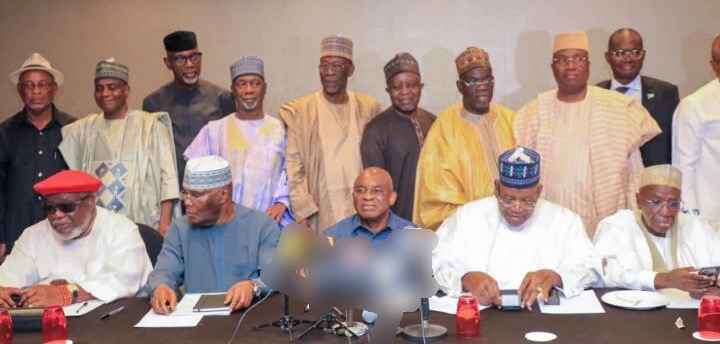
Tinubu govt will not release El-Rufai from detention until after 2027 elections: ADC
The ADC claimed that President Bola Tinubu’s government is deliberately keeping Mr El- Rufai in detention to weaken the opposition ahead of the 2027 elections.

Economy
NLNG urges commercialisation of stranded gas, PIA incentives
NLNG has called for the commercialisation of stranded gas resources, the development of interconnected infrastructure, and the full implementation of incentives under the PIA.

Politics
ADC, APC, NDC, PDP face legal threat over exorbitant nomination fees
The Citizens Platform for Political Inclusion has issued pre-action notices to major political parties over exorbitant nomination and expression-of-interest fees.
Education
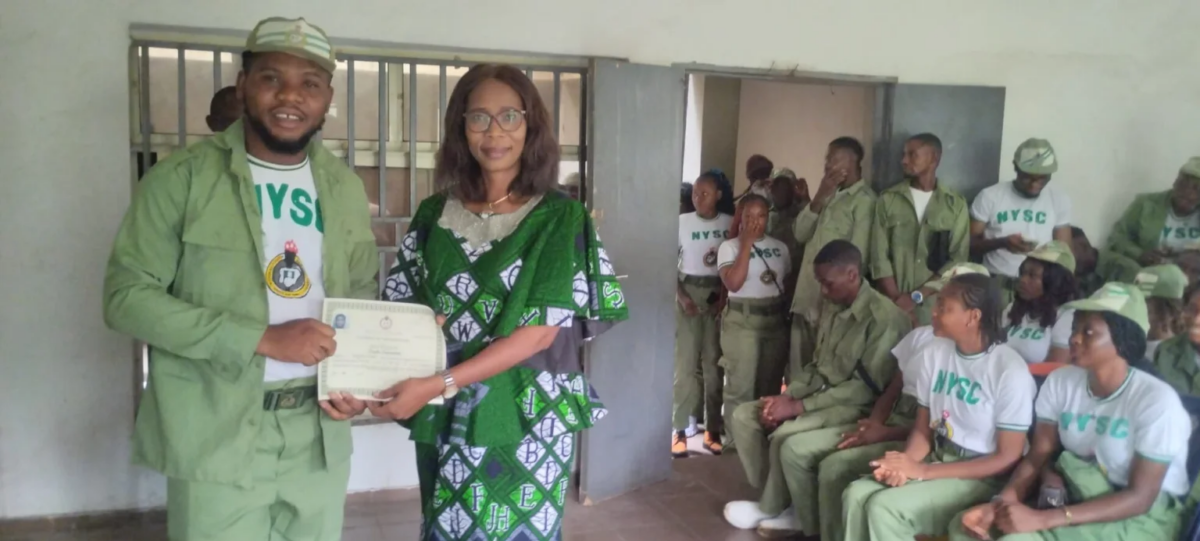
Anambra: Five corps members get automatic employment, nine to repeat service
Nine National Youth Service Corps members in Anambra will repeat their service year for absconding from the mandatory exercise.


