

PENGASSAN demands salary benchmark for oil workers
The Petroleum and Natural Gas Senior Staff Association of Nigeria (PENGASSAN) has called for a salary benchmark for oil and gas workers.
Festus Osifo, the union’s national president, made this call at the second edition of the PENGASSAN Energy and Labour Submit on Monday in Abuja.
The three-day event was titled ‘Petroleum Downstream Deregulation and Gas Utilisation, for a Sustainable Energy Future in Nigeria’.
Mr Osifo said the call was imperative due to the recent policy direction by the federal government. He said the policy by the government included the PMS subsidy removal and the floating of the naira-dollar exchange rate.
“Part of the decisions of floatation has only benefited the government and the oil and gas companies in Nigeria. This has necessitated a call for salary benchmark for oil and gas workers, aligning with the instrument of trade of oil and gas commodity,” noted Mr Osifo.
He, however, said in Angola, legislation pegged workers’ salaries in dollars and paid them the legal tender equivalent. Mr Usifo said the Angola template was a testament to the possibilities of safeguarding the interests of workers amidst currency fluctuations.
He added that the floating of the naira in the official market had exacerbated the challenges faced by our workers.
“We must explore innovative solutions to restore financial losses to workers by preventing undue gains to oil companies and ensuring a fair and equitable environment for all. PENGASSAN will do all it can to push for this just and equitable distribution across its branches,” the PENGASSAN leader explained.
Mele Kyari, NNPC boss, said despite challenges, the country was already witnessing some positive outcomes of the subsidy removal. He said most construction companies had started returning to sites as more resources became available to execute projects.
According to him, by 2024, Nigeria will become a net exporter of refined petroleum products based on ongoing policy interventions by the present administration.
“The meaning of this is that we will have sufficient volumes in-country. When we refine locally, we do have advantages. That is by creating wealth, creating taxes, and all forms of value chain, creating employment, and so on and so forth,’’ Mr Kyari stated.
(NAN)

We have recently deactivated our website's comment provider in favour of other channels of distribution and commentary. We encourage you to join the conversation on our stories via our Facebook, Twitter and other social media pages.

More from Peoples Gazette

States
Independence: NBA urges Nigerians to expect better future
The NBA said that ordinary Nigerians should be deriving benefit from the subsidy removal rather than hardship.

Agriculture
FG tasks ECOWAS on leveraging financing strategies for agroecology
The federal government has urged stakeholders in the agriculture and finance sectors in the West Africa region to leverage financing strategies to enhance agroecology practices

Politics
Katsina youths pledge to deliver over 2 million votes to Atiku
“Katsina State is Atiku’s political base because it is his second home.”
Rights
Anglican Church in crisis as chancellor Nwofor demands N5 billion in damages over removal
Mr Nwofor demanded N5 billion in damages within seven days of receiving the letter, warning that failure to comply would leave him with no option but to seek redress in court.
Heading 1
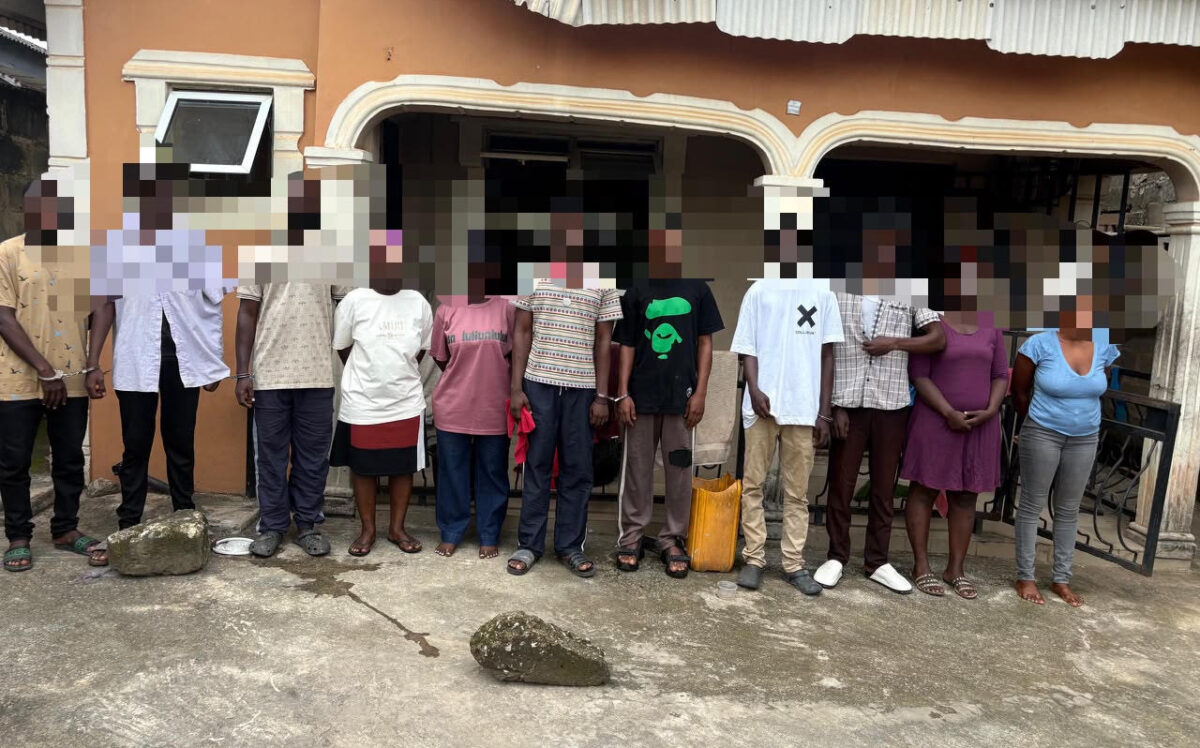
11 Ghanaians held hostage in Nigeria over promise of Canadian visa by fraudsters
The police command in Ogun says it has rescued 11 Ghanaian nationals allegedly held hostage in Sagamu after being lured to Nigeria with promises of Canadian and Spanish visas.
Health
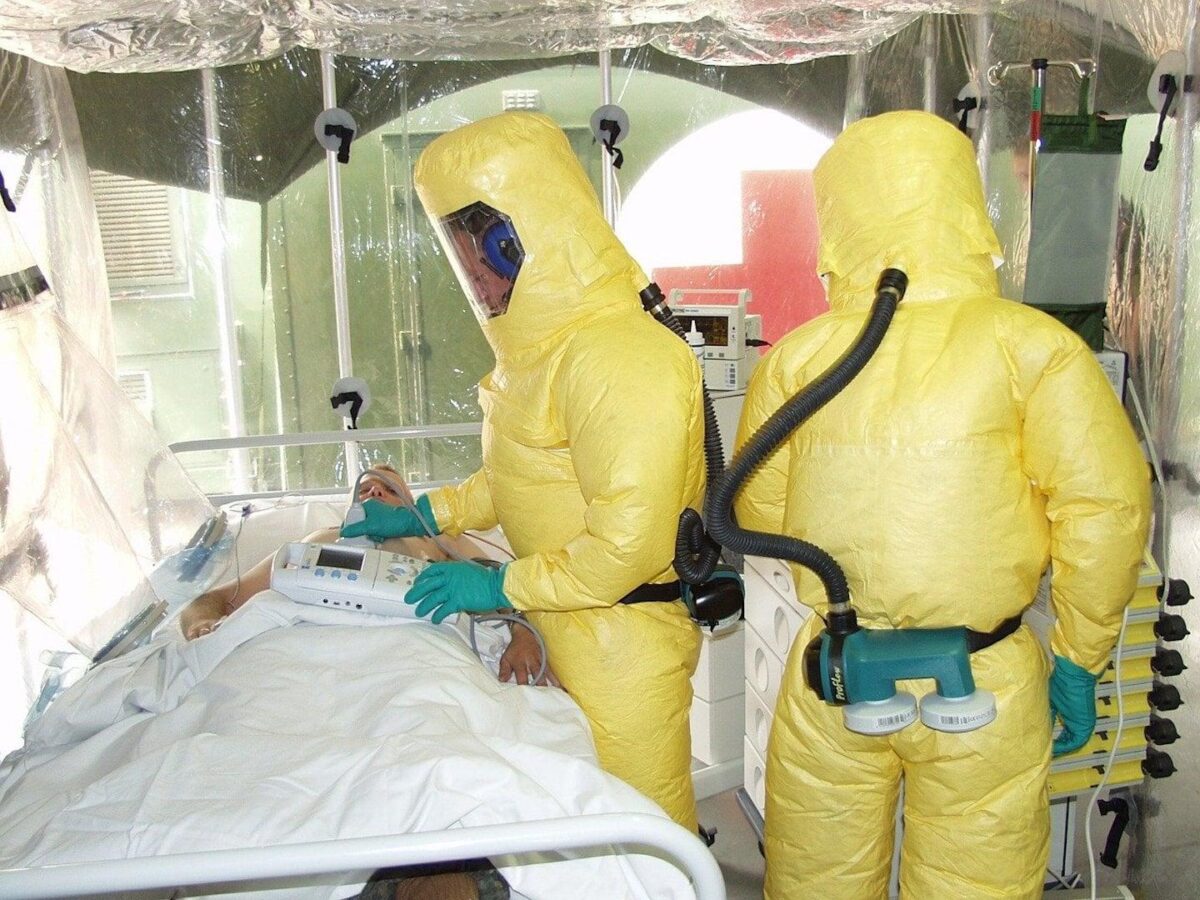
WHO urges strong surveillance as Nigeria confirms new Ebola case
The World Health Organisation has urged countries to maintain strong disease surveillance and rapid alert investigation after Nigeria confirmeda new case of deadly Ebola virus on Tuesday.
![Doctor in hazmat [Photo Credit: Aekno]](https://gazettengr.com/wp-content/uploads/Vy6rmwZbTIdy0CQNJ3JspejDukymQtkzYIu8u8LCBOBZkLvqkYHuQPOr-84dk23zNQLvZGzDZv2NjPnISqnojWoMnXIMBjU5wmpYscMKcmbMpVNcdTD3zhWUJSTq-h7pQ7HObQyeQc5UWLlv36S2OvuftvEQzRb-9I2XmZ4TNQqAYgTVDoX94OK6X-oddxX-1200x801.jpg)
Health
Uganda dismisses claims of exporting Ebola to Nigeria, reports zero active case
Uganda was declared Ebola-free in August after completing the WHO’s required 42-day period without a new case.
Abuja
NLC suspends indefinite strike in Abuja
The NLC chair said the suspension was agreed upon in the spirit of social dialogue and industrial harmony.

Health
Ebola: Africa CDC seeks urgent international support for Nigeria
Mr Kaseya said Africa CDC had begun mobilising support for Nigeria while intensifying response efforts in DRC, Congo and Kenya.


