

Petrol Price: Abuja residents lament rising transport fares

Abuja residents have expressed concern over rising transport fares following the increase in petrol pump price.
Petrol, previously sold between N835 and N875 per litre in Abuja, now costs between N1,200 and N1,350, leading to a spike in transport fares by about 100 per cent.
Ngozi Okeke, a civil servant in Garki, said the fare from Nyanya to the city centre had increased within days of the fuel price adjustment.
“Last week, I paid N800 to work, but today I paid N1,000. It may look small, but when you calculate it for the whole week, it is a lot,” she said.
Theresa Godspower, said she paid N700 from Nyanya to the federal secretariat, instead of the N500.
Musa Abdullahi said he paid N1,200 from Masaka to the city centre, compared to the N700 he used to pay.
Godwin Ameh said the fare from Lugbe to Wuse increased from N800 to N1,000, adding that some drivers charged up to N1,200.
Amos Badifu, a public servant, said, “Whenever fuel goes up, transporters increase fares, and traders also raise the cost of food items because of transportation.
”The fare from Kuje to Berger has increased from N1,300 to N1,500, even bike fares have also increased. I know that before next week, prices of some major food items will have increased, as most sellers often look for reasons to increase the price of their items.”
A taxi driver, John Eze, said, “Yesterday, I bought fuel at N1,250 per litre, but today it is N1,350. We have to adjust fares, or we will run at a loss.”
Fewer vehicles were seen on some major roads in the city.
According to an economist, Ibrahim Sule, hike in fuel prices often has a ripple effect on the economy, especially on transportation and food supply.
Mr Sule explained that transportation costs are a major component of the price of goods in Nigeria, particularly food transported from rural areas to urban markets.
“When fuel prices rise, transport costs increase, and traders usually pass the additional cost to consumers. This is why people fear food inflation may follow,” he said.
Mr Sule advised the government to strengthen social protection measures and improve mass transit systems to cushion the impact on residents.
He also said that investment in alternative transport systems could help reduce the country’s heavy dependence on petrol-powered mobility.
(NAN)

We have recently deactivated our website's comment provider in favour of other channels of distribution and commentary. We encourage you to join the conversation on our stories via our Facebook, Twitter and other social media pages.

More from Peoples Gazette

States
Independence: NBA urges Nigerians to expect better future
The NBA said that ordinary Nigerians should be deriving benefit from the subsidy removal rather than hardship.

Agriculture
FG tasks ECOWAS on leveraging financing strategies for agroecology
The federal government has urged stakeholders in the agriculture and finance sectors in the West Africa region to leverage financing strategies to enhance agroecology practices

Politics
Katsina youths pledge to deliver over 2 million votes to Atiku
“Katsina State is Atiku’s political base because it is his second home.”

Education
JAMB issues guidelines for prospective 2027 UTME candidates
JAMB has yet to announce when registration for the 2027 UTME will commence.
Heading 1
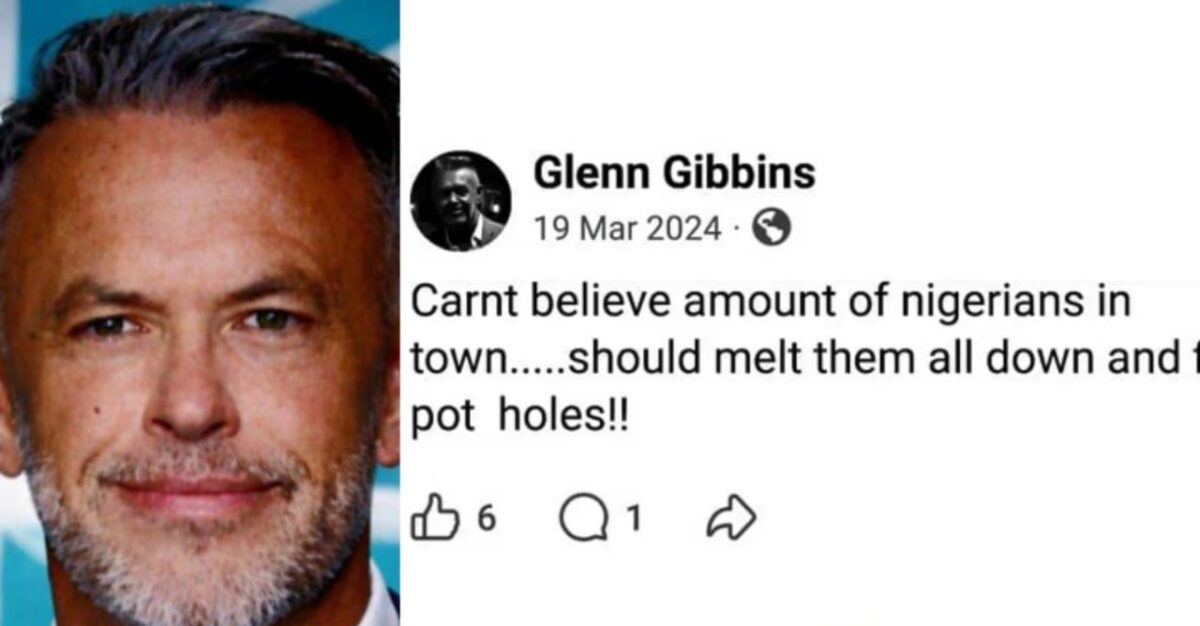
Suspended Reform UK councillor convicted over post saying Nigerians should be “melted down” to “fill potholes”
During his trial at South Tyneside Magistrates’ Court on Monday, Mr Gibblins defended the comments, describing them as a “tongue in cheek” joke.

World
56 migrants died in shipwrecks off Senegal, Greece, says IOM
In one incident, Greek authorities rescued 28 Sudanese migrants and recovered eight bodies.
Economy
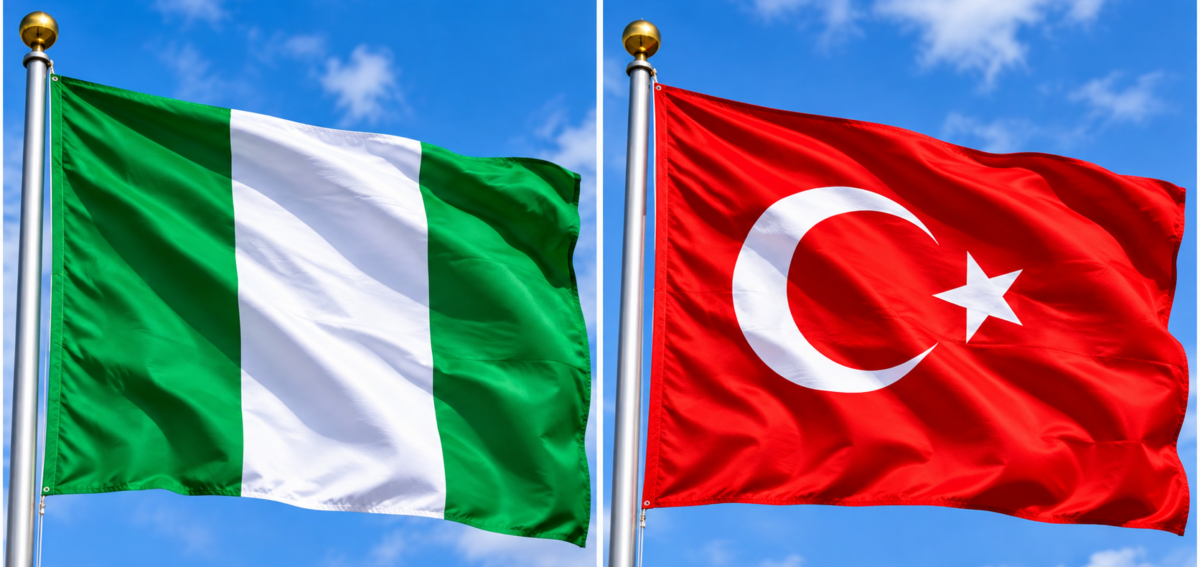
Türkiye envoy targets bilateral trade with Nigeria from $2 billion to $5 billion
Mr Poroy noted that the current trade between both countries stood at about $two billion, including oil and gas.
NationWide
COP 31: WFP advise leaders to invest in early warning systems
Over 90,000 people are expected in Antalya as pressure mounts to deliver on climate promises.

NationWide
Suspected terrorist killed, four motorcycles recovered in Plateau military onslaught
This information is in an operational report released on Tuesday in Abuja.


