

PIN warns of surge in technology-facilitated GBV in Nigeria, other African countries

Digital rights and inclusion advocacy group Paradigm Initiative has raised an alarm over the prevalence of technology-facilitated gender-based violence in Africa.
In a statement on Thursday, the organisation revealed that systemic failures, weak accountability, and unsafe online spaces have remained the driving force behind technology-facilitated gender-based violence in countries like Cameroon, Kenya, Nigeria, Senegal, Zambia, and Zimbabwe.
The digital group noted that its research revealed that young people are the most disadvantaged, with individuals aged 18–34 constituting the vast majority of survivors.
PIN noted that 67 per cent of its respondents confirmed being victims of at least one or multiple forms of digital violence.
“The research uncovers the emotional, social, and systemic dimensions of digital violence that formal reports and statistics often obscure. It also interrogates how survivors navigate reporting systems, access justice, and play an informed role in digital spaces that are frequently hostile or unsafe,” the group stated.
The civil society group noted that most incidents of digital violence occurred on Facebook, WhatsApp, and X (formerly Twitter). It faulted the way social media platforms have continued to be structurally unsafe for many users, especially women, activists, and advocates.
It said, “Victims’ experiences range from sexual harassment, threats, and misogynistic attacks to severe violations such as stalking, non-consensual image sharing, hacking, sextortion, and identity-based harassment.”
“Personal testimonies reveal profound emotional, psychological, and reputational harm.”
Also, the organisation stated that its findings revealed that formal institutions or agencies, such as the police, employers of labour, and public institutions, have remained largely underutilised due to fear, mistrust, or possible inaction.
The group, however, called on all stakeholders to initiate actions to make online spaces safer for all users, in line with the 2025 Human Rights Day theme, “Human Rights, our everyday essentials.”
It added, “Addressing these systemic gaps is critical to advancing democratic engagement, promoting media pluralism, fostering digital inclusion, and achieving gender equality across Africa.”

We have recently deactivated our website's comment provider in favour of other channels of distribution and commentary. We encourage you to join the conversation on our stories via our Facebook, Twitter and other social media pages.

More from Peoples Gazette

Agriculture
FG tasks ECOWAS on leveraging financing strategies for agroecology
The federal government has urged stakeholders in the agriculture and finance sectors in the West Africa region to leverage financing strategies to enhance agroecology practices

Politics
Katsina youths pledge to deliver over 2 million votes to Atiku
“Katsina State is Atiku’s political base because it is his second home.”

Uncategorized
Ogun police arrest 11 suspects, recover 25 ATM cards, firearms
The police command in Ogun State arrested 11 suspects and recovered two suspected stolen vehicles, three firearms and 25 ATM cards.
Lagos
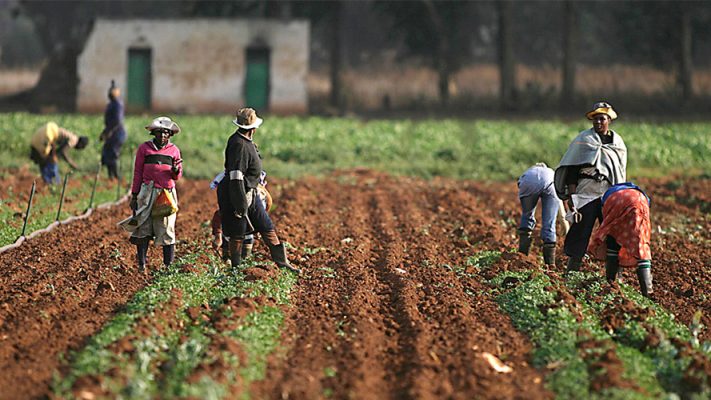
Lagos farmers seek support to boost local food production
The farmers said Lagos could meet its target of increasing its contribution to locally consumed food from 25 per cent to 50 per cent.

NationWide
Newlywed, 12 others arrested as NDLEA seizes illicit drugs in four states
NDLEA operatives also intercepted over N3 billion worth of opioids at Lagos airport.

Lagos
2027: APGA candidate confident of victory in Amuwo-Odofin constituency
Mr Ibeh also pledged to create opportunities for youths.

NationWide
APC chieftain urges Tinubu to review social intervention programmes
The APC chieftain urged Nigerians to continue believing in Mr Tinubu’s capacity to further reduce poverty.

States
Troops raid suspected terrorists’ hideout in Sokoto, recover AK-47, motorcycle
Mr Osoba said the troops acted on credible intelligence.


