

Police forced detainees to pay up to N20 million ransom: CAPTI
The anti-kidnapping unit of the Imo State Command, Owerri, commonly known as “Tiger Base”, has been accused of extorting and forcing suspects in their detention facility, as well as their families, to cough out up to N20 million as ransom.
The Coalition Against Police Tiger Base Impunity (CAPTI), a social movement dedicated to promoting free and democratic Nigeria, as well as freedom from police brutality and oppression, made the allegation in a report documenting the systematic and egregious human rights violations perpetrated by the unit between 2021 and 2025.
CAPTI said, “The arbitrary detention system fed a lucrative extortion operation, with families forced to pay between ₦200,000 and ₦20 million to secure releases, even in matters that should have been handled through civil courts rather than criminal detention.”
According to the group, the unit involves itself in civil matters and accuses their victims of being members of the proscribed Indigenous People of Biafra (IPOB) to make the extortion.
They also mete out inhuman treatments such as crucifixion, starvation, electric shocks, and flinging machine tortures, among others, to force them to admit to crimes they know nothing about or when they refuse to pay ransom, before dumping them in detention without investigation or prosecution.
CAPTI, while narrating the experience of Opara, a 59-year-old civil servant who was arrested and detained for three nights over a tenancy dispute, said his Investigating Police Officer screamed at him saying, “Thunder will fire you! You will die here! You’re a criminal!” When he tried to explain his side, she refused to listen and drafted his statement herself.”
The group stated that after many negotiations, “Opara was forced to pay ₦200,000 for bail in what was purely a civil landlord-tenant matter already before the courts. He was made to sign an undertaking to vacate the property before his rent expired, under threat of rearrest.
“When Opara’s lawyer came to process his bail, Tiger Base initially demanded ₦700,000, eventually “negotiating” down to ₦200,000,” it added.
Additionally, Chinedu, a 52-year-old businessman, who is said to have suffered worse treatment, was arrested twice over “same commercial dispute, detained for thirty days the first time and sixty days the second. He paid ₦400,000 and ₦300,000, respectively, for “bail” in a matter that should never have involved police at all.”
CAPTI also shared the ordeal of another victim who was hanged on a tree inside the facility compound for hours in a bid to force him to admit to a crime he did not commit.
The victim said, “Eventually, when they could not make me admit to the crime, they called my father and asked him to bring ₦2 million for my bail,” he recounted. “My father told them that they should take me to court if I committed the crime, they accused me of.”
However, when he failed to raise the money, he was remanded in prison custody for terrorism, and has continued to suffer the effects of the torture when CAPTI met him at Owerri prison in November 2025, as he “could not raise his hands nor stand for extended periods, permanent injuries inflicted not in combat or lawful arrest, but through deliberate torture designed to extract money from his family.”
It stated that officers from the Tiger Base tell families of missing persons that their relatives were arrested as “IPOB suspects,” parade them before the media with weapons they have never seen, in order to stage displays to justify the abuse they have suffered, despite finding no connection with separatist activities.
“Suspects are routinely pressured to pay for their release, and those who cannot afford it risk being permanently labelled “IPOB members”, a designation that further diminishes their rights and increases their vulnerability to torture, detention in abysmal conditions, and even death.”
CAPTI also alleged that ‘Tiger Base’, whose official objective is to combat kidnapping, armed robbery, cultism and other violent crimes in the state, has allegedly had at least 200 deaths or disappearances of suspects in its facility within the period.
“At least two hundred people died or disappeared in custody between 2021 and 2025. Among them were Japhet Njoku, Magnus Ejiogu, and Ekene Francis Elemuwa. Some of the victims remain unidentified, their bodies either missing or still withheld by police authorities. These deaths occurred within a facility where torture had become routine practice.”
The group also stated that, “Pastor Chinedu, Reverend Cletus Nwachukwu, Onuocha Johnbosco, and Sunday and Calista Ifedi, are among those whose families continue searching for them with no answers from authorities.
“Detainees endured beatings, electric shocks, and prolonged suspension by their limbs. In particularly brutal cases, officers used filing machines to inflict severe bodily harm on detainees in their custody. The violations extended far beyond physical torture.
“Tiger Base operated as a black hole where constitutional rights are entirely denied. Detainees are dumped into cells for weeks or months without charges, access to lawyers denied and cut off from family contact.”
CAPTI during the research, interviewed 57 individuals whose lives intersected with the facility in devastating ways, 23 former detainees who survived custody, while 15 family members spoke about loved ones who either died in Tiger Base or vanished without a trace.
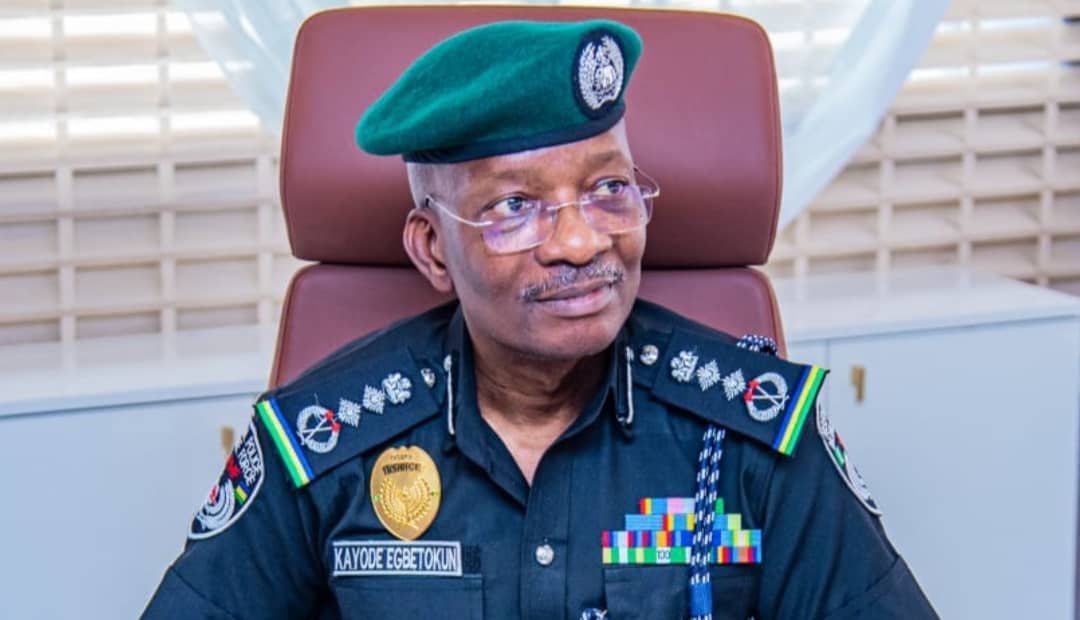
The group noted that despite credible allegations documented in multiple petitions sent to the Inspector General of Police, Kayode Egbetokun, the Police Service Commission, and the National Human Rights Commission, no conclusive investigation has taken place, no officer has faced prosecution, and the unit continues operating with unbridled impunity, unfazed by the mountain of evidence against it.
The report, researched and written by human rights researcher, Nnamdi Prince, was reviewed and edited by the national coordinator of the Take It Back Movement, Juwon Sanyaolu, along with a select committee of CAPTI member organisations.

We have recently deactivated our website's comment provider in favour of other channels of distribution and commentary. We encourage you to join the conversation on our stories via our Facebook, Twitter and other social media pages.

More from Peoples Gazette

Agriculture
FG tasks ECOWAS on leveraging financing strategies for agroecology
The federal government has urged stakeholders in the agriculture and finance sectors in the West Africa region to leverage financing strategies to enhance agroecology practices

Politics
Katsina youths pledge to deliver over 2 million votes to Atiku
“Katsina State is Atiku’s political base because it is his second home.”

States
PCN seals 733 pharmacies, illegal outlets in Delta
Mr Chiroma said that of the 930 premises visited, pharmacies constituted just 21 per cent.

Education
Gov. Uzodimma inaugurates 6,030 teachers, 345 non-teaching staff in Imo
The governor said the recruitment was designed to address the acute shortage of teachers.
NationWide
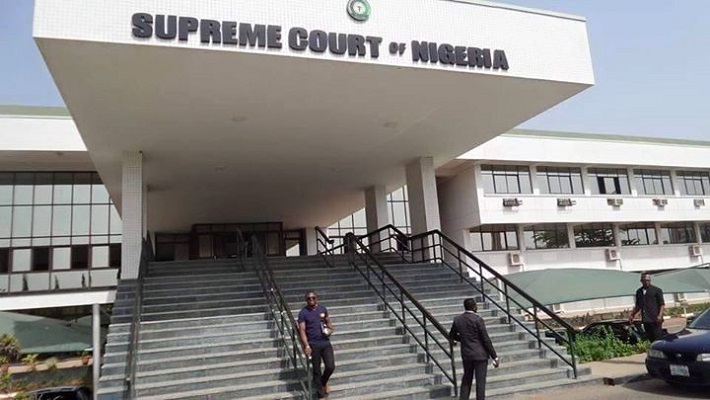
Supreme Court upholds INEC appeal, validates Electoral Act provisions on party primaries
Justice Mohammed Umar had, on May 5, initially dismissed the ZLP’s suit for lacking merit.

States
Army arrests two soldiers over alleged ammunition racketeering
Troops recovered four mobile phones, two empty magazines, an ATM card, a motorcycle and other items.
Heading 4
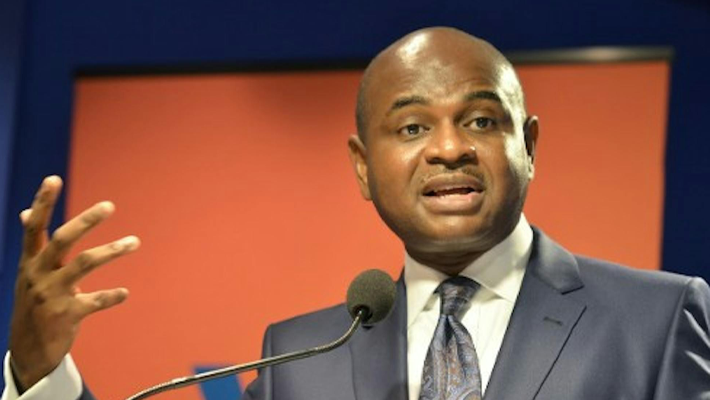
Moghalu rejects Atiku’s campaign council appointment, says he’s quit partisan politics
Mr Abubakar unveiled his council on Thursday, listing Mr Moghalu as a member of its policy team.

Heading 2
Jigawa establishes 135 learning spaces for out-of-school children
He said that 270 facilitators and 20 supervisors had been engaged to provide learning opportunities for children.


