

Politicians’ actions responsible for coups in West Africa: UN
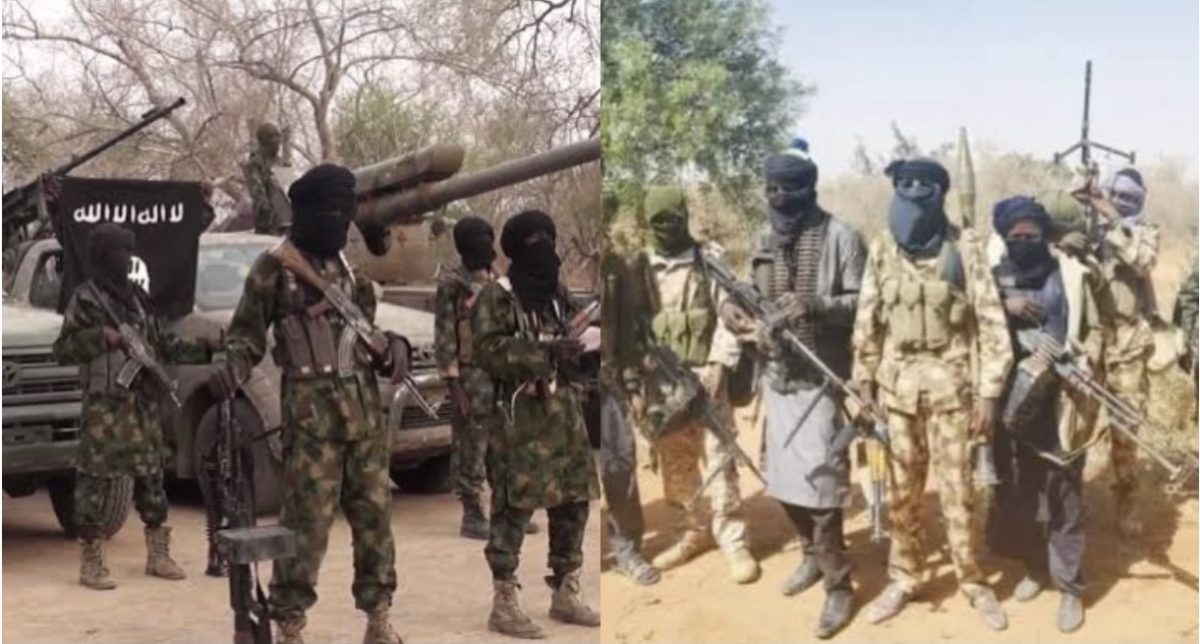
UN envoy Annadif Saleh says the resurgence of coups d’état, particularly in West Africa is often the consequence of political practices out of step with the aspirations of the populations.
Mr Saleh, head of the UN Office for West Africa and the Sahel (UNOWAS) said this while briefing the Security Council on Monday at UN headquarters in New York.
Mr Saleh, also the UN special representative for the Central African Republic also spoke about the recent wave of attempts and coups d’état in the Central African Republic, Mali, Sudan, and Guinea.
He commended the Economic Community of West African States (ECOWAS) for its engagement with the crises in Mali and Guinea and said UNOWAS supports all efforts for a return to constitutional order as soon as possible.
According to the UN representative, West Africa and the Sahel continue to make progress in many areas but warned that the subregion is “struggling with insecurity, which risks reversing hard-won advances.”
The special representative shared some progress with the council members, such as the state of border negotiations between Cameroon and Nigeria, and elections in Gambia and Cape Verde.
For him, “these examples confirm the attraction of democracy, as the surest vector for shaping the future of communities.” Despite these political advances, Mr Saleh mentioned that the security environment had become more worrying.
In Burkina Faso, for example, there are “incessant” attacks by terrorist groups; while in Mali and Niger, large-scale attacks against military and civilian targets continue.
In Nigeria, an upsurge in violence between farmers and herders coincides with extremist violence in the northeast; other incidents, although small in scale, have occurred in the north of Côte d’Ivoire, Benin and Togo.
For Mr Saleh, these events demonstrate that the “threat of acts of terrorism moving from the Sahel towards the coastal countries of the Gulf of Guinea is a reality.”
One of the major consequences of the security situation is a multifaceted humanitarian crisis, with rising food prices and increasing poverty.
Right now, more than 38 million people risk running out of food by the next lean season, a 23 per cent increase from last year. The growing insecurity has also led to massive population displacement.
In November 2021, there were more than eight million refugees, internally displaced persons, returnees, and stateless persons in West Africa and 4.1 million in the G5 Sahel countries (Mali, Niger, Burkina Faso, Chad, Mauritania).
Mr Saleh further stated that the main result of the challenges was that “millions of children are growing up in difficult conditions, traumatised, malnourished, poorly cared for, and without education.”
The director-general of the UN Office on Drugs and Crime (UNODC), Ghada Fathi Waly, also briefed council members.
She said the Gulf of Guinea continued to be a priority concern, with incidents along the West African coast accounting for the majority of kidnappings at sea for ransom, occurring worldwide.
A new study by maritime security research group, Stable Seas, conducted in partnership with UNODC, estimates that piracy and armed robbery at sea are costing the Gulf of Guinea states $1.94 billion every year.
Port fees and import tariffs lost due to decreased shipping activity are estimated at $1.4 billion per year.
“These billions represent lost potential, and funds that could otherwise be invested in licit economies and in developing coastal communities, funds that are needed now more than ever in the continuing COVID-19 crisis,” added Ms Waly.
Across the region, organised crime, facilitated by corruption, is also perpetuating instability, violence, and poverty.
“Lack of opportunities and frustration drive more youth to piracy and crime, and leave them more receptive to radicalization narratives,” the UNODC chief warned.

We have recently deactivated our website's comment provider in favour of other channels of distribution and commentary. We encourage you to join the conversation on our stories via our Facebook, Twitter and other social media pages.

More from Peoples Gazette

Agriculture
FG tasks ECOWAS on leveraging financing strategies for agroecology
The federal government has urged stakeholders in the agriculture and finance sectors in the West Africa region to leverage financing strategies to enhance agroecology practices

Politics
Katsina youths pledge to deliver over 2 million votes to Atiku
“Katsina State is Atiku’s political base because it is his second home.”

Economy
EU bans destruction of unsold clothing
The policy took effect on Sunday, and the EU also announced it would extend to medium-sized companies starting in 2030.

NationWide
FRSC inaugurates special intervention patrol, unveils 12 code-named operations
The FRSC said the operations aim to reduce road traffic crashes, save lives, and make Nigerian roads safer.
Health
Childhood seizures are medical conditions, not spiritual attacks: Paediatrician
He said seizures result from abnormal electrical activity in the brain and could manifest as jerky or stretching movements.

Heading 2
Oyo mandates birth certificates, NIN for school enrolment
Ms Bamidele said the policy is being implemented in collaboration with the National Identity Management Commission (NIMC).
States
ADC reaffirms confidence in Adamawa governorship candidate
Adamawa ADC passed d a vote of confidence in its governorship candidate, Omar Suleiman, ahead of 2027.
Heading 1
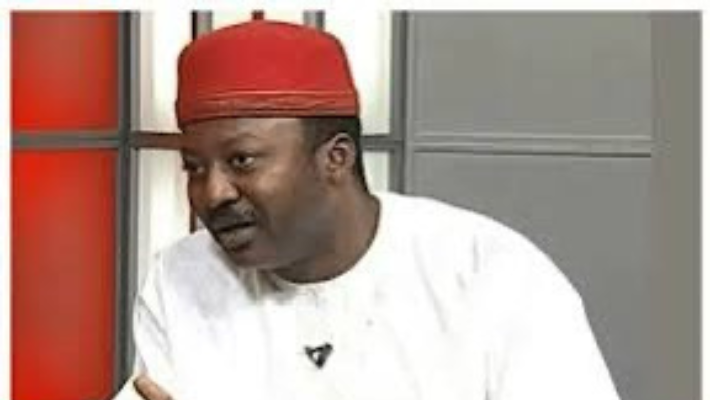
APC panicky, confused ahead of APC panicky, confused ahead of 2027 elections; opposition parties getting stronger: Onovo
Mr Onovo said the opposition was ahead of the ruling party despite the crisis over their candidacies on various political platforms.


