

Real Madrid vs Barcelona before La Liga 2026-27
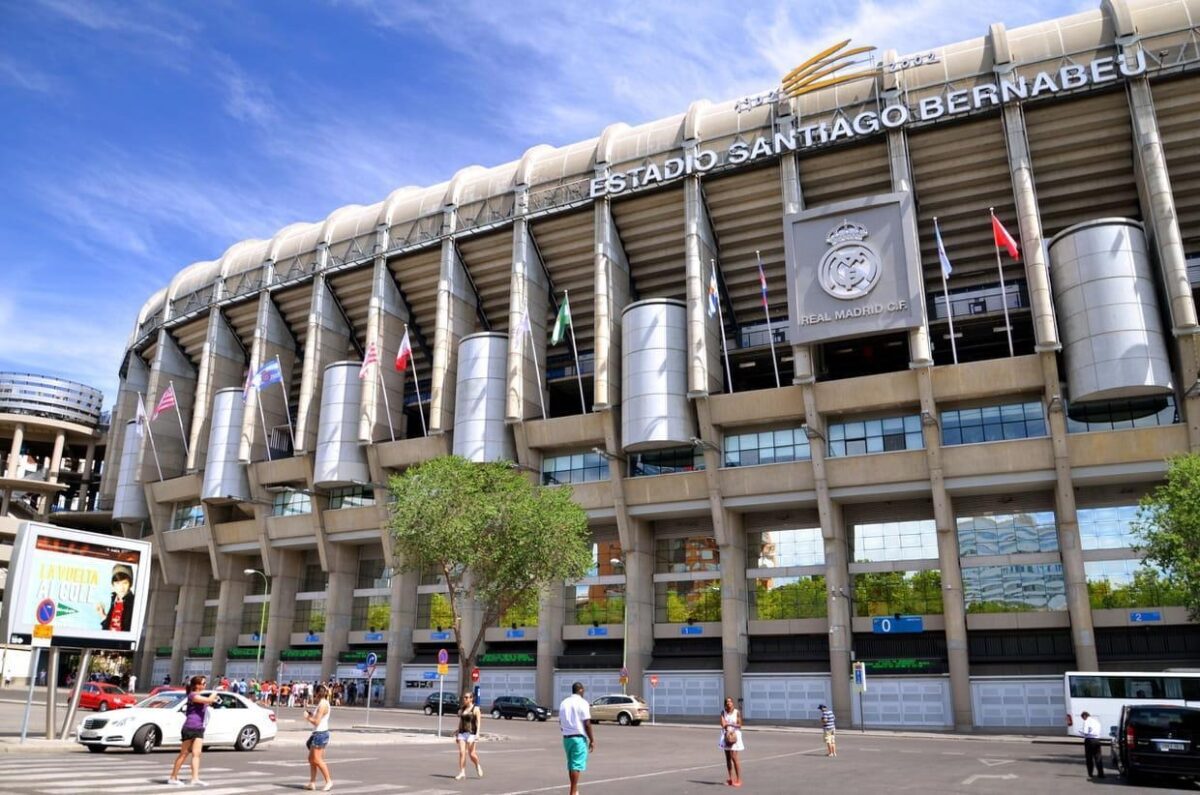
Real Madrid and Barcelona prepare for the new season
Real Madrid and Barcelona approach the 2026/27 La Liga season from almost opposite directions. Madrid have chosen change: José Mourinho is back, the squad has been reinforced, and several new players must be integrated quickly. Barcelona have placed more emphasis on continuity under Hansi Flick after enjoying the upper hand in recent domestic competition and Clásico meetings.
That contrast makes the comparison more interesting than simply counting star names. It also shapes early expectations around football markets on platforms that include games such as Chicken Road 2.0 alongside sports products. Madrid may have made the louder moves, but Barcelona currently have the advantage of a team that already knows how it wants to play.
Mourinho has been given a very different Real Madrid squad
Madrid’s summer has looked like a reset rather than a minor adjustment. Mourinho’s return has been accompanied by investment across several areas of the pitch.
Yan Diomande is the most eye-catching addition. The winger arrives from RB Leipzig after his breakthrough in Germany and gives Madrid another direct attacker capable of carrying the ball at defenders. Bernardo Silva and Ibrahima Konaté have arrived on free transfers, while Marc Cucurella is another important addition.
The result is a squad with more options and, on paper, fewer obvious weaknesses.
Up front, the starting point remains formidable. Kylian Mbappé and Vinícius Júnior already give Madrid two of Europe’s most dangerous attackers. Adding Diomande lets Mourinho vary the structure around them rather than relying on the same combinations every week.
The bigger question concerns balance. Several new players arriving at once can solve personnel problems while creating another: they need to learn how to play together. Mourinho is also introducing his own ideas, so Madrid enter August with considerable talent but less tactical continuity than their main rival.
Barcelona have changed less, and that could matter immediately
Barcelona’s advantage is familiarity. Flick already has a recognisable structure, and much of the squad responsible for the club’s recent domestic success remains in place.
Lamine Yamal continues to grow into a central attacking role rather than simply being treated as a prospect. Around him, Barcelona have a technically strong core accustomed to pressing aggressively, moving the ball quickly and attacking through several areas rather than depending entirely on one scorer.
Anthony Gordon adds something different. His direct running gives Flick another wide option and should make it easier to change the attack’s shape depending on the opponent.
Financial limitations have prevented Barcelona from approaching recruitment in the same way as Madrid, but they have also increased the importance of continuity and getting more from the players already established in Flick’s system.
Before the first league match, that continuity is valuable. Madrid may ultimately have the higher ceiling after their summer business, but Barcelona should require less time to reach their normal level.
Where does each side have the advantage?
On individual attacking quality, Madrid are difficult to beat. Barcelona’s case becomes stronger when the comparison moves from names to collective organisation.
The main differences currently look like this:
- Attack: Madrid have exceptional individual firepower through Mbappé, Vinícius and now Diomande.
- Continuity: Barcelona have the advantage after another summer under Flick.
- New options: Madrid have added significant quality through Diomande, Silva, Konaté and Cucurella.
- Intensity and structure: Barcelona’s technical core suits Flick’s pressing game well.
- Integration: Madrid face the larger short-term challenge because Mourinho must fit several newcomers into a new structure.
- World Cup workload: both teams need to manage players returning after demanding international campaigns.
Midfield could ultimately decide the comparison. Madrid’s summer changes give Mourinho different profiles to work with, but Barcelona already have established relationships in central areas.
Defensively, Madrid’s recruitment should improve their options. Konaté brings experience and physical strength, while Cucurella offers flexibility on the left. Again, though, having the players and immediately functioning as a unit are different things.
The first line-ups will matter more than pre-season headlines
There is a temptation to turn summer recruitment into an instant ranking: the club that spends more or signs the biggest names must have improved most. Football rarely works quite so neatly.
Madrid’s new squad could take several competitive matches to settle. Barcelona could begin more smoothly and then encounter depth problems once domestic and European fixtures start arriving together.
That uncertainty is also relevant when assessing early betting markets. Pre-season reputation should not carry the same weight as confirmed team information. Starting line-ups, World Cup recovery, injuries, and the roles assigned to new signings can all change expectations around match results, goals, and player markets.
This distinction matters because not every product on a gaming platform relies on sporting information. A game such as Plinko, for example, operates differently from a football market based on a real match. In La Liga analysis, tactical information and confirmed availability are directly relevant to assessing the teams; they do not make unrelated game outcomes more predictable.
World Cup fatigue adds another complication
Neither coach begins with a completely fresh squad. Several Madrid and Barcelona players accumulated substantial minutes during the World Cup, reducing the normal recovery period between international and club football.
That could favour depth during August and September. A team may look strongest on paper but still avoid using its preferred eleven every week if players require additional recovery.
For Madrid, Mourinho must balance that workload with the need to integrate his new signings. Giving Diomande, Silva, Konaté and Cucurella competitive minutes matters, but so does establishing stable combinations.
Flick faces fewer integration problems, although Barcelona’s players are not immune to the effects of accumulated minutes. Continuity helps only if the squad remains physically capable of maintaining the intensity the system requires.
Barcelona have the early edge, but Madrid may have the higher ceiling
If the question is who looks stronger before La Liga begins, Barcelona have a narrow advantage. Their case rests less on individual talent than on recent results, tactical continuity and a group already accustomed to Flick’s demands.
Madrid’s argument is different. Mbappé and Vinícius provide extraordinary attacking quality, Diomande adds another major threat, and the arrivals of Silva, Konaté and Cucurella have expanded the squad’s options. Mourinho has been given enough talent to alter the balance of power.
The uncertainty is how quickly everything comes together.
Barcelona therefore look slightly better prepared for the opening weeks. Real Madrid may have more room to improve once their new players and returning coach establish a settled structure. In a title race lasting an entire season, that distinction could prove more important than whichever side looks stronger in August.

We have recently deactivated our website's comment provider in favour of other channels of distribution and commentary. We encourage you to join the conversation on our stories via our Facebook, Twitter and other social media pages.

More from Peoples Gazette

Agriculture
FG tasks ECOWAS on leveraging financing strategies for agroecology
The federal government has urged stakeholders in the agriculture and finance sectors in the West Africa region to leverage financing strategies to enhance agroecology practices

Politics
Katsina youths pledge to deliver over 2 million votes to Atiku
“Katsina State is Atiku’s political base because it is his second home.”

States
Police nab four suspects for alleged child trafficking in Abia
Ms Chinaka said the suspects allegedly conspired to steal a four-day-old baby from her mentally unstable mother.
Agriculture
Enugu hires over 160 professionals to revive livestock production
Mr Ubru said the recruitment was in fulfilment of Governor Peter Mbah’s vision to revamp the agricultural sector.

Heading 2
Plateau government disburses N1.5 billion intervention funds to attack victims
Governor Caleb Mutfwang formally inaugurated the disbursement of the funds on Monday in Jos.

Heading 5
Don’t destroy APC like you did PDP, group warns Wike
Mr Wike has insisted that his major political priority remained securing the re-election of Mr Tinubu in 2027.

Heading 1
Atiku condemns Tinubu’s prolonged vacation abroad, says Nigeria can’t be governed on autopilot
Mr Onanuga said that the president would return to the country at the weekend.
Economy
ECOWAS to honour 60 West African start-ups
The top three start-ups will receive $30,000, $20,000 and $15,000 respectively in seed funding.


