

Rivers emergency rule is clear abuse of power, says ex-president Jonathan
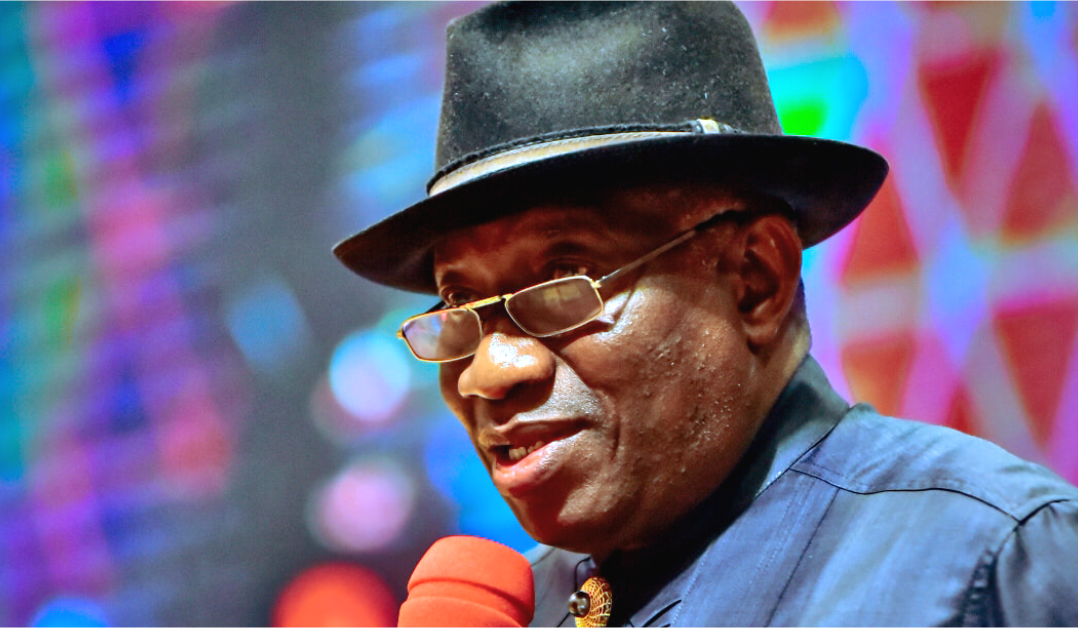
Former President Goodluck Jonathan condemned the state of emergency declaration in Rivers State by President Bola Tinubu, blaming it as a clear abuse of power by the executive, legislature, and judiciary.
He made this assertion at the annual colloquium organised by the Haske Satumari Foundation in Abuja on Saturday.
The former president said several people had contacted him for comments over the political crisis shortly after Mr Tinubu declared a state of emergency in the oil-rich state and suspended the governor, Siminalayi Fubara, his deputy and state assembly members for six months.
Mr Jonathan, who said it was unusual for former presidents to comment on the policies and actions of successors to avoid tension, however, likened the development to an Indian proverb and accused political actors of knowing what to do but intentionally failing to do it.
“What is happening in Nigeria today regarding the situation in Rivers State is like an Indian proverb that says that if somebody is sleeping, really sleeping, you can easily wake up that person, but if that person is pretending to sleep, you find it difficult to wake up that person,” Mr Jonathan said.
He added, “The key actors in Nigeria, from the executive to the legislature, judiciary and the Senate and others are here. And the judiciary, they know the correct thing to do. But they are refusing to do it. They are pretending to sleep, and waking such a person is extremely difficult because the person knows the right thing, a clear abuse of office and a clear abuse of power cutting across from the three arms of government, from the executive to the parliament and the judiciary.”
Mr Jonathan’s statement comes amid divergent views for and against Mr Tinubu’s emergency rule in Rivers State amid the lingering political crisis between Mr Fubara and his political godfather, Nyesom Wike.
The National Assembly also ratified the state of emergency via voice note, a move many have condemned as improper to determine a 2/3 majority in a serious issue like Rivers.
Meanwhile, Peoples Gazette reported on Thursday that the president’s allies paid cash bribes to lawmakers to pass the controversial proclamation, which many opposition political leaders had condemned as unconstitutional.

We have recently deactivated our website's comment provider in favour of other channels of distribution and commentary. We encourage you to join the conversation on our stories via our Facebook, Twitter and other social media pages.

More from Peoples Gazette

States
Independence: NBA urges Nigerians to expect better future
The NBA said that ordinary Nigerians should be deriving benefit from the subsidy removal rather than hardship.

Agriculture
FG tasks ECOWAS on leveraging financing strategies for agroecology
The federal government has urged stakeholders in the agriculture and finance sectors in the West Africa region to leverage financing strategies to enhance agroecology practices

Politics
Katsina youths pledge to deliver over 2 million votes to Atiku
“Katsina State is Atiku’s political base because it is his second home.”
States
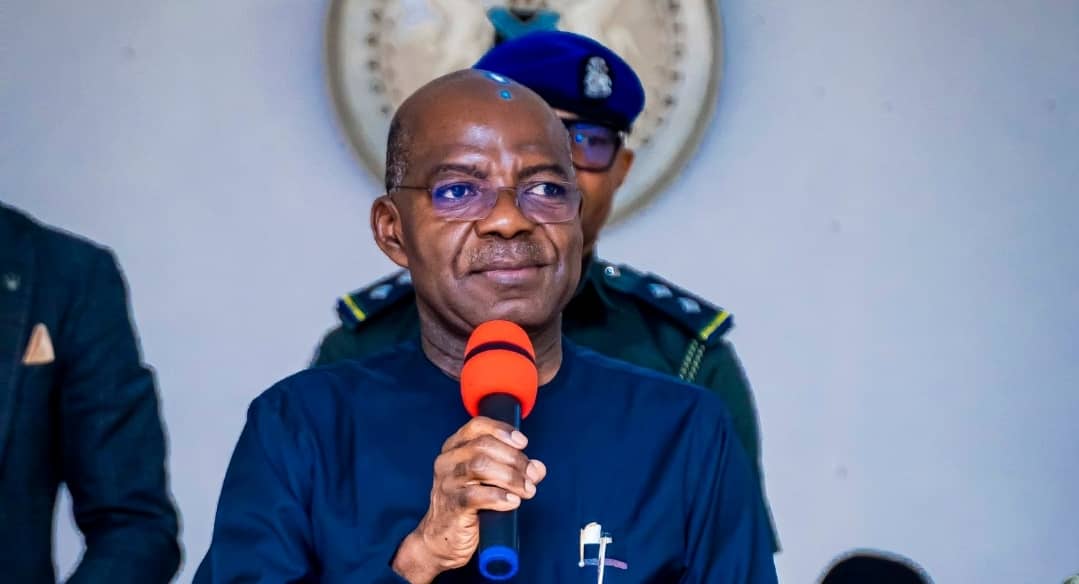
Otti advises Abia residents to reject election-season politicians’ promises
The bishop thanked God for giving Abia the opportunity to be governed by Mr Otti.

Heading 3
NiMet predicts three-day rain, sunshine nationwide from Monday
The agency also predicted cloudy skies with intervals of sunshine across the southern region.
States
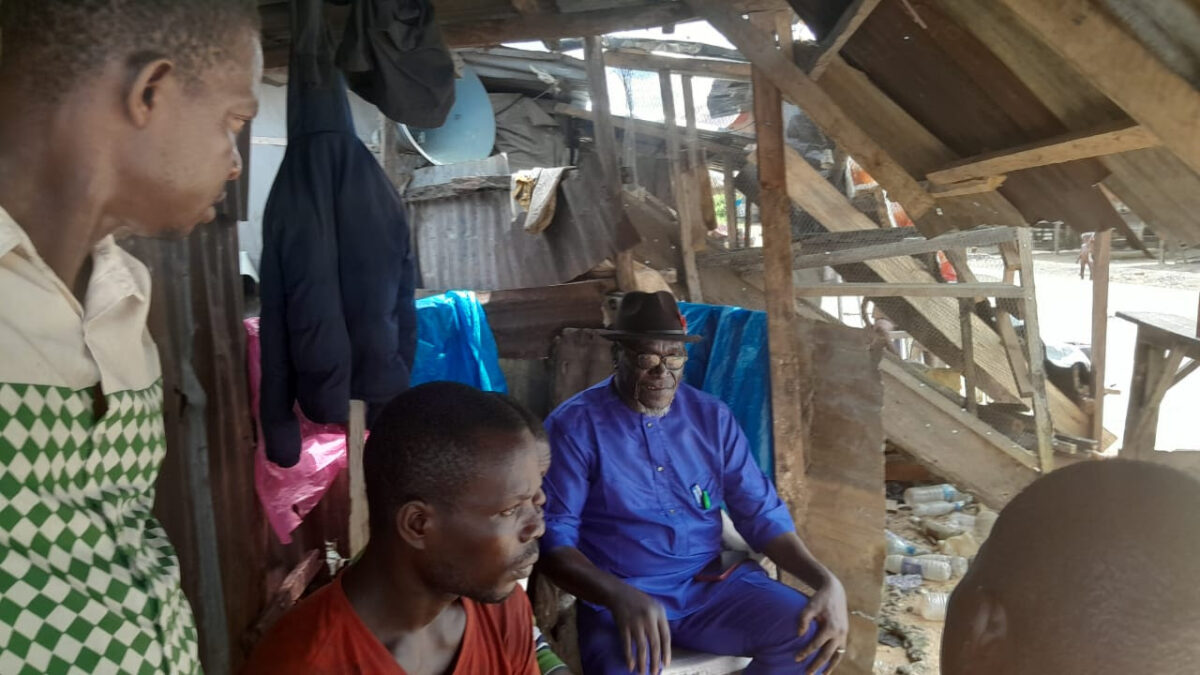
Environmentalists seek probe into Bayelsa, Rivers tremors
A fruit seller, Benita Douglas, said the vibration broke another trader’s table.

States
Coalition urges investment in girls’ education to end child marriage
Mr Ibn-Attahir said keeping girls in school was essential to ending child marriage.

Hot news Home top
FG condemns Houthi attack on Saudi Arabia’s airport, urges restraint
The ministry stressed the need to respect Saudi Arabia’s sovereignty and territorial integrity.

States
PDP governorship candidate vows free shops for traders affected by Enugu market demolition
Mr Nnaji described trading as an integral part of the people’s economic and social life.


