

Settlement disruptions trigger N587 billion in equities loss

The Nigerian equities market closed August on a bearish note, shedding N587 billion in market capitalisation. This was due to weak investor participation and disruptions associated with the transition to a new settlement structure.
Market capitalisation, which opened the month at N158.326 trillion, fell by 0.37 per cent to close at N157.739 trillion.
Similarly, the All-Share Index dropped by 1,084.29 points, or 0.44 per cent, from 245,283.68 recorded at the beginning of the month to 244,199.39 at the close of trading.
The market recorded 13 loss sessions against seven gain sessions during the 20 trading days in August, reflecting the sustained selling pressure that characterised much of the month.
Despite the decline in market capitalisation, trading volume increased by 50.8 per cent, with investors exchanging 26.867 billion shares valued at N634.801 billion in 899,053,057 deals. This compared with 17.817 billion shares valued at N1.184 trillion in 1,166,154 deals recorded in July.
The figures showed that while trading volume increased, value traded declined by 46.4 per cent, while the number of deals also fell by 22.9 per cent.
Market analysts attributed the subdued performance partly to disruptions arising from the implementation of the new settlement structure, which affected the participation of some key investors.
Tajudeen Olayinka, managing director, Wyoming Capital and Partners, said recent adjustments to the equities market settlement system had, however, helped to ease the disruptions and improve liquidity.
Mr Olayinka said this in an interview while assessing the market’s August performance and outlook for September. He said the market experienced significant disruption from late July through August, as some key investors, particularly foreign investors, stayed away due to challenges associated with the new settlement structure.
According to him, the new system required investors to pre-fund transactions, which affected the participation of some foreign and local investors.
“The disruption was likely from the non-immediate acceptance of the new structure by some institutional investors, mostly foreign, and even some local investors,” he said.
Mr Olayinka said that the situation affected expected market activities as investors adjusted to the new settlement cycle. He said subsequent fine-tuning of the system had helped restore confidence and improve liquidity in the market.
He specifically referred to adjustments to the settlement timeline, including extending the deadline for settlement-related debit alerts from noon to 5:00 p.m. the following day.
The market expert expressed optimism that the improvements recorded toward the end of August could provide a platform for a stronger performance in September.
Mr Olayinka said increased liquidity and renewed investor reactions were already becoming evident in the final trading sessions of August. He said the FTSE Russell’s confirmation of Nigeria’s reclassification to Frontier Market status in September would also boost positive sentiment for the market.

We have recently deactivated our website's comment provider in favour of other channels of distribution and commentary. We encourage you to join the conversation on our stories via our Facebook, Twitter and other social media pages.

More from Peoples Gazette

States
Independence: NBA urges Nigerians to expect better future
The NBA said that ordinary Nigerians should be deriving benefit from the subsidy removal rather than hardship.

Agriculture
FG tasks ECOWAS on leveraging financing strategies for agroecology
The federal government has urged stakeholders in the agriculture and finance sectors in the West Africa region to leverage financing strategies to enhance agroecology practices

Politics
Katsina youths pledge to deliver over 2 million votes to Atiku
“Katsina State is Atiku’s political base because it is his second home.”

Politics
LG Elections: OYSIEC opens registration portal for ad hoc staff recruitment
Registration for the required positions will run from October 5 to October 20, 2026.
Diaspora
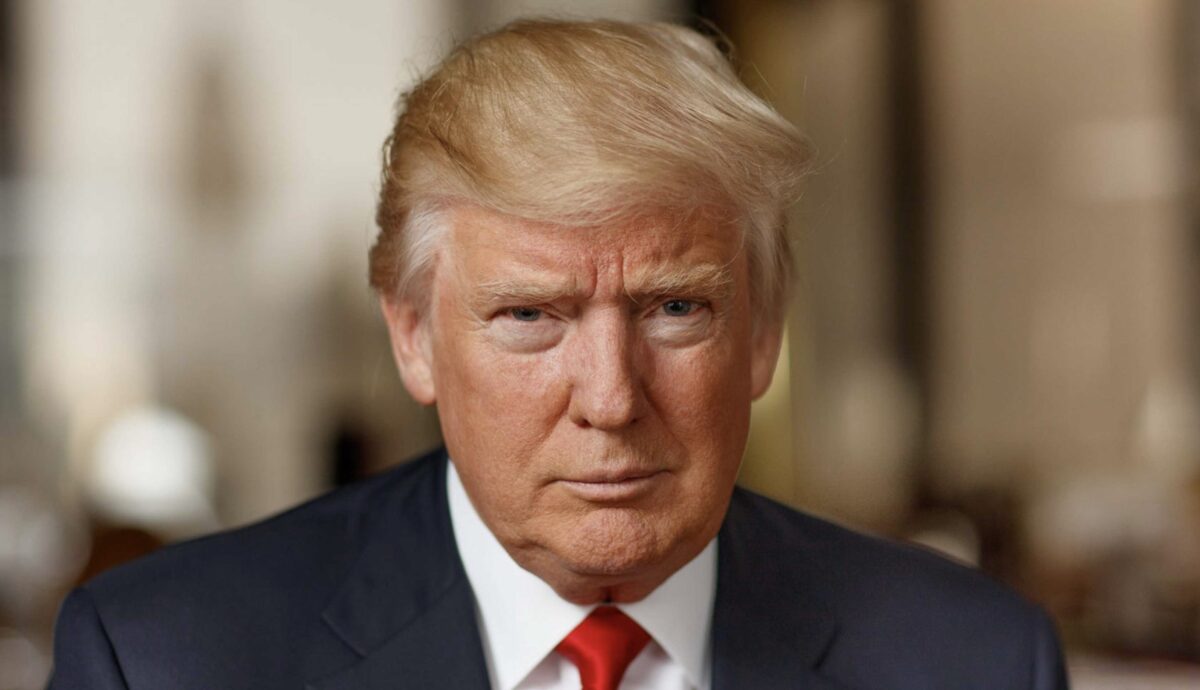
Trump moves to revoke U.S. citizenship of two Nigerians, 38 others
The prosecutors accused the 58-year-old of applying for immigration benefits under two different identities.
Economy
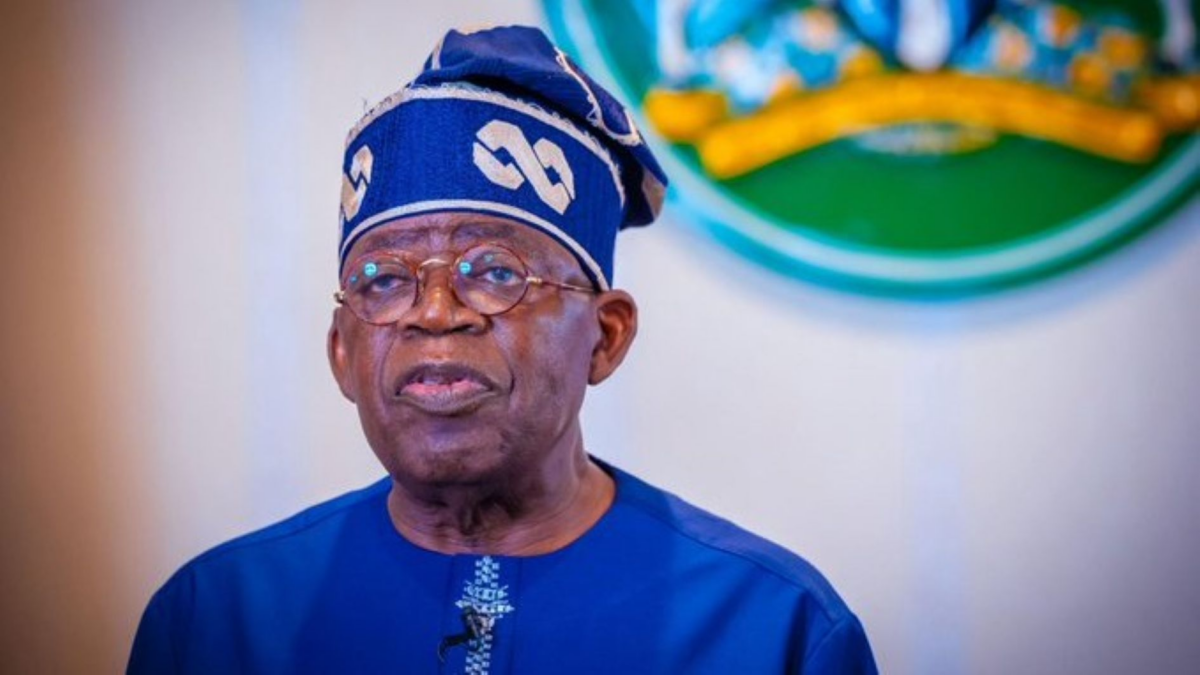
Nigeria rises four places to eighth in 2026 Bloomberg Economics Investment Risk-O-Meter
The growth was attributed to the economic policies of the Tinubu administration.
Heading 4
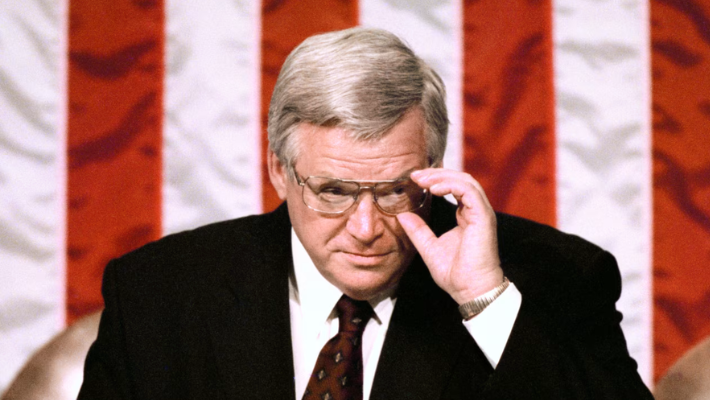
Longest-serving Republican speaker Dennis Hastert, soiled by allegations of molesting high school athletes, dies at 84
The deceased, who was speaker from 1999 until 2007, was sentenced in 2016 to more than a year behind bars.
Anti-Corruption
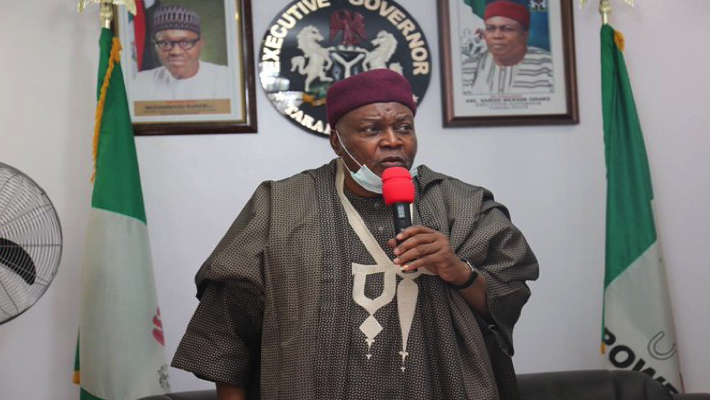
Witness reveals how funds were moved to private accounts in ex-Taraba governor’s trial
The judge adjourned the matter till October 6, 2026, for continuation of the evidence of PW3.

Education
JAMB moves to adopt UTME centre in Canada for 2027
The board said the centre would enable eligible Nigerians living in Canada to take the UTME without travelling to Nigeria.


