

Shettima, don seek robust national intelligence to tackle insecurity
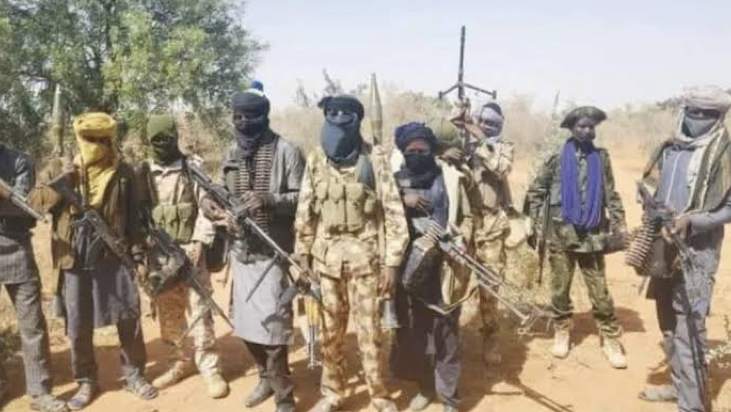
The Northern Stakeholders Consultati.ve Initiative has urged President Bola Tinubu to prioritise the establishment of a robust national intelligence framework that will ensure collaboration among various security agencies.
Convener of the initiative, Yerima Shettima, made the call during an interview in Lagos on Sunday.
Mr Shettima said enhancement of intelligence gathering and sharing was crucial to tackling security challenges.
He said, “This framework should focus on real-time data collection, analysis, and dissemination to ensure timely responses to emerging threats.
“By fostering a culture of inter-agency cooperation, the government can create a more comprehensive understanding of security dynamics across regions, enabling proactive measures rather than reactive responses.
“Insecurity often thrives in environments where communities feel alienated from the state. To combat this, President Tinubu can initiate programmes that foster community engagement and partnerships between local citizens and security outfits.
“Also, establishing community policing initiatives can empower residents to take an active role in their security, thereby enhancing trust between the populace and law enforcement agencies.”
Mr Shettima urged the government to train community leaders to recognise and report suspicious activities for intervention by security agencies.
He said the government should also involve traditional leaders and organisations in security discussions that could help tailor strategies that resonate with the unique cultural and social dynamics of different regions.
The convener said by leveraging technology, security agencies could enhance their operational efficiency and effectiveness, making it difficult for criminal elements to operate undetected.
He said, “Furthermore, the integration of technology into law enforcement can streamline communication channels, enabling quicker responses to incidents across the nation.”
Mr Shettima said while immediate security measures were crucial, it was equally important to address the underlying socio-economic factors that contribute to insecurity.
He said the President could implement policies aimed at reducing poverty, unemployment, and inequality, which often serve as breeding grounds for crime and violence.
The convener said investing in education, vocational training, and job creation initiatives would empower vulnerable populations and reduce their susceptibility to recruitment by extremist groups.
Mr Shettima said by fostering an inclusive economy that provides opportunities for all citizens, the government could mitigate the conditions that lead to insecurity.
Also, a professor of strategy and development, Prof Anthony Kila, urged the President to deploy the country’s tenets of intelligence, full military forces and use modern technology to combat criminal activities in the country.
Mr Kila, who is also the Director of the Commonwealth Institute of Advanced and Professional Studies (CIAPS), said the state should deploy legitimate and superior forces against terrorists and kidnappers.
The professor also urged massive deployment of security personnel in states ravaged by insurgency, saying massive deployment of boots, bullets and bombs would weaken terrorists’ capabilities.
He said, “I think clearly whether we like it or not insecurity is now staring us in the face because it is a problem that we have that the rest of the world is talking about. We need to realise that we are at war against those who are trying to destroy our lives.We are at war with terrorists. A lot of people think that we need to deploy all we can to destroy these people.”
Mr Kila urged the President to order security agencies to expose any form of corruption or collision with terrorists.
The professor also urged tight monitoring of the country’s borders to check smuggling of arms and ammunition into the country by criminal elements.
Mr Kila said government should not hesitate to seek or accept help within the West African region and beyond in its fight against terrorists.
(NAN)

We have recently deactivated our website's comment provider in favour of other channels of distribution and commentary. We encourage you to join the conversation on our stories via our Facebook, Twitter and other social media pages.

More from Peoples Gazette

Agriculture
FG tasks ECOWAS on leveraging financing strategies for agroecology
The federal government has urged stakeholders in the agriculture and finance sectors in the West Africa region to leverage financing strategies to enhance agroecology practices

Politics
Katsina youths pledge to deliver over 2 million votes to Atiku
“Katsina State is Atiku’s political base because it is his second home.”

NationWide
Troops neutralise suspected female terrorist spy, arrest 14 suspects
Troops neutralised a suspected female ISWAP/JAS spy in Borno State and arrested 14 suspected criminals nationwide.
Africa
Xenophobic Attacks: Ghana to evacuate additional 1,000 citizens from South Africa
The Ghanaian government said the latest phase of evacuations is expected to cover about 1,000 citizens and will be done in groups.
States
Northern leaders urge return to strategic leadership to address region’s challenges
Mr Abdullahi said the region’s current socio-economic and leadership challenges stem from abandoning the principles handed down by its founding leaders.
Lagos
Lagos police arrest woman over alleged N450 million land fraud
Police said each victim paid N9.45 million for the proposed land transactions.

Heading 4
Gumi renews call for bandit amnesty, says Jonathan, Osinbajo appeased Niger Delta militants
Mr Gumi urged the federal government to extend amnesty to Boko Haram terrorists and bandits.
NationWide
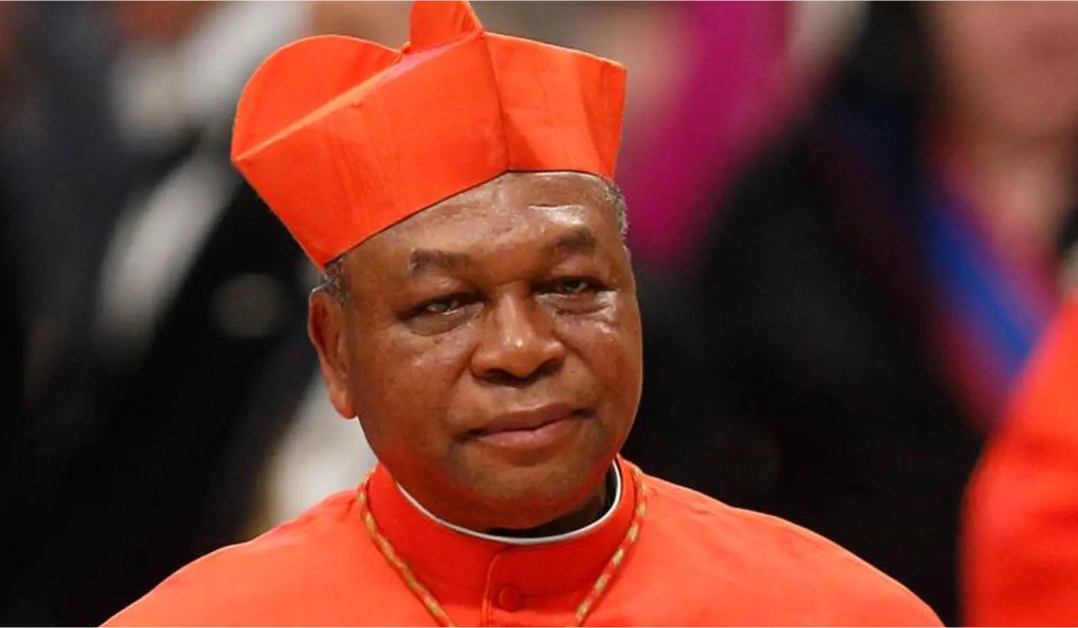
2027: Embrace politics, pursue governance roles, Onaiyekan tells Nigerian women
“The difference is clear between men and women, but that difference should never be interpreted to mean that women are less,” the cleric said.


