

Soldiers’ monthly allowances raised to N60,000 from N20,000 amid Boko Haram battle: Survey
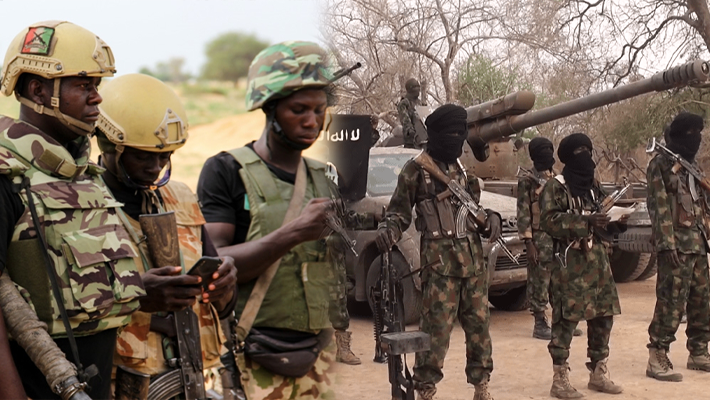
The welfare of Nigerian troops in various theatres of operation across the country has improved significantly in recent times, according to a survey.
The findings revealed that increased allowances, better feeding arrangements, and a more structured rotation policy are fostering greater satisfaction among frontline troops and boosting their morale to combat insurgency and other security threats.
Soldiers, who spoke on condition of anonymity, acknowledged noticeable improvements in their welfare packages, particularly in operational allowances and feeding.
They disclosed that frontline troops now receive operational allowances of up to N60,000 monthly, a marked increase from the N20,000 previously paid.
They also disclosed that their ration allowance funds provided for daily feeding had been doubled, and that they have contributed to better nutrition and overall well-being in the field.
”The difference is clear. What we receive now is better than what it used to be. It may not be perfect, but there is improvement,” one soldier said.
Corroborating this, some officers who declined to disclose exact figures confirmed that welfare provisions for troops had been substantially enhanced in recent times.
One senior officer noted that operational allowances were now paid uniformly to personnel deployed in combat zones regardless of rank.
According to him, this is a shift from previous practices.
He added that although the allowance used to be around N45,000, it had since been reviewed upward in line with ongoing reforms aimed at improving troops’ welfare.
Regarding prompt payment, sources indicated that while delays were previously a concern, disbursements of allowances have been more consistent and timely in recent months.
”There is better coordination now. Payments come more regularly than before,” another source said.
Beyond financial incentives, it was gathered that the Nigerian Army had strengthened its troop rotation policy to reduce fatigue and maintain operational effectiveness.
Soldiers interviewed said the current guideline allows a soldier to spend a maximum of three years in a frontline theatre before being rotated out, though many are redeployed earlier depending on operational requirements.
”No one is expected to stay beyond three years. In most cases, it is even less,” a soldier stated.
Another officer said that the introduction of welfare flights by the army chief in 2023 had eased the movement of troops completing their tours, ensuring safer and faster redeployment to their home bases.
Meanwhile, army spokeswoman Appolonia Anele said army chief Waidi Shaibu had ensured that troops’ welfare remained paramount in the operational areas.
Ms Anele said the army had put in place several welfare initiatives to boost troops’ morale and enhance their operational readiness and commitment, such as enhanced allowances and welfare flights.
In recent operations around Mallam Fantori and adjoining communities in Borno, troops of Operation Hadin Kai repelled terrorist attacks and carried out counter-offensives that neutralised several insurgents, disrupted their logistics and rescued kidnapped victims.
Spokesman for Operation Hadin Kai Sani Uba said the success underscored the growing effectiveness of troops driven by better coordination and sustained offensive actions.
On inter-service collaboration, defence minister Christopher Musa, reiterated the importance of a unified and coherent doctrinal framework in addressing the country’s complex security challenges.
While declaring open the inaugural lecture of the defence chief at the newly established Joint Doctrine and Warfare Centre in Abuja on Tuesday, Musa noted that the nation’s security environment was complex and evolving.
He said the establishment of the Joint Doctrine and Warfare Centre reflected the Armed Forces of Nigeria’s commitment to strengthening national defence architecture through doctrine-driven operations.
According to him, the centre is enhancing interoperability among services and providing a common operational framework to address evolving security threats.
”The level of cooperation is much better now. The services work closely, share intelligence and plan together,” he said.
Nigerian troops are currently engaged in multiple operations, including counter-insurgency efforts in the North-East, anti-banditry campaigns in the North-West and internal security operations in other parts of the country.
(NAN)

We have recently deactivated our website's comment provider in favour of other channels of distribution and commentary. We encourage you to join the conversation on our stories via our Facebook, Twitter and other social media pages.

More from Peoples Gazette

States
Independence: NBA urges Nigerians to expect better future
The NBA said that ordinary Nigerians should be deriving benefit from the subsidy removal rather than hardship.

Agriculture
FG tasks ECOWAS on leveraging financing strategies for agroecology
The federal government has urged stakeholders in the agriculture and finance sectors in the West Africa region to leverage financing strategies to enhance agroecology practices

Politics
Katsina youths pledge to deliver over 2 million votes to Atiku
“Katsina State is Atiku’s political base because it is his second home.”
States
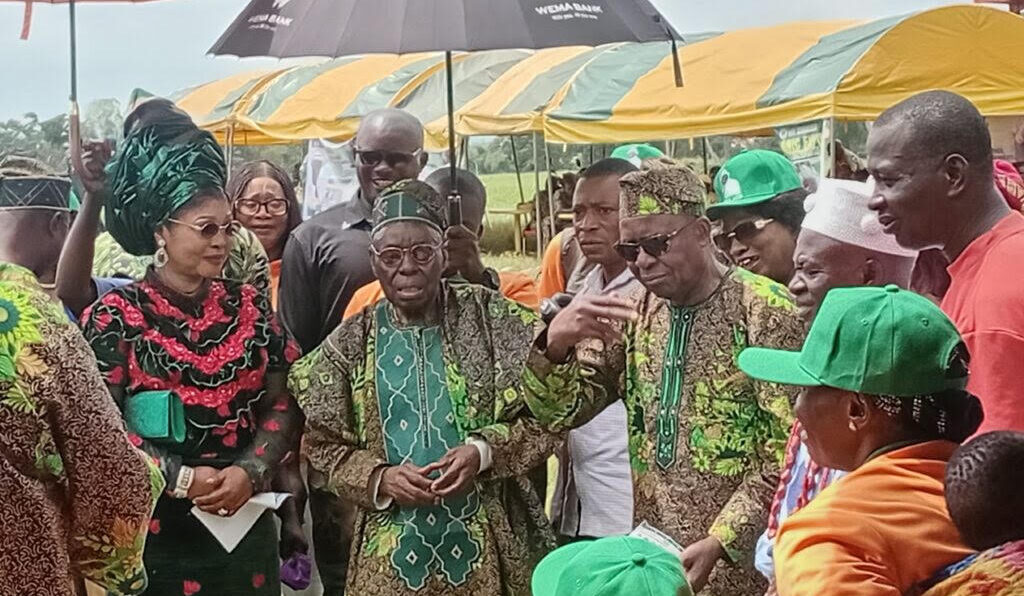
Ekiti: Afe Babalola urges youths to embrace agriculture, empowers 32 with farming skills
The beneficiaries were trained in plantain chips production, packaging and marketing.

Heading 1
Gov. Zulum urges Tinubu govt to resume oil exploration in Borno
Mr Zulum said responsible exploration and development of the state’s natural resources would strengthen local economies.
Abuja
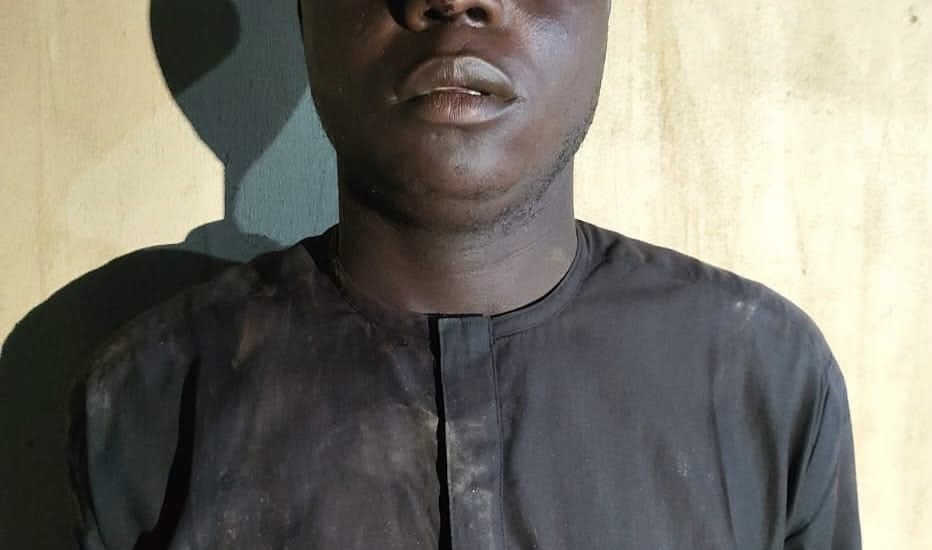
Man arrested for allegedly raping minor in Abuja
The spokesperson added that the victim was receiving medical care and assessment.

States
2027: North-Central APC leaders launch mobilisation movement for Tinubu
Mr Sule expressed confidence that the region would deliver the highest number of votes for Mr Tinubu.
States
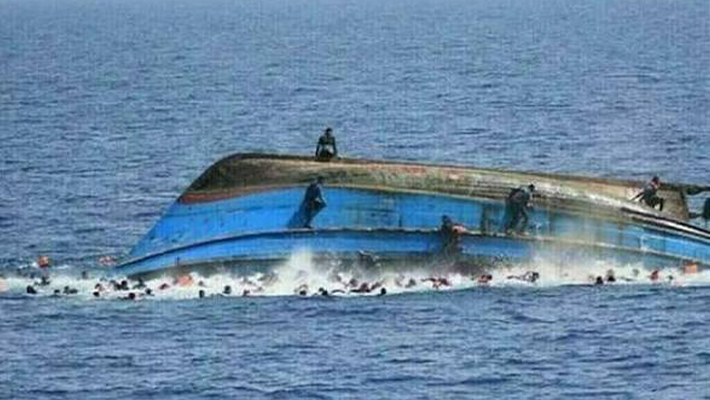
More than 60 passengers rescued after boat accident in Benue
According to the chairman, the rescue operation was complicated by strong water waves.
Health
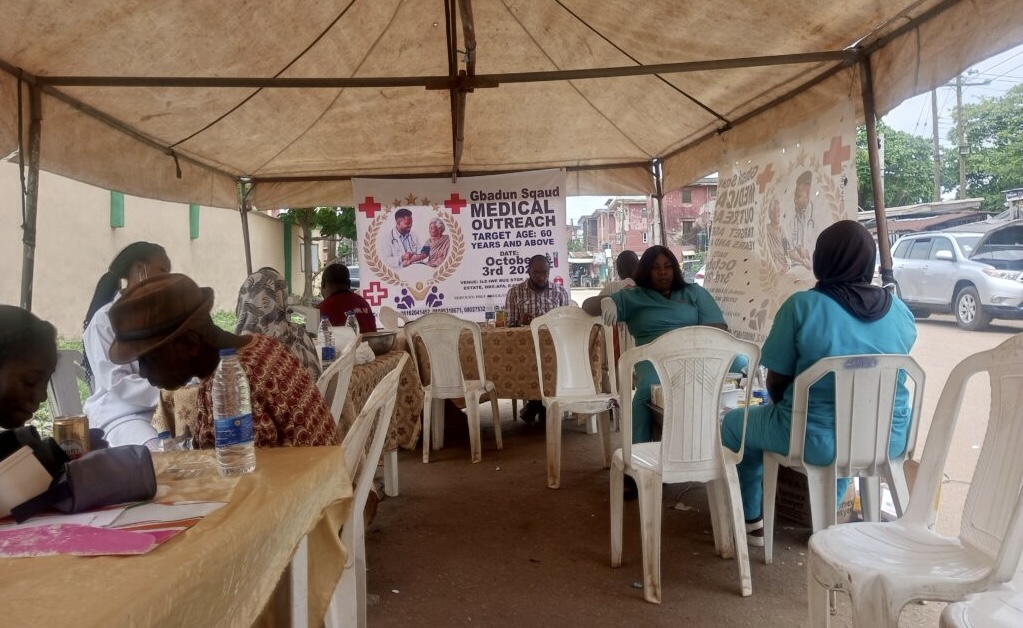
Lagos youth group organises free medical outreach for 200 residents
The medical doctor said participants were treated based on their diagnoses.


