

South Korea to give cash relief to 36 million people amid rising fuel prices

South Korea says it plans to roll out a second batch of cash assistance for the bottom 70 per cent of income earners to ease financial strain caused by rising fuel prices amid the war in the Middle East.
According to officials on Monday, the National Assembly has approved a ₩26.2 trillion ($17.8 billion) extra budget bill to address the economic fallout from the Middle East conflict, which includes the introduction of the cash assistance plan.
Under the first programme launched in April, the government handed out up to ₩600,000 to recipients of basic livelihood security and other vulnerable groups.
The government will begin accepting applications next Monday for the second round of the assistance programme.
Eligible individuals living in the broader Seoul area will receive ₩100,000, while those in areas with declining populations may receive up to ₩250,000 each.
Assistance eligibility will be determined by a household’s national health insurance payment in March this year. For single-person households, those who paid ₩130,000 or less will be eligible.
In terms of annual income, a single-person household earning 43.4 million or less per year is expected to be eligible for assistance.
A welfare ministry official, however, noted that eligibility will be based on the national health insurance payment.
Also, about 930,000 households that held assets exceeding ₩1.2 billion as of 2025 or earned more than ₩20 million in financial income in 2024 will not be eligible for the programme, according to the official.
The government will accept applications for the cash assistance through July 3.
Recipients can receive the assistance through their credit and debit cards, prepaid cards or local currency vouchers.
The funds, which will expire August 31, can only be used at small local businesses with annual sales of ₩3 billion or less.
Interior Minister Yun Ho-jung, in a briefing, said, “The high-oil price support fund is expected to reduce the people’s burdens stemming from the prolonged war in the Middle East and revive dampened consumption.”
(Yonhap/NAN)

We have recently deactivated our website's comment provider in favour of other channels of distribution and commentary. We encourage you to join the conversation on our stories via our Facebook, Twitter and other social media pages.

More from Peoples Gazette

States
Independence: NBA urges Nigerians to expect better future
The NBA said that ordinary Nigerians should be deriving benefit from the subsidy removal rather than hardship.

Agriculture
FG tasks ECOWAS on leveraging financing strategies for agroecology
The federal government has urged stakeholders in the agriculture and finance sectors in the West Africa region to leverage financing strategies to enhance agroecology practices

Politics
Katsina youths pledge to deliver over 2 million votes to Atiku
“Katsina State is Atiku’s political base because it is his second home.”
Economy
Dangote, Botswana exchange back NGX push for cross-border investment
Dangote Industries and the Botswana Stock Exchange endorsed NGX’s efforts to expand cross-border investment opportunities across African capital markets.

Entertainment
Family confirms gospel artiste Toluwanisings’ demise
The family said funeral arrangements for the gospel artiste would be communicated later.
Heading 2
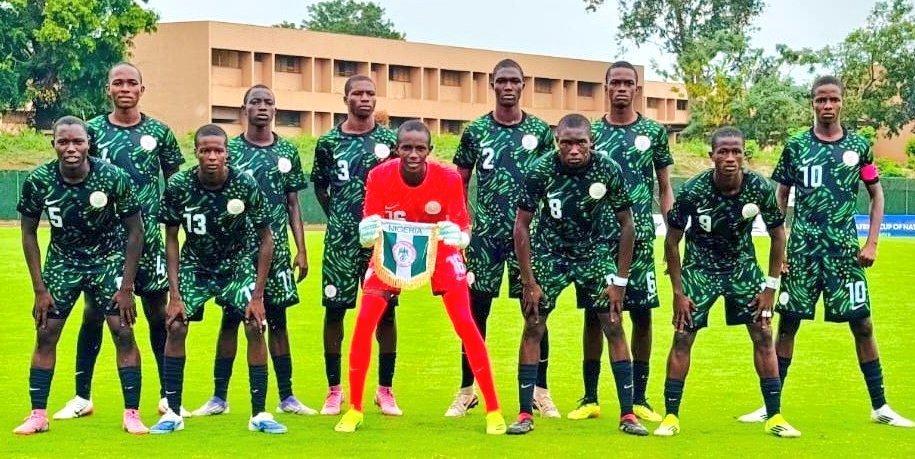
Golden Eaglets lose 2-1 to Niger Republic in WAFU U-17 AFCON qualifier
The result means Niger Republic top the group with four points after two matches.
States
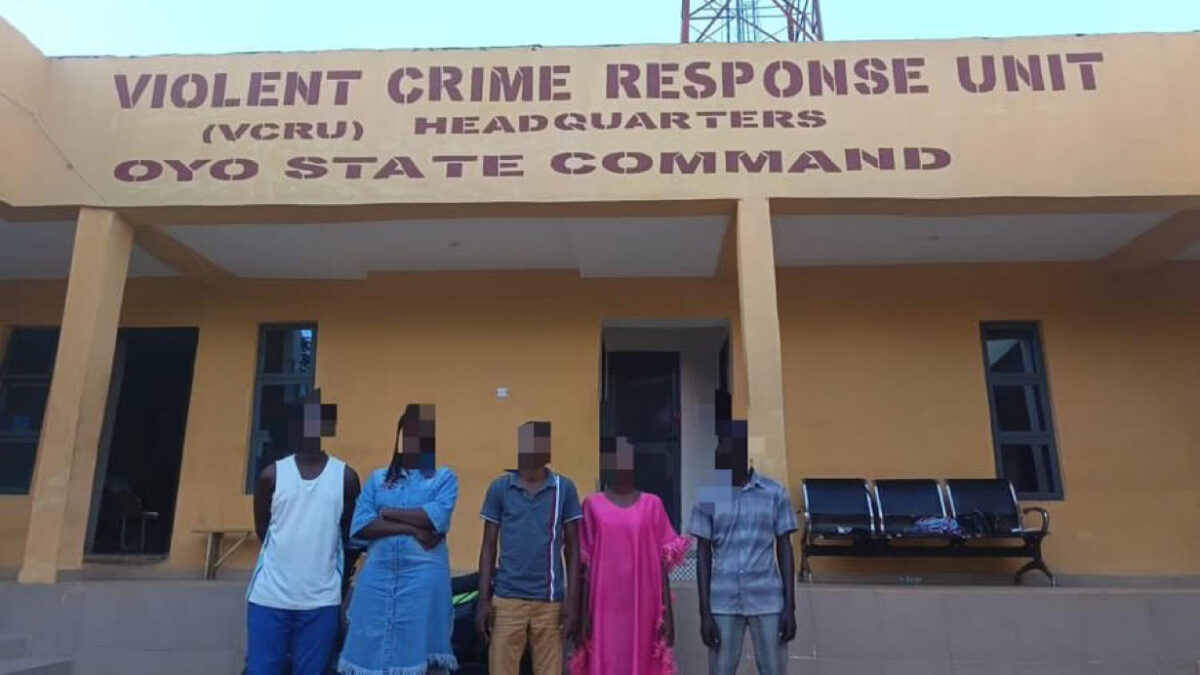
Human Trafficking: Police rescue Congolese nationals in Oyo
Mr Olayinka said the suspect was not found at the hotel during the operation.
Heading 5
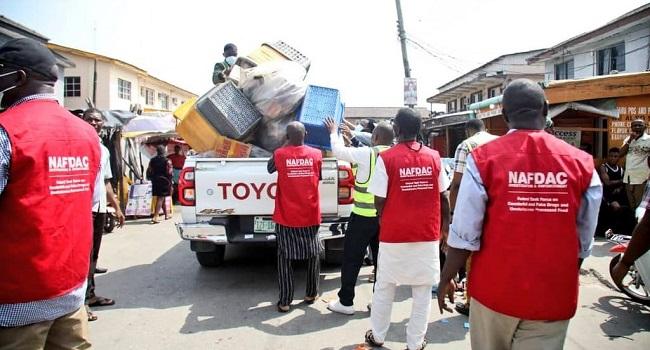
NAFDAC raids Aba market, seizes fake packaging materials worth N200 million
NAFDAC stated that an invitation had been extended to the market union chairman.

States
Osun police nab man for allegedly defiling 15-year-old girl
Mr Ojelabi explained that the suspect used his closeness to the family to perpetrate the act.


