

Stakeholders differ on FG’s embargo on establishment of new public varsities

Stakeholders in the education sector, in separate interviews with journalists, expressed divergent views on the federal government’s decision to place an embargo on the establishment of new public universities.
Oguguo Egwu, former chairperson of the Academic Staff Union of Universities (ASUU), Alex Ekwueme Federal University, Ndufu-Alike, Ikwo (AE-FUNAI), lauded the federal government’s decision to halt the establishment of new public universities.
Mr Egwu said in Abakaliki on Friday that the seven-year moratorium aligns with ASUU’s longstanding position that the unchecked creation of public universities, while existing ones remain underfunded, is counterproductive.
“In recent years, the establishment of universities has almost become a form of constituency project, driven by political expediency rather than genuine commitment to education,” he said.
He welcomed the decision as a necessary step towards building a world-class university system.
Mr Egwu, who also leads the Nigeria Labour Congress (NLC) in Ebonyi, however, expressed concern over the simultaneous approval of new private universities, describing it as potentially harmful to public higher education.
He argued that, with private universities accounting for less than 10 per cent of undergraduate enrolments, most Nigerians could not afford their fees.
“What Nigeria urgently needs is not more private universities for the elite, but proper funding and revitalisation of its public education system—primary, secondary, and tertiary,” he said.
However, some stakeholders expressed contrary views.
Patience Okorie, a parent, argued that the embargo could jeopardise access to higher education, given the limited capacity of existing public universities.
“If we don’t lift this embargo on public universities, we are consigning the poor to exclusion; by favouring only private ones, the government is turning education into a luxury, not a right,” she said.
A senior management staff member of Ebonyi State University (EBSU), who preferred anonymity, also said public institutions were overstretched.
“Our classrooms are overcrowded, our laboratories under-equipped, yet we churn out thousands of qualified candidates every year. More public universities are necessary if we truly value education,” the source said.
Similarly, Chukwuma Nwafor, a retired lecturer, and Grace Otu, an education activist, stated that the policy amounted to commercialising higher education.
“Nigeria has the resources to fund more public universities if there is political will and priority given to university education,” they said.
The Minister of Education, Tunji Alausa, defended the approval of nine new private universities, explaining that they had undergone a 13-step verification process by the National Universities Commission (NUC).
He stated that the moratorium on new public universities was intended to allow for a review of guidelines and ensure quality.
According to NUC, Nigeria currently has about 300 universities, comprising 73 federal, 67 state, and 160 private institutions.
This meant that private universities now accounted for more than half of all universities nationwide, reflecting rapid expansion driven largely by private investors.
(NAN)

We have recently deactivated our website's comment provider in favour of other channels of distribution and commentary. We encourage you to join the conversation on our stories via our Facebook, Twitter and other social media pages.

More from Peoples Gazette

States
Independence: NBA urges Nigerians to expect better future
The NBA said that ordinary Nigerians should be deriving benefit from the subsidy removal rather than hardship.

Agriculture
FG tasks ECOWAS on leveraging financing strategies for agroecology
The federal government has urged stakeholders in the agriculture and finance sectors in the West Africa region to leverage financing strategies to enhance agroecology practices

Politics
Katsina youths pledge to deliver over 2 million votes to Atiku
“Katsina State is Atiku’s political base because it is his second home.”
States
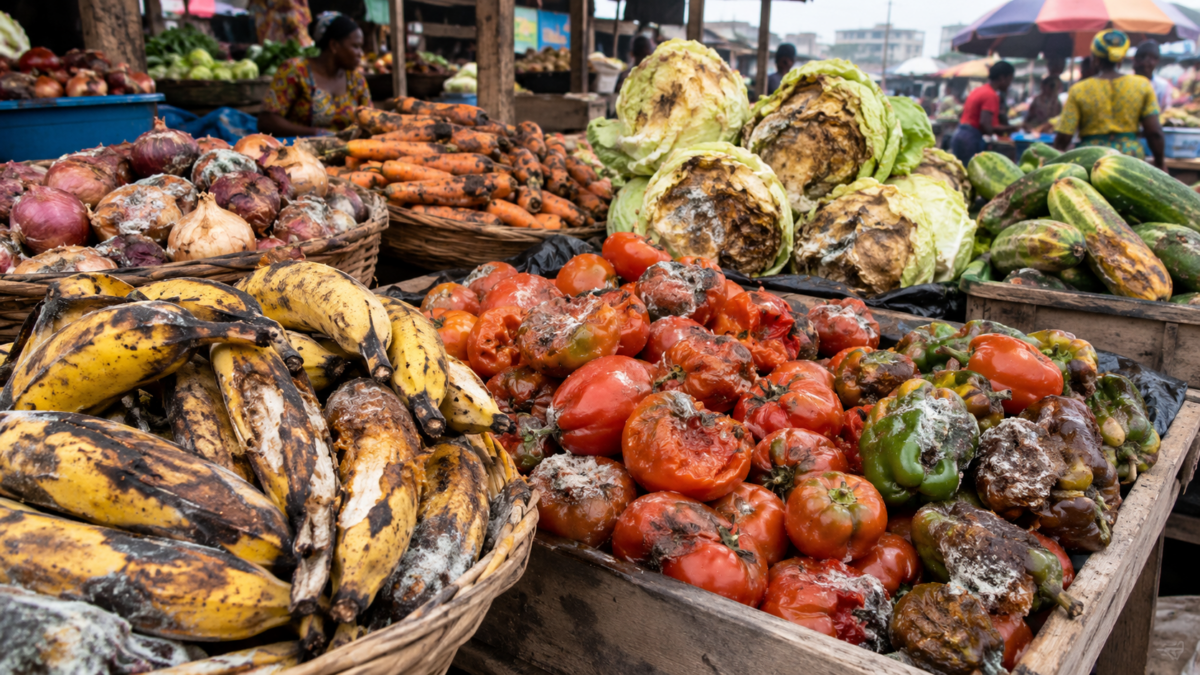
Lagos traders, consumers lament losses from spoilt fruits, vegetables
Traders and consumers called for improved transportation, better storage, and affordable preservation facilities to reduce waste.

World
Houthi Attack: U.S. issues second security alert to citizens in Saudi Arabia in two days
This follows warnings from Australia, the U.S., and the UK urging citizens to avoid travelling to Saudi Arabia because of security concerns.
Hot news Home top
Makinde lied NLNG paid N9 trillion dividends to Tinubu govt; he should guard his public utterances: Presidency
The presidency advised Mr Makinde to desist from making falsehoods and disinformation the hallmarks of his campaign.
Health
Katsina health workers suspend seven-day warning strike
The suspension, which took effect at midnight on October 18, followed a meeting between the association and Mr Radda on October 16.

World
Trump admin resumed intelligence sharing with Ukraine after pause: Zelenskyy
Mr Zelenskyy said Russia has intentionally struck Ukraine’s energy infrastructure 76 times since Mr Trump announced that both countries had agreed to an energy ceasefire.

World
Three men sentenced to 158 years each for killing surfers in Baja California
Jake and Callum Robinson and their American friend Carter Rhoad, 30, were shot in the head, and their bodies were dumped in a deep well.


