

Stakeholders express concerns over self-service filling stations
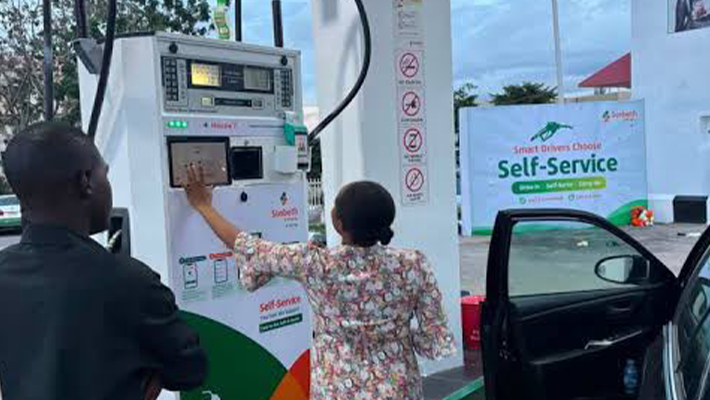
Stakeholders have expressed concerns over the future of petrol attendants whose jobs could be affected by the introduction of self-service fuel dispensing in the country.
The stakeholders were reacting to the model emerging in Nigeria, with Sunbed Energy deploying the system in Lagos and the Federal Capital Territory.
A public analyst, Jide Ojo, said in an interview on Monday in Abuja that self-service dispensing could help address complaints of customers receiving less fuel than they paid for.
However, he said there was a possible downside in terms of job losses.
According to him, some large filling stations employ as many as 30 fuel attendants, many of whose duties could become unnecessary if motorists routinely dispense fuel themselves.
“It is a good development because nobody is cheating you of the true value of the fuel that is dispensed in your vehicle, but it will create unemployment in the country,” he said.
Economist Aliyu Ilias said that self-service fuel dispensing had been used in Europe and other parts of the world for decades.
He said Nigeria’s growing use of electronic payments could make the system easier to implement but questioned whether the country was psychologically and institutionally prepared for the transition.
“Self-service is good if there is adequate system technology, especially from the CBN,” Mr Ilias said.
He said that employment remained a major concern as automation expanded across different sectors.
Mr Ilias said that although self-service could be economical for fuel companies, it would likely reduce the number of employees required at filling stations.
Labour leader Owei Lakemfa said Nigeria’s relatively recent adoption of self-service fuel dispensing showed how slowly some technologies have been introduced into the country.
Mr Lakemfa is the former secretary-general of the Organisation of African Trade Union Unity. He said that self-service fuel stations existed internationally for decades and identified several potential benefits, including reduced waiting times and fewer opportunities for manipulation of fuel pumps.
Mr Lakemfa also highlighted the employment implications. According to him, widespread adoption can reduce the need for fuel attendants across filling stations and contribute to unemployment. He said Nigeria would need to prepare for the social consequences of technological change by developing measures to support workers displaced by automation.
“This goes beyond whether motorists should dispense their own fuel. It raises a broader question about how Nigeria can adopt technologies. It is also about how Nigeria can improve efficiency and reduce opportunities for malpractice while ensuring that workers affected by automation are not left without alternatives.
“As self-service dispensing gradually gains a foothold in the Nigerian downstream petroleum sector, its long-term impact will not only be on the technology itself. It also depends on how businesses, regulators and policymakers manage the transition for workers and consumers,” he said.
(NAN)

We have recently deactivated our website's comment provider in favour of other channels of distribution and commentary. We encourage you to join the conversation on our stories via our Facebook, Twitter and other social media pages.

More from Peoples Gazette

Agriculture
FG tasks ECOWAS on leveraging financing strategies for agroecology
The federal government has urged stakeholders in the agriculture and finance sectors in the West Africa region to leverage financing strategies to enhance agroecology practices

Politics
Katsina youths pledge to deliver over 2 million votes to Atiku
“Katsina State is Atiku’s political base because it is his second home.”
![Nigerian Upstream Petroleum Regulatory Commission [NUPRC]](https://gazettengr.com/wp-content/uploads/NUPRC.png)
Economy
Crude Oil: Domestic refiners secured 112 million barrels out of 182 million offered, says NUPRC
The 112 million barrels represent 61.4 per cent of the crude offered, leaving a gap of 70 million barrels between offers and completed transactions.
States
SFH hands over healthcare project to Kano govt, trains 6,500 medicine vendors
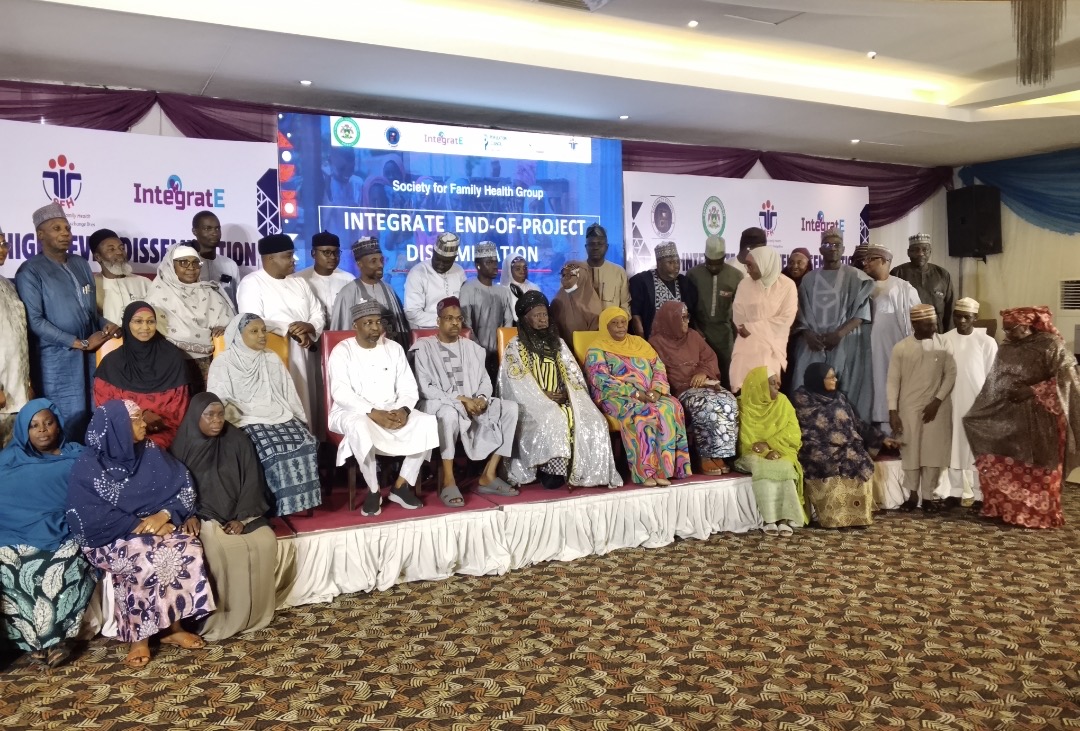
The Society for Family Health (SFH) handed over its integratE project to the Kano State government.

NationWide
Fresh $1.5 billion Loan: Atiku tells Tinubu to account for money already borrowed
Mr Abubakar accused President Bola Tinubu of running a government that demands endless sacrifice from Nigerians while endlessly reaching for fresh loans.

World
EU sanctions Russian officials over Yabloko’s exclusion from election
Ten people were added on Monday to the EU’s lengthy list of individuals and organisations hit with asset freezes and travel bans for supporting the Kremlin.

Economy
EU-funded AgriFI invests $2.5 million in Tomato Jos
The EU-funded Agriculture Financing Initiative (AgriFI) has invested $2.5 million in Tomato Jos Incorporated to expand climate-smart tomato production.

Lagos
Lawmaker facilitates rehabilitation of Apapa roads
The federal government will soon begin reconstructing and rehabilitating two roads in the constituency, a federal lawmaker has said.


