

Subsidy Removal: Residents in Osun, Ekiti beg Tinubu to speedily implement palliatives
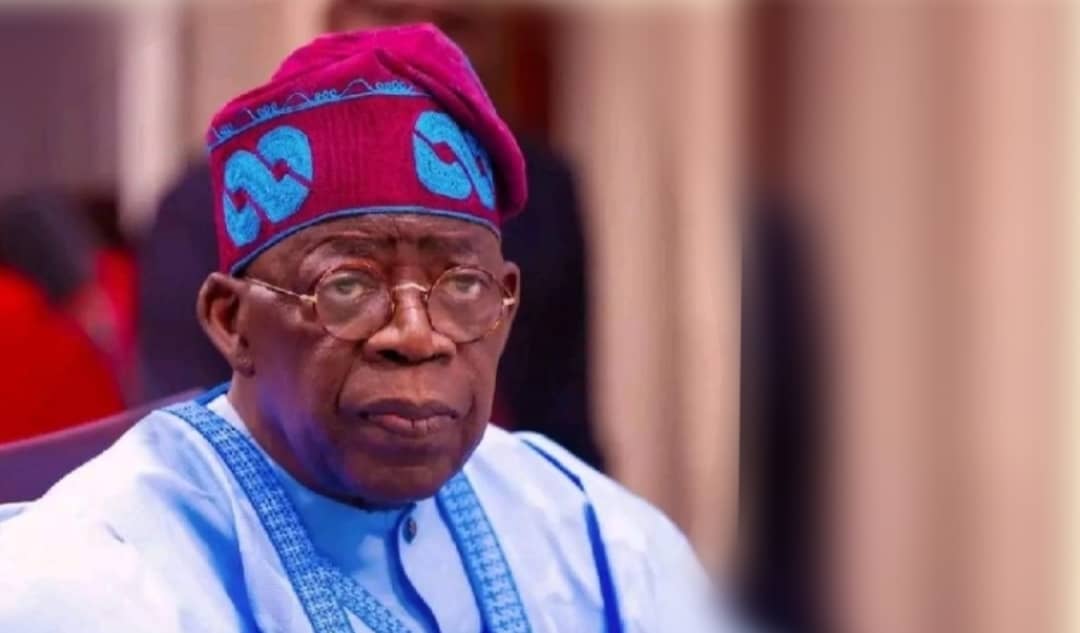
Residents in Osun and Ekiti states have appealed to the federal government to provide special funds to states to assist in ameliorating the effects of the fuel subsidy removal on the economy.
At the twilight of the President Muhammadu Buhari administration, the federal government announced that the country could not continue to sustain subsidy on fuel importation.
Subsequently, at the inauguration of President Bola Tinubu’s government on May 29, he announced the removal of fuel subsidy while the official pump price of fuel increased from N185 to N500 per litre and barely two months later increased to N617 per litre.
The increase in pump price of fuel and its attendant effect led to rise in cost of transportation, foodstuff and other services, thus affecting every sphere of the nation’s life, on account of which some state governments directed that civil servants should report to work only three days in a week.
A survey conducted in the three states shows that many Nigerians have abandoned the use of their vehicles as a result of the exorbitant cost of petrol, preferring to commute to their destinations.
Respondents to the survey appealed for speedy implementation of government palliative, including provision of commercial buses by to cushion the effect of the removal of fuel subsidy.
Olawale Rasheed, the spokesman of Gov. Ademola Adeleke, said that the state government would soon unveil palliatives to cushion the effect of the recent subsidy removal.
Mr Rasheed said that the planned intervention would include support to public transport owners, monitoring of fuel stations and review of public sector work time.
He said top officials were finalising the state palliative plan in line with the directives of Mr Adeleke.
“The governor’s plan is to be sustainable, impactful and result-oriented.
“Mr Governor is set to announce the state plan to cushion the effect of the hike in fuel price. Our Governor is pro-people and pro-worker.
“He wants an all-encompassing intervention in which all strata of the society will benefit,” he said.
Mr Rasheed also stressed that the governor was working tirelessly to make life bearable for the people of the state.
He also explained that the meagre resources available in Osun were being used to provide social amenities across the state.
In Ekiti, a member of civil society organisations (CSOs), Gbenga Ilori, urged the government to strive to revive its moribund transport company, “Ekiti Kete Transport Company”.
This is just as he also called on the federal government to evolve a system or programme to help states in this direction in order to cushion the effect of the removal of fuel subsidy on Nigerians.
He described the hardship the removal had caused the masses as unprecedented, saying something drastic needed to be done to alleviate it.
According to him, many residents, especially workers, are currently finding things difficult as they now spend more money on transportation to their workplaces than what they earn, while many others have resorted to trekking long distances.
Also, an engineer with the state ministry of works, Fatai Alaba, suggested the adoption of alternatives to fuel-powered vehicles for Nigerians.
“Federal government can import or make gas-powered vehicles for Nigerians to cushion the effects of hardship on the people,” he said.
A civil servant, Sola Kehinde, advised the state government to resuscitate transport companies in their states and ensure they pick their staff at different locations to their workplaces.
“We don’t have such facilities in Ekiti state, though there used to be one called “Ekiti Kete Transport Company.
“I am using this medium to call on our governor to resuscitate the moribund company, so as to make life easy for the common man.
“I spend more on transportation these days and this is fast affecting my family. At times, I walk far distance before I can get to work,” she said.
Another resident, a retired teacher, Isaac Adewale, urged the Federal government to urgently put in place measures to assist the people most affected by the removal of the fuel subsidy and prioritise addressing widespread hunger, high unemployment and the rapidly falling standard of living.
He said that government at all levels should consider implementing targeted subsidies, saying these subsidies can be directed towards vulnerable groups, such as low-income earners and unemployed people.
The retired teacher further said that by providing financial assistance to those most affected, the government would help ease the burden and ensure that basic needs of the citizens were met.
He also suggested to government to put in place price stabilisation measures to prevent excessive price fluctuation on essential goods and services, saying this can be achieved through mechanism such as price control or regulations that prevent unjustified price hikes.
Mr Adewale said that by ensuring that prices remained reasonable and within the reach of the average Nigerian, the government would be doing the populace a lot of favour towards cushioning the impact of fuel subsidy on the cost of living.
(NAN)

We have recently deactivated our website's comment provider in favour of other channels of distribution and commentary. We encourage you to join the conversation on our stories via our Facebook, Twitter and other social media pages.

More from Peoples Gazette

States
Independence: NBA urges Nigerians to expect better future
The NBA said that ordinary Nigerians should be deriving benefit from the subsidy removal rather than hardship.

Agriculture
FG tasks ECOWAS on leveraging financing strategies for agroecology
The federal government has urged stakeholders in the agriculture and finance sectors in the West Africa region to leverage financing strategies to enhance agroecology practices

Politics
Katsina youths pledge to deliver over 2 million votes to Atiku
“Katsina State is Atiku’s political base because it is his second home.”

Sport
2027 AFCON Qualifier: Guinea-Bissau beat Madagascar, extend lead over Nigeria in Group L
Guinea-Bissau now have 10 points, Nigeria seven points, while Madagascar and Tanzania have two points each.
Africa
WHO raises concern over rising Bundibugyo Ebola deaths, insecurity in DR Congo
Mr Ghebreyesus said the outbreak, declared six months ago, had spread across 67 health zones in eight provinces in the DR Congo.

Africa
Afreximbank urges industries to boost intra-African trade as alternative to China in global markets
“As global markets look to diversify production beyond China, Africa must position itself as a natural partner of choice,” Mr Maayergi said.

World
Russell Brand faces probe over prison message to supporters
Mr Brand was convicted at Southwark Crown Court of one count of rape and three counts of sexual assault.
Politics
Tinubu admits cost-of-living crisis after APC dismissed widespread hunger claims
According to Mr Tinubu, the 2027 election is about the country’s future and direction.

World
WHO pushes for stronger vaccination, screening, treatment to eliminate cervical cancer
WHO said that expanding HPV vaccination, improving screening access, and ensuring timely treatment are critical to protecting women.


