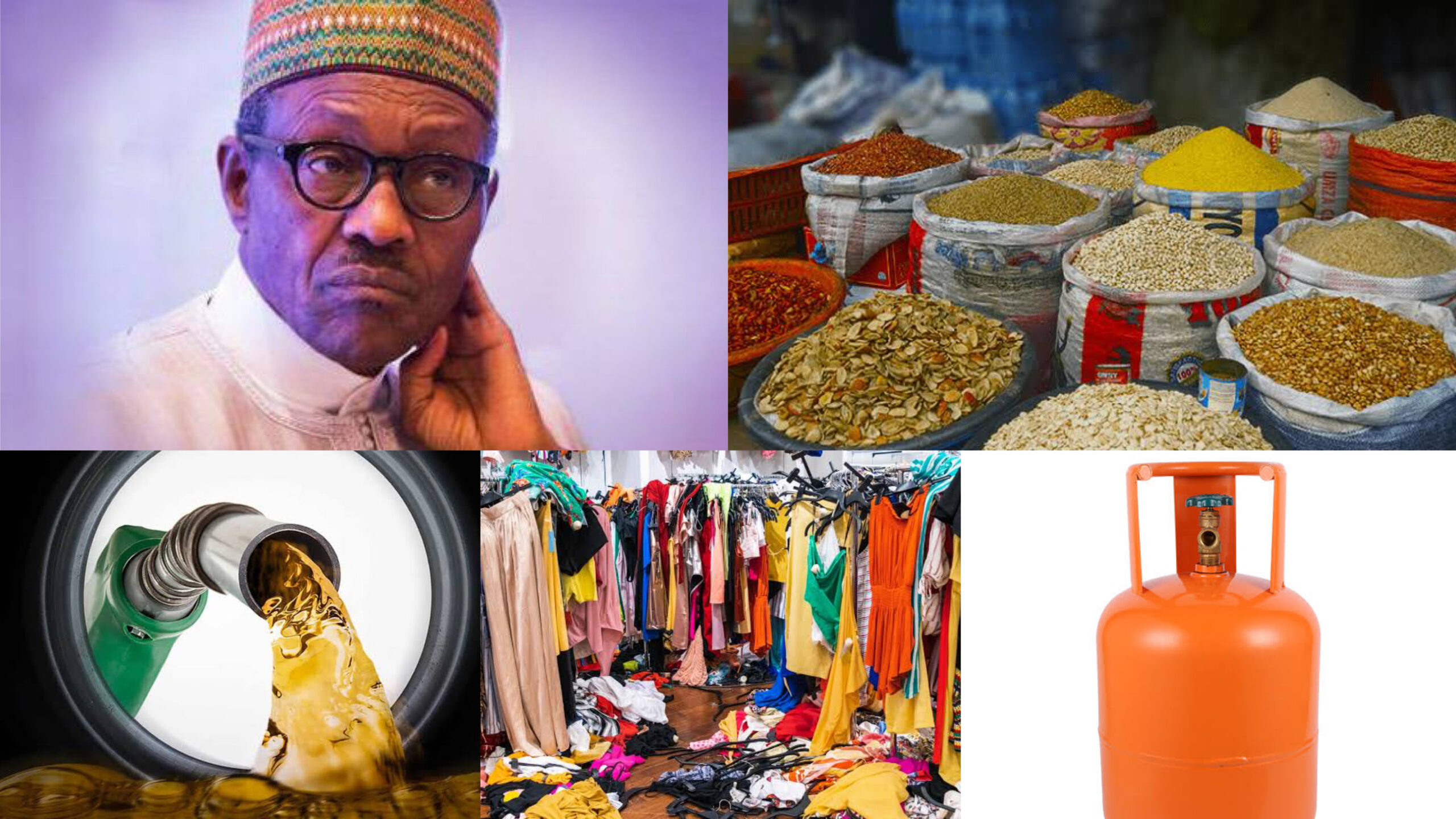
On a year-on-year basis, the headline inflation rate in June was 4.19 per cent higher than the rate recorded in June 2022 at 18.6 per cent.

The chairman said the commission reviewed the remuneration packages in the reports based on subjective and objective criteria.

According to NBS, food inflation decreased from the previous month’s 24.13 per cent to 23.75 per cent in the month under review.
The new figure is an increase from the 20.77 per cent figure recorded in September.
The biggest jump in food prices since 1980 pushed British inflation back into double digits last month, matching a 40-year high hit in July in a new blow for households.

The increase was 4.14 per cent points higher compared to the rate recorded in September 2021 at 16.63 per cent.
The two labour unions said they would begin the strike on Thursday in a move that could halt the export of critical minerals and other cargo.

The latest inflation data represents a 0.88 per cent increase from the 19.64 per cent recorded in July 2022.
“Then the domestic currency will be more stable, and the foreign exchange demand triggering inflation will begin to dip,” said one of the experts.
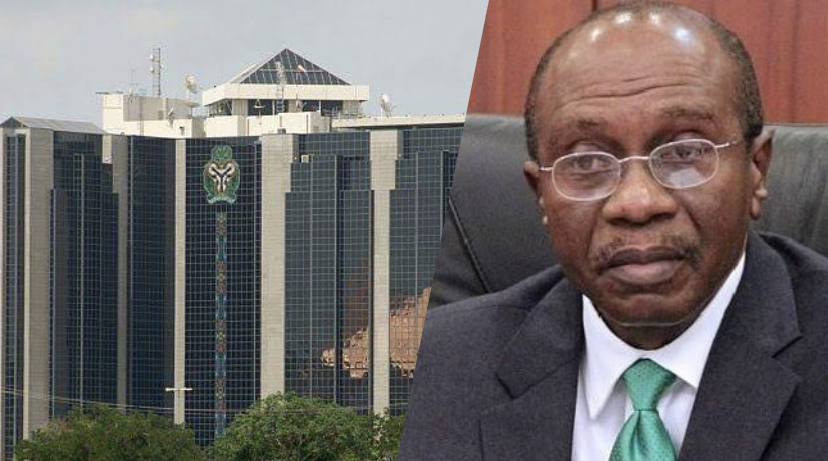
The NBS claims that increases in the cost of bread and cereals, food items, potatoes, yams, and other tubers, as well as meat, fish, oil, and fat, are to blame for the rise in food inflation.