They noted that despite the drop in some food prices, most people can barely afford them.

Governor Lucky Aiyedatiwa said at the distribution centre in Akure, Ondo’s capital, that the aim was to mitigate the country’s escalating food prices.

NBS said that on a year-on-year basis, the headline inflation rate in February 2024 was 9.79 per cent higher than the rate recorded in February 2023, which was 21.91 per cent.
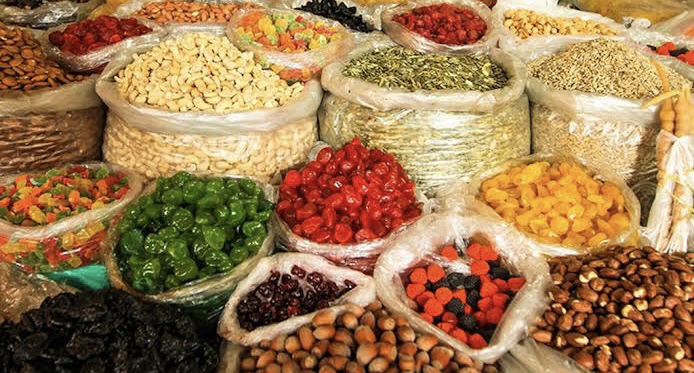
The inputs distributed to the trained farmers included liquid fertilisers, Knapsack sprayers, seeds, agrochemicals, and fish and poultry feeds.

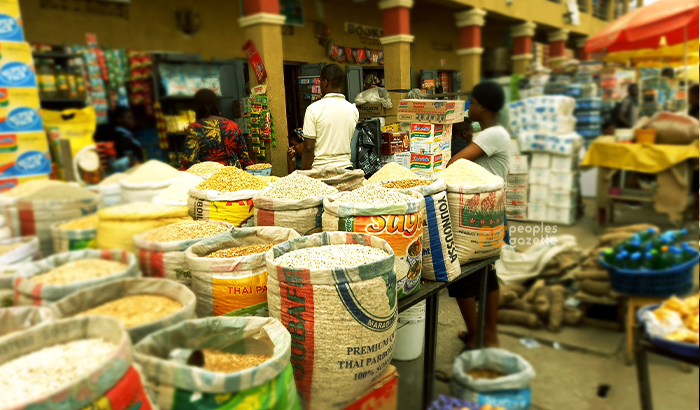
Residents of Awka, the Anambra capital city, lament the hike in prices of foodstuff amid worsening hardships.

“I hear things like scarcity of forex. What is scarcity of forex, as if the world owes us any forex? The world does not owe us any forex.”

According to the report, the figure of 1.72 per cent is higher than the 24.08 per cent recorded in July 2023.

The NBS explained in its report that Nigeria’s annual inflation rate had risen from 22.22 per cent in April to 22.41 per cent in May.
In the same line, food inflation increased from 24.32 per cent in January to 24.35 percent in the reviewed month.
The latest inflation data represents a 0.88 per cent increase from the 19.64 per cent recorded in July 2022.