
The minister described Nigeria’s borrowing profile as favourable.

According to him, while there are signs of improved investor confidence, many domestic businesses, particularly MSMEs, continue to face operational challenges.

The DG said the ICJ did not define the content, scope or conditions for exercising strike rights in member states.

He noted that the world of work was rapidly changing.
She reaffirmed the ministry’s commitment to strengthening occupational safety and health systems nationwide.

Mr Onyejeocha expressed concern that compensation paid to the families of deceased workers was often inadequate and must be changed.

They described the bill as inconsistent with international standards.
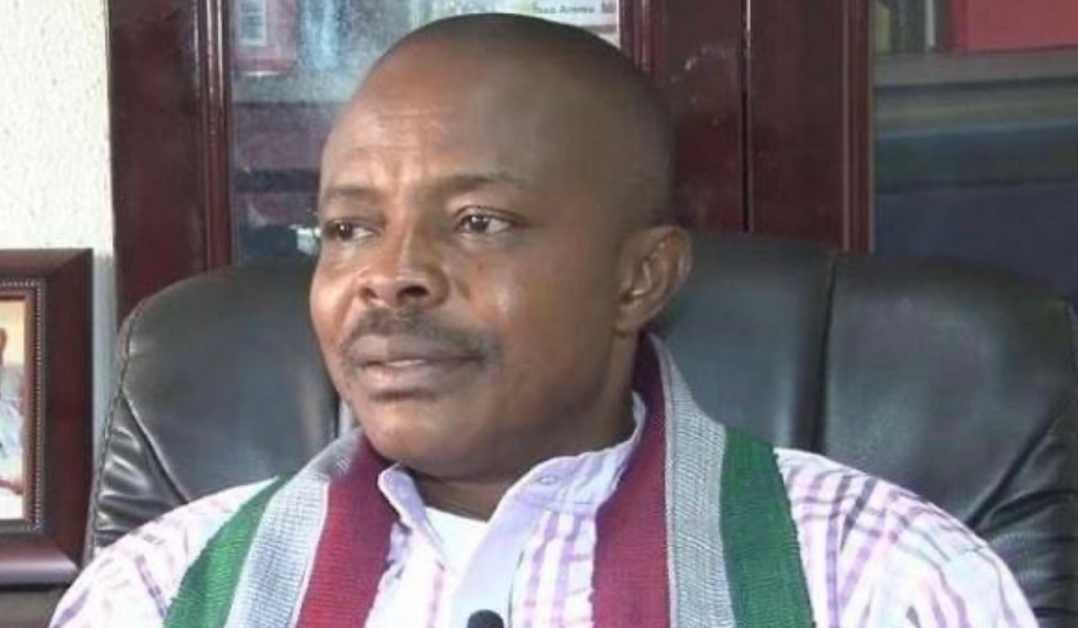
Mr Oyerinde said that the increase showed recognition of the value of workers.
According to Mr Rafsanjani, the dignity of labour and national productivity could no longer be negotiable.

Mr Oyerinde said the capping was a decisive action and a landmark moment for Nigeria’s private sector.


