The report said that in March 2026, the rural inflation rate was 17.22 per cent on a year-on-year basis.

Mr Fasua argued that Nigeria’s inflation orchestrated by citizens to portray the government in a bad light.

Some experts called for the full implementation of zero duty on imported food products and local production of refined petroleum products to check the inflation rate.
At the height of the Zimbabwe economic conundrum, a dollar was exchanged for ZWD2.6 trillion.

“Look at the economy, look at petrol, prices are going up higher and higher; no, it takes you to wake up, and with faith in God, we can do something.”

March inflation data shows a 0.13 per cent increase from the 21.91 per cent recorded in February 2023.
Nigeria’s inflation rate reached a 17-year high of 21.09 per cent in October.
The latest inflation data represents a 0.88 per cent increase from the 19.64 per cent recorded in July 2022.
“Then the domestic currency will be more stable, and the foreign exchange demand triggering inflation will begin to dip,” said one of the experts.
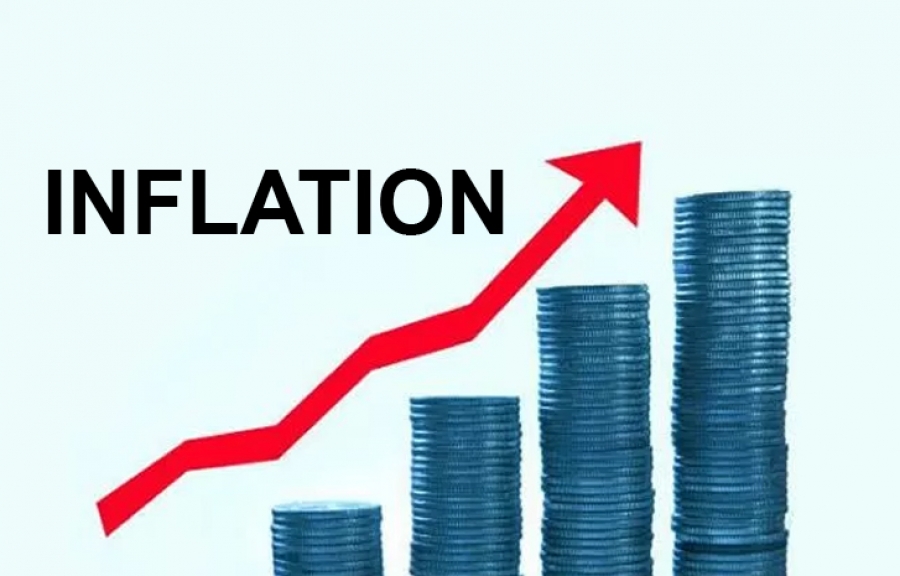
The report said that the Consumer Price Index (CPI) which measures the inflation rate increased to 17.71 per cent on a year-on-year basis.