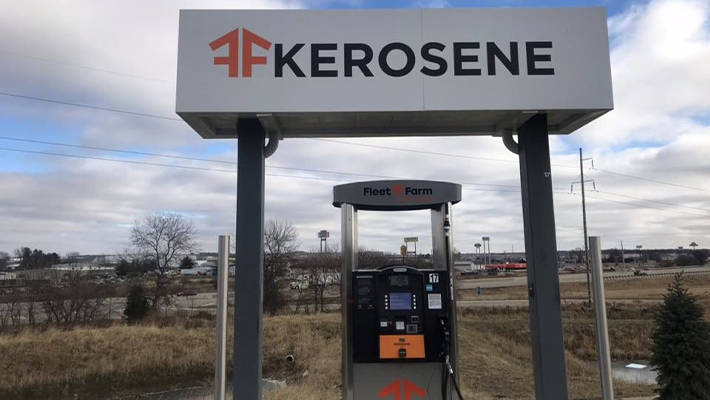
Sokoto recorded the highest average price of N3,984.09, followed by Jigawa at N3,824.68 and Taraba at N3,595.64.
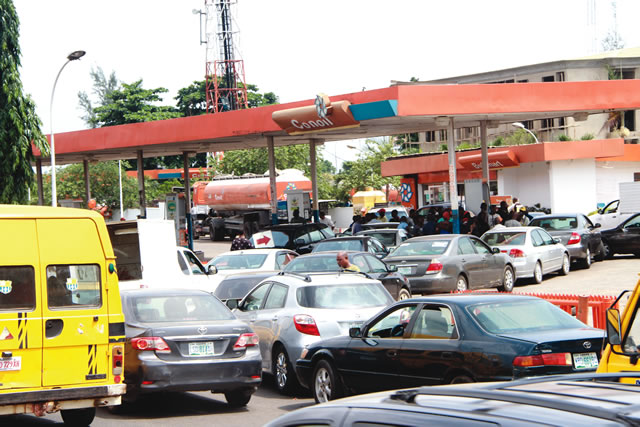
Analysis by zone showed that the South-South recorded the highest average retail price in May.
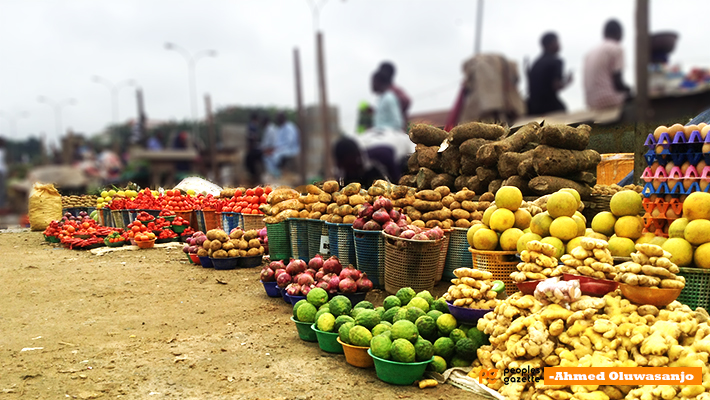
The report said the food inflation rate in January was 8.89 per cent on a year-on-year basis.

NBS said that on a year-on-year basis, the headline inflation rate in August 2024 was 6.35 per cent higher than in August 2023 at 25.80 per cent.
On a quarter-on-quarter basis, NBS said active voice subscribers increased by 1.32 per cent from the 221,769,883 recorded in Q3 2023.

It said the average price of 1kg of local rice increased by 62.68 per cent year-on-year, from N454.10 in August 2022 to N738.74 in August 2023.
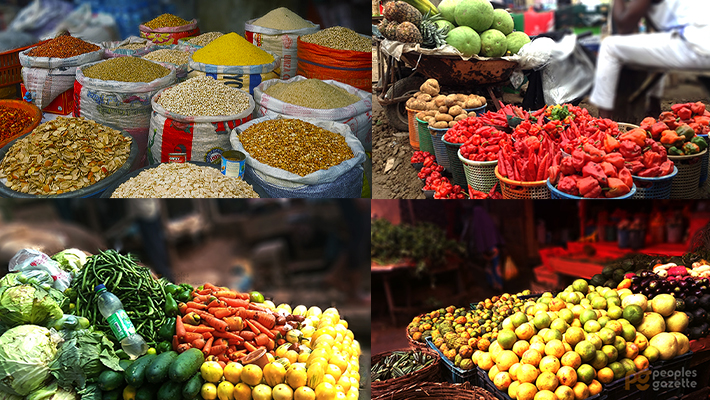
As Nigeria looks to the future, the narrative constructed by data must offer a clear, unobstructed view of the challenges at hand.
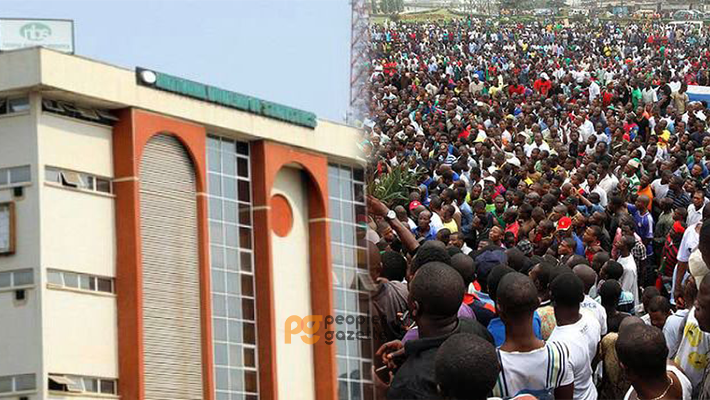
“The rise in food inflation is caused by increases in prices of bread and cereals, potatoes, yams and other tubers, and oil and fat, fish, vegetable, fruits, meat, and spirits.”
The National Bureau of Statistics (NBS) says Nigeria’s total merchandise trade stood at N11.722 billion in the fourth quarter of 2022.

The National Bureau of Statistics (NBS) said the aggregate Value Added Tax (VAT) stood at N697.38 billion in Q4 2022.