

Tanzania confirms outbreak of deadly Marburg virus
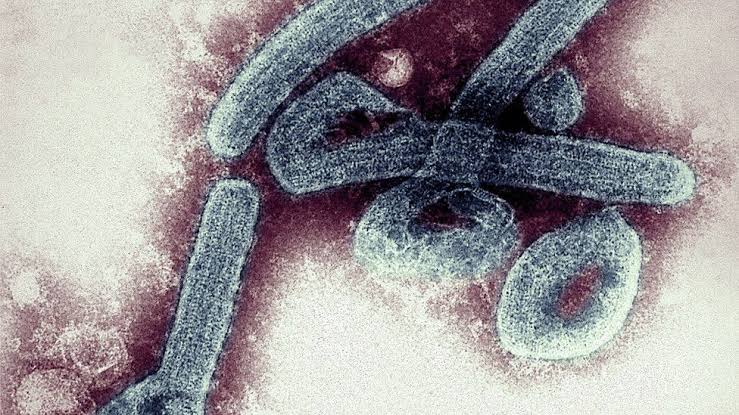
The World Health Organisation says Tanzania confirmed its first-ever cases of Marburg after conducting laboratory tests in the country’s northwest Kagera region.
WHO, in a statement on Wednesday, said lab tests were carried out after eight people in the region developed symptoms of the “highly virulent” disease, including fever, vomiting, bleeding and kidney failure.
Five of the eight confirmed cases have died, including a health worker, and the remaining three are being treated. The agency also identified 161 contacts of those infected, who are currently being monitored.
“The efforts by Tanzania’s health authorities to establish the cause of the disease is a clear indication of the determination to effectively respond to the outbreak. We are working with the government to rapidly scale up control measures to halt the spread of the virus and end the outbreak as soon as possible,” said Matshidiso Moeti, WHO regional director for Africa.
While this is the first time Tanzania has recorded a Marburg case, the country has first-hand experience responding to other crises including COVID-19, cholera and dengue within the past three years.
In September 2022, WHO conducted a strategic risk assessment that revealed the country was at high risk for infectious diseases outbreaks.
“The lessons learnt, and progress made during other recent outbreaks should stand the country in good stead as it confronts this latest challenge. We will continue to work closely with the national health authorities to save lives,” Ms Moeti said.
Marburg virus commonly causes hemorrhagic fever, with a high fatality ratio of up to 88 per cent. It is part of the same family as the virus that causes Ebola. Symptoms associated with the Marburg virus start suddenly, with high fever, severe headache and intense malaise.
The virus is commonly transmitted to humans from fruit bats and spreads through direct contact with bodily fluids of infected people, surfaces and materials.
While there are no vaccines or antiviral treatments approved to treat the virus, supportive care, rehydration and treatment of specific symptoms increase chances of survival.
(NAN)

We have recently deactivated our website's comment provider in favour of other channels of distribution and commentary. We encourage you to join the conversation on our stories via our Facebook, Twitter and other social media pages.

More from Peoples Gazette

States
Independence: NBA urges Nigerians to expect better future
The NBA said that ordinary Nigerians should be deriving benefit from the subsidy removal rather than hardship.

Agriculture
FG tasks ECOWAS on leveraging financing strategies for agroecology
The federal government has urged stakeholders in the agriculture and finance sectors in the West Africa region to leverage financing strategies to enhance agroecology practices

Politics
Katsina youths pledge to deliver over 2 million votes to Atiku
“Katsina State is Atiku’s political base because it is his second home.”

States
Fire razes building in Kwara
Fire has destroyed a building comprising three-bedroom flats in Kangile village, Ilorin South Local Government Area of Kwara State.

Economy
Businesses cannot make 20-year investments without policy certainty: Rabiu
Mr Rabiu urged the government to ensure reforms translate into increased production, employment, and improved living standards.

Politics
Peter Obi has nothing to offer Nigeria beyond ‘dubious’ statistics: Shettima
Mr Shettima neither specified which of Mr Obi’s statistics he was disputing nor explained why he described them as “dubious”.

Politics
Atiku asks Tinubu, wife to explain funding of N150 million SUVs gifted to APC loyalists
Mr Abubakar challenged the presidency to explain the source of funds used to purchase the SUVs and the total cost of the donations.

Politics
Uba Sani to Opposition: ‘Don’t rely on social media, go out and campaign’
Mr Sani said that instead of canvassing for people’s support, the opposition was using doctored photos to disparage APC.
Economy
FG proposes impact assessments before major tax, tariff changes
Mr Oyedele said economic success should be reflected in household incomes, employment and the ability of small businesses to expand.


