

Tinubu doing well with Nigeria’s economy; implementing policies Buhari, Jonathan, Obasanjo dodged: IMF

The International Monetary Fund has lauded President Bola Tinubu for embarking on structural reforms ex-Presidents Muhammadu Buhari, Goodluck Jonathan and Olusegun Obasanjo “shied away from.”
The global financial institution projected that Nigeria’s economy would grow by three per cent in 2024.
“The new administration has made a strong start, tackling deep-rooted structural issues in challenging circumstances. Immediately, it adopted two policy reforms that its predecessors had shied away from: fuel subsidy removal and the unification of the official exchange rates,” IMF said.
The global lender disclosed this in a statement summarising its assessment of the Nigerian economy, published on Friday, projecting the country’s economic growth to reach three per cent in 2024.
“Growth is projected at 2.9 per cent for 2023 and 3 per cent in 2024, as hydrocarbon performance revives, including from better control of theft.
“If the authorities succeed in developing and implementing a comprehensive reform agenda, the medium-term outlook would be much improved,” IMF said.
The IMF, however, admitted that “per-capita growth in Nigeria has stalled, poverty and food insecurity are high, exacerbating the cost-of-living crisis. Low reserves and very limited fiscal space constrain the authorities’ option space.”
Though the IMF and other experts have continued to laud Mr Tinubu’s economic policies, Nigerians have witnessed increased hardship as food prices skyrocket due to rising economic inflation.
Last week, Nigerians hit the streets in protests on economic hardship in Niger, Kano and Lagos States. A market survey by Peoples Gazette last Wednesday showed that prices of virtually all food items have sharply increased by almost 100 per cent in the past nine months since Mr Tinubu assumed office.
In response to public outcry on the rising cost of food driven by skyrocketing inflation in the country, Mr Tinubu had directed the Ministry of Agriculture and Food Security to release about 42,000 metric tonnes of grain, including maize, millet and garri.
On Sunday, Mr Tinubu vowed to make Nigeria a net exporter of food in Africa through aggressive mechanised agriculture.
IMF added, “President Tinubu has moved ahead with important structural reforms: removing fuel subsidies and unifying the various official foreign exchange windows. He appointed a Presidential Fiscal Policy and Tax Reforms Committee to make proposals for raising domestic revenue to support investments in infrastructure, health, and education.
“To ease the impact of rapidly rising inflation on living conditions, the government has released cereals from the grain reserve, provided subsidized fertilizer to farmers, capped retail fuel and electricity prices—thus partially reversing the fuel subsidy removal—implemented a civil service wage award, and suspended the VAT on diesel.
The global lender explained that Nigeria faces a difficult external environment and wide-ranging domestic challenges like many other countries, noting that external financing (market and official) is scarce, and global food prices have surged, reflecting the repercussions of conflict and geo-economic fragmentation.
It stressed that the CBN “has set out on a welcome path of monetary tightening,” adding that the apex bank’s governor, Olayemi Cardoso, “has committed to making price stability the core objective of monetary policy, and the CBN has taken actions to mop up excess liquidity.
Raising the monetary policy rate until it “is positive in real terms would be an important signal of the direction of monetary policy,” said the IMF.
The government’s focus on revenue mobilisation and digitalisation would improve public service delivery and safeguard fiscal sustainability,” the IMF report stated, with an envisaged reduction in the overall deficit in 2024, which would help contain debt vulnerabilities and eliminate the need for CBN financing.
It pointed out that temporary and targeted support to the most vulnerable through social transfers “is needed, given the ongoing cost-of-living crisis.”

We have recently deactivated our website's comment provider in favour of other channels of distribution and commentary. We encourage you to join the conversation on our stories via our Facebook, Twitter and other social media pages.

More from Peoples Gazette

States
Independence: NBA urges Nigerians to expect better future
The NBA said that ordinary Nigerians should be deriving benefit from the subsidy removal rather than hardship.

Agriculture
FG tasks ECOWAS on leveraging financing strategies for agroecology
The federal government has urged stakeholders in the agriculture and finance sectors in the West Africa region to leverage financing strategies to enhance agroecology practices

Politics
Katsina youths pledge to deliver over 2 million votes to Atiku
“Katsina State is Atiku’s political base because it is his second home.”
States
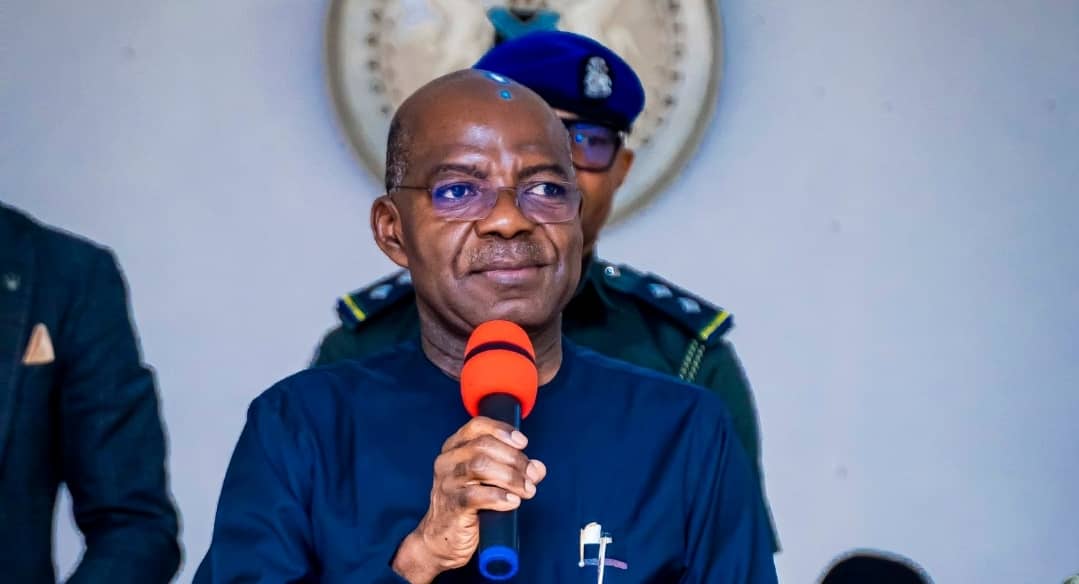
Otti advises Abia residents to reject election-season politicians’ promises
The bishop thanked God for giving Abia the opportunity to be governed by Mr Otti.

Heading 3
NiMet predicts three-day rain, sunshine nationwide from Monday
The agency also predicted cloudy skies with intervals of sunshine across the southern region.
States
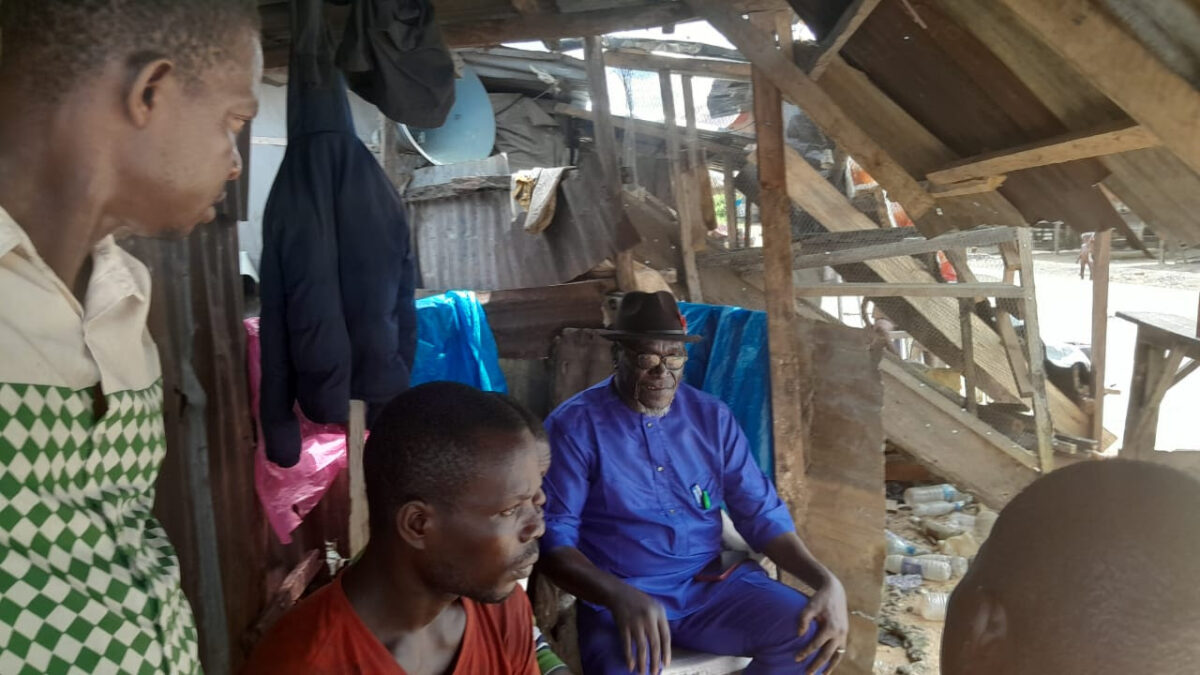
Environmentalists seek probe into Bayelsa, Rivers tremors
A fruit seller, Benita Douglas, said the vibration broke another trader’s table.

States
Coalition urges investment in girls’ education to end child marriage
Mr Ibn-Attahir said keeping girls in school was essential to ending child marriage.

Hot news Home top
FG condemns Houthi attack on Saudi Arabia’s airport, urges restraint
The ministry stressed the need to respect Saudi Arabia’s sovereignty and territorial integrity.

States
PDP governorship candidate vows free shops for traders affected by Enugu market demolition
Mr Nnaji described trading as an integral part of the people’s economic and social life.


