

Tinubu govt to launch national campaign to promote made-in-Nigeria goods

The federal government is set to launch a national campaign to promote made-in-Nigeria goods and services under the Nigeria First policy as part of efforts to revitalise the manufacturing sector.
President Bola Tinubu stated this in Lagos at the fifth Adeola Odutola lecture by the Manufacturers Association of Nigeria.
He was represented at the event by the Minister of State for Industry, Trade and Investment, John Enoh. According to him, the campaign aims to shift national demand towards Nigerian products that meet global quality standards, while also addressing the country’s import dependency.
Mr Tinubu noted that preliminary studies showed that such a campaign could boost the manufacturing sector by up to six per cent and create over 500,000 jobs within the next three years. He said his administration would continue to prioritise the growth of Nigeria’s manufacturing sector through policies promoting production, consumption, and export of made-in-Nigeria goods.
“No country achieves prosperity or dignity without producing what it can and exporting at scale what it does best. Economics of resilience begins in the factory and thrives in the marketplace, and we are committed to reducing structural costs and enabling our manufacturers to compete effectively both at home and abroad,” he said.
Mr Tinubu also outlined six key policy commitments under the ‘Nigeria First’ strategy. They include federal procurement reforms, quality and standards enforcement, export expansion, access to finance, energy and logistics, and skills development and input security.
He urged MAN members to uphold quality and transparency in production while collaborating with government agencies to share accurate data on capacity and pricing for effective policy planning.
The president of Dangote Group, Aliko Dangote, said manufacturers had eight key expectations from the Nigeria First policy. Mr Dangote said that for the policy to work, it must be designed as a durable, binding national strategy for industrial development, capable of withstanding political transitions and market pressures alike.
He stressed that it must be anchored on both global best practices and Nigeria’s own industrial realities.
Mr Dangote listed the expectations to include legislating the policy as a binding law with punitive measures for non-compliance, ensuring policy stability, consistency, and long-term commitment.
He added that it was important to develop a national supplier registry, drive consumer engagement and a national cultural shift, incentivise backward integration, and address infrastructure and energy deficits.
Dangote called for enhanced access to finance to build local supplier capacity and leverage the African Continental Free Trade Area and regional export potential to strengthen local competitiveness.
“The Nigeria First policy represents a bold opportunity to industrialise sustainably. Its success depends on clear legislation, institutional enforcement, stable policy implementation, and strong alignment across government agencies and industry.
“To transform the economy, the Nigeria First policy must move beyond declarations into actionable, measurable outcomes that prioritise local value creation and national prosperity. Every nation is in a race to improve the living conditions of its citizens, and we must realise that we are in this race, and it is a very competitive race.
“The government has done a few things that have given us a fighting chance. The Nigeria First policy, if embraced, will place us in a very competitive position,” he said.
The president of MAN, Francis Meshioye, praised the government’s efforts to transform the economy through various policy reforms, including the Nigeria First policy. Mr Meshioye stated that the full legislation and implementation held the potential to significantly boost the fortunes of the manufacturing sector and improve the well-being of the Nigerian citizenry.
He, however, noted the tough realities facing the manufacturing sector, shaped by global headwinds and domestic macroeconomic and policy constraints. Mr Meshioye said the Nigeria First policy was not merely an industrial ambition, but a matter of national economic survival.
(NAN)

We have recently deactivated our website's comment provider in favour of other channels of distribution and commentary. We encourage you to join the conversation on our stories via our Facebook, Twitter and other social media pages.

More from Peoples Gazette

States
Independence: NBA urges Nigerians to expect better future
The NBA said that ordinary Nigerians should be deriving benefit from the subsidy removal rather than hardship.

Agriculture
FG tasks ECOWAS on leveraging financing strategies for agroecology
The federal government has urged stakeholders in the agriculture and finance sectors in the West Africa region to leverage financing strategies to enhance agroecology practices

Politics
Katsina youths pledge to deliver over 2 million votes to Atiku
“Katsina State is Atiku’s political base because it is his second home.”
Heading 4
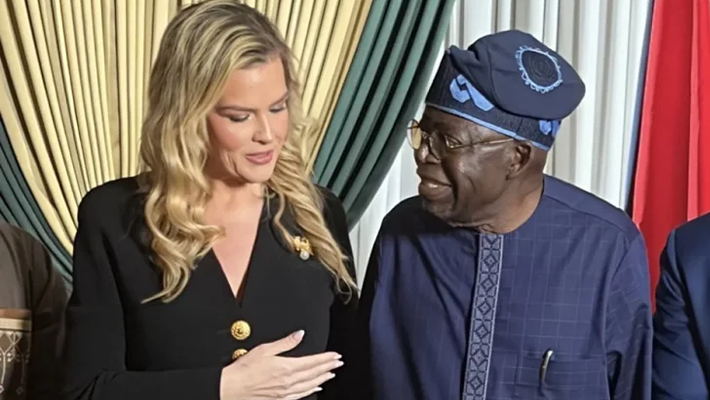
Tinubu Interview: Diana London says $4.5 million did not hit her account from Nigeria
Ms London, a woman with a history of theft, said her visit to Nigeria was to interview Mr Tinubu for a documentary.
NationWide
ADC asks Tinubu to explain $4.5 million payment to U.S. lobbyist Diana London
Mr Ologbondiyan described the reported payment as disturbing and wasteful.

Lagos
Man with Nigerian, Canadian passports killed in Lagos accident
Mr Adeola said the deceased’s remains had been deposited in a hospital morgue.
Heading 1
Only education can defeat terrorism, says Buratai
Mr Buratai said national development must go beyond infrastructure.

Heading 2
21 ISWAP fighters killed in Borno
The raids were conducted by the air assets of the troops between Monday and Tuesday.
Anti-Corruption
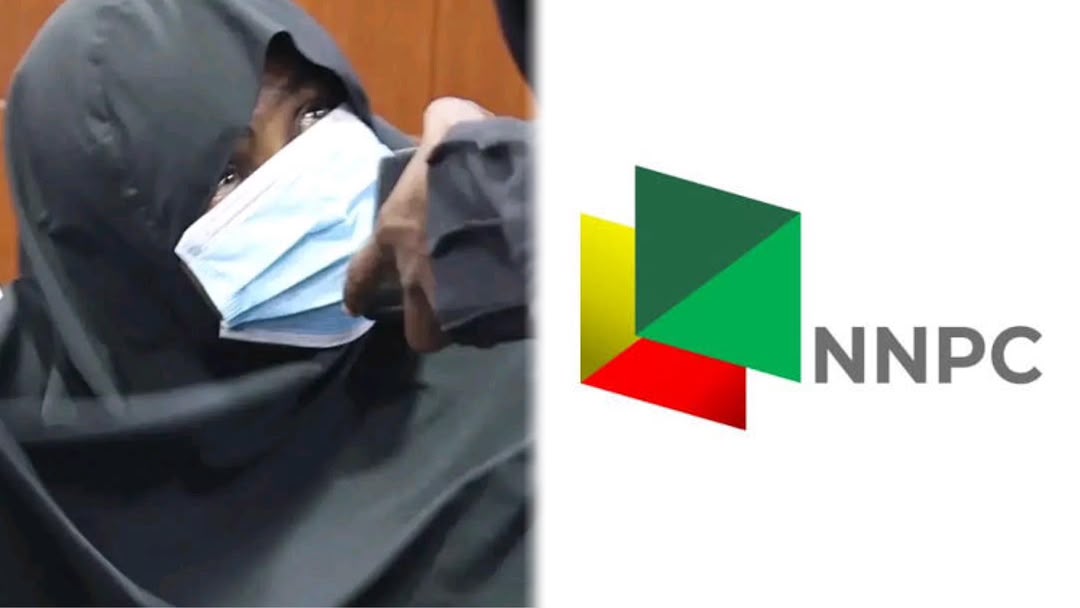
Court remands socialite over alleged N603 million NNPC job scam
Ms Tejuosho, however, pleaded not guilty to all five counts when they were read to her.


