

Tinubu’s economic policies disjointed, won’t end Nigerians’ hardship: Financial Times

President Bola Tinubu’s economic policies are disjointed, pushing tens of millions into misery and would not end Nigerians’ hardships, Financial Times reported.
In an editorial article assessing Mr Tinubu’s over one year in office published on Wednesday, the newspaper dismissed “Tinubunomics,” a term blending Mr Tinubu’s name with the last five letters of “economics,” as “disjointed.”
“Tinubunomics” is so disjointed it barely deserves the name,” Financial Times wrote, warning that “Shock therapy will probably fail if important adjustments are not made.”
The newspaper said under Mr Tinubu’s watch, “Hunger levels are soaring and millions of children are foregoing meals and school,” adding that the president’s economic policies, fuel subsidy removal and floating of the naira, have “pushed tens of millions of already impoverished people deeper into misery.”
“In the nearly 15 months since Bola Tinubu became president, he has forced his 220mn fellow Nigerians to swallow some bitter medicine. He removed a generous fuel subsidy, one of the few benefits citizens receive from their inefficient and corrupt state.
“He allowed the country’s currency, the naira, to enter freefall, fuelling imported inflation and triggering the worst cost of living crisis in a generation. These measures have pushed tens of millions of already impoverished people deeper into misery,” Financial Times said.
Ajuri Ngelale, spokesperson for Mr Tinubu, could not be reached for comment on the Financial Times criticism. Text and WhatsApp messages sent to Mr Ngelale seeking a response to the Financial Times article went unreplied.
Bayo Onanuga, another media aide for Mr Tinubu’s government, responded to a text from the Peoples Gazette asking to be shown the Financial Times story. After reviewing the report, he claimed that it was “not new,” as it had been published since “last week Thursday,” and accused The Gazette of “quoting the paper out of context.”
However, when informed that the Financial Times editorial was published on July 17, just three days ago, and asked to respond to Financial Times criticism, Mr Onanuga did not reply.
This criticism from the Financial Times echoes earlier assessments from international media outlets. In June, the New York Times reported that Nigeria is enduring its worst economic crisis in decades under Mr Tinubu’s leadership, characterised by spiking inflation, a declining national currency, and widespread food insecurity.
Despite the criticism, Mr Tinubu has attributed the country’s economic woes to the legacies of his predecessors, suggesting that he inherited a nation in disarray.
While Nigeria’s economic challenges predate Mr Tinubu’s presidency, his policies—particularly the removal of the fuel subsidy and the decision to float the naira—have resulted in petrol prices soaring from N145 to N710 per litre and the naira depreciating to approximately N1,500 against the dollar.
Additionally, food prices have more than doubled nationwide, as revealed by surveys from the Peoples Gazette. This surge in the cost of food has ignited protests across several states, including Niger, Osun, Ibadan, and Lagos, Mr Tinubu’s home state.
As the economic situation continues to deteriorate, the effectiveness and impact of Mr Tinubu’s policies remain under intense scrutiny both domestically and internationally while citizens plan nationwide protests against Mr Tinubu’s government.

We have recently deactivated our website's comment provider in favour of other channels of distribution and commentary. We encourage you to join the conversation on our stories via our Facebook, Twitter and other social media pages.

More from Peoples Gazette

States
Independence: NBA urges Nigerians to expect better future
The NBA said that ordinary Nigerians should be deriving benefit from the subsidy removal rather than hardship.

Agriculture
FG tasks ECOWAS on leveraging financing strategies for agroecology
The federal government has urged stakeholders in the agriculture and finance sectors in the West Africa region to leverage financing strategies to enhance agroecology practices

Politics
Katsina youths pledge to deliver over 2 million votes to Atiku
“Katsina State is Atiku’s political base because it is his second home.”

States
Suspected cultists renovate Rivers police outpost, celebrate completion there
The police commissioner has ordered a full investigation to establish the circumstances surrounding the incident.

States
Lagos water network serves only 1.03% of 20 million residents: LWC
Mr Anifowoshe said the corporation had an installed water production capacity of about 210 million gallons per day (MGD).

Heading 5
Catholic priest dies after Jesus’ statue falls on him during service
Mr Molinari was being live-streamed when the incident occurred on Saturday.
States
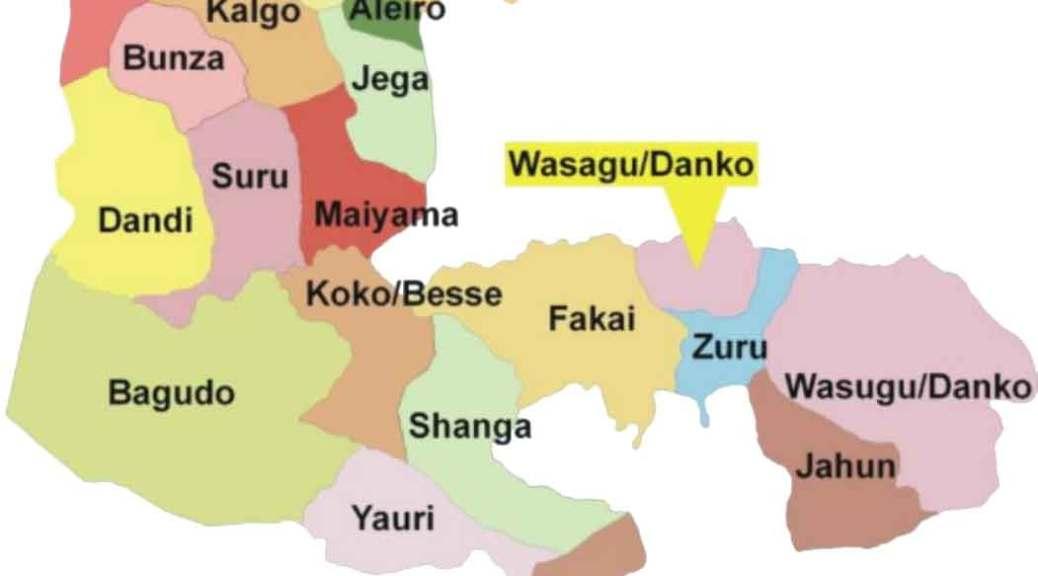
Kebbi governor’s aide empowers 400 residents in Zuru
Beneficiaries were given cash ranging from N10,000 to N20,000.
States
I’ve paid over N7 billion as compensation to property owners: Gov Sani
The governor commended the owners of the 865 affected households.

Heading 5
Lagos strengthens culture, youth engagement to boost creative economy
According to Mr Johnson, the government was encouraging young people to develop their creative skills.


