

Tinubu’s govt building resilient economy for Nigerians: Shettima

Vice-President Kashim Shettima says President Bola Tinubu’s government is building a resilient economy that can withstand shock.
Mr Shettima stated this at the 30th Nigerian Economic Summit (NES30) in Abuja.
“It is also important to note that stability is not just about managing crises as they arise. It is about building a resilient economy that can withstand shocks. As a nation, we must prioritise economic diversification,” the vice-president said.
Mr Shettima added that the role of the NES group was crucial in that process. He said the present administration, under its ‘Renewed Hope Agenda’, had embarked on bold and courageous reforms designed to create an environment that would boost a sustainable economic growth and shared prosperity.
“Our focus is on sectors that can offer inclusive and sustainable growth, such as agriculture, manufacturing, and the digital economy,” he said.
Mr Shettima said that the digital economy held a prospect for revitalising the economy. According to a global finance consultancy output, there will be 65 million global talents by 2035.
“I am pleased to report that we are making significant strides in addressing several key issues, including regulatory and ease of doing business challenges. This progress will instill confidence in our collective ability to overcome those challenges,” the vice-president said.
Mr Shettima said the administration’s objective was to ensure the Nigerian economy was inclusive. He said the administration wanted an inclusive economy where small and medium-sized enterprises can thrive alongside large corporations and where every citizen, regardless of location or background, could benefit from economic opportunities.
“We have initiated various programmes, such as the MSMEs hubs and single-digit loans for manufacturers designed to provide entrepreneurs with the support they need to succeed. We have also introduced a credit corporation to offer our workers consumer loans with single-digit interest.
“These initiatives collectively will grow the economy and ensure it remains competitive in Africa and globally,” Mr Shettima said.
Mr Shettima said that the government was investing heavily in security operations to combat terrorism, banditry, and other insecurity threats to lives and livelihoods.
The vice-president said that the administration was implementing fiscal reforms to stabilise the macroeconomic environment.
“By removing fuel subsidies, unification of exchange rates, and debt management strategies are all part of a broader effort to restore economic balance and ensure long-term stability,” he said.
Mr Shettima said that to achieve this, Nigeria must strengthen its social safety nets and ensure that the most vulnerable members of society are protected during tough times.
“We are already expanding programmes like the National Social Investment Programme, National Poverty Reduction and Growth Strategy, and other livelihood support initiatives crucial to millions of Nigerians.
“However, we must do more to institutionalise these safety nets and make them a permanent feature of our economic architecture,” he said.
The vice-president also mentioned that no single sector or stakeholder could address those challenges alone but through collaboration.
“The public and private sectors, civil society and international development partners collaborate to drive a shared vision for growth and development. I want to emphasise that the challenges before us were insignificant and manageable and could be overcome.
“With the right policies, the right partnerships and the right level of commitment, Nigeria can emerge stronger, more competitive, and more resilient,” he said.
According to Mr Shettima, NES remains invaluable for fostering the dialogue and collaboration needed to move our country forward.
He said that Nigeria had experienced significant economic problems over the past few years, just like many other nations.
“The challenges have been global as well as domestic, ranging from the COVID-19 pandemic and fluctuating oil prices to internal security issues, inflation, and structural weaknesses in our economy, such as over-reliance on oil revenue and lack of economic diversification.
“Nigeria’s growth trajectory has been volatile, heavily dependent on oil revenues, and unable to create enough jobs to keep pace with our rapidly growing population,” Mr Shettima explained.
(NAN)

We have recently deactivated our website's comment provider in favour of other channels of distribution and commentary. We encourage you to join the conversation on our stories via our Facebook, Twitter and other social media pages.

More from Peoples Gazette

States
Independence: NBA urges Nigerians to expect better future
The NBA said that ordinary Nigerians should be deriving benefit from the subsidy removal rather than hardship.

Agriculture
FG tasks ECOWAS on leveraging financing strategies for agroecology
The federal government has urged stakeholders in the agriculture and finance sectors in the West Africa region to leverage financing strategies to enhance agroecology practices

Politics
Katsina youths pledge to deliver over 2 million votes to Atiku
“Katsina State is Atiku’s political base because it is his second home.”
States
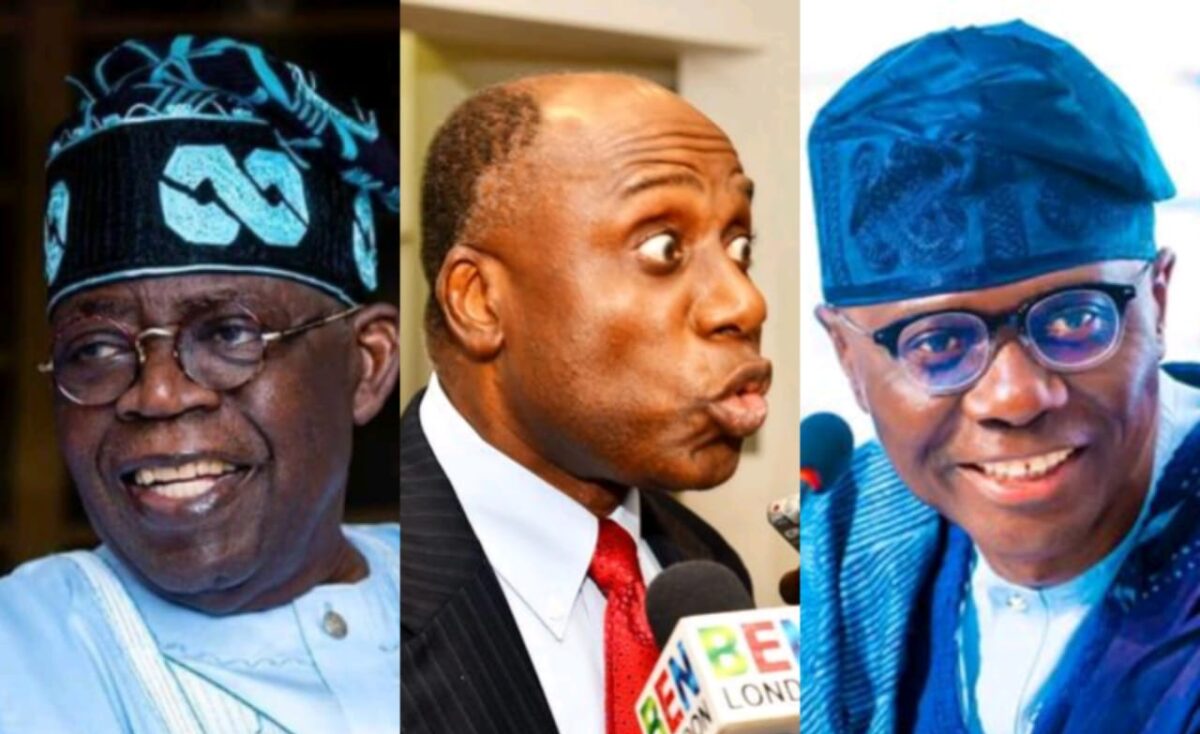
Tinubu, Sanwo-Olu falsely took credit for Lekki Deep Seaport I built: Amaechi
Mr Amaechi, the running mate to Atiku Abubakar, promised to develop the Gelegele Seaport in Edo State if elected to office.

Politics
We’ll make campaign difficult for ‘lunatic’ Amaechi in Rivers if he keeps insulting Tinubu’s supporters: Wike
Mr Wike also accused Mr Amaechi of failing to account for funds spent on projects during his tenure as governor of Rivers State.

Heading 3
Oyedele defends Tinubu’s 30-day fuel subsidy, says it’s discount
“The discount is not funded by the federal budget or the federation account,” Mr Oyedele said.
Heading 1
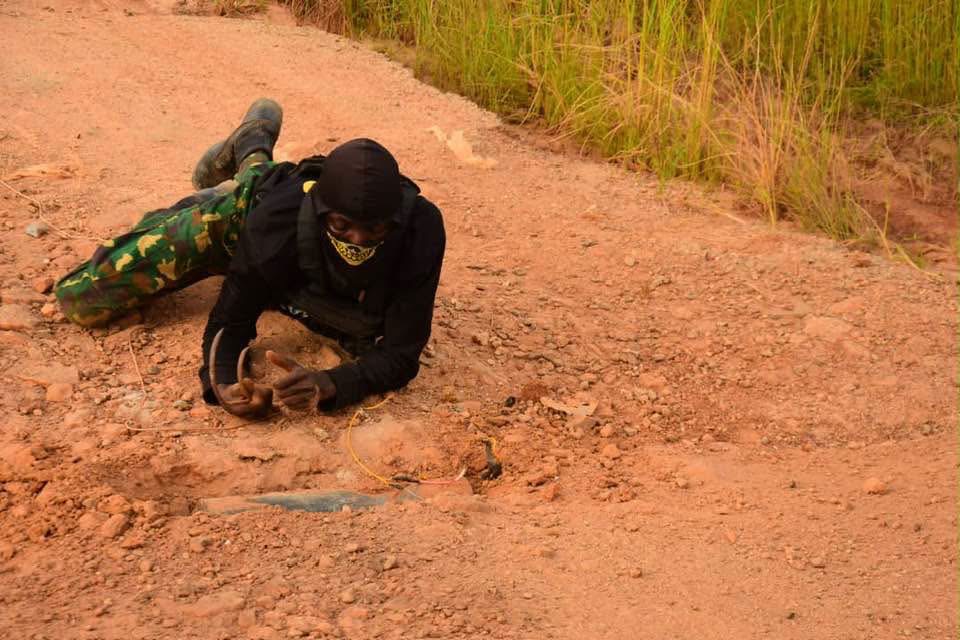
Troops neutralise IEDs planted along Zamfara road
The army said an explosive ordnance disposal team was subsequently deployed to destroy one device.
NationWide
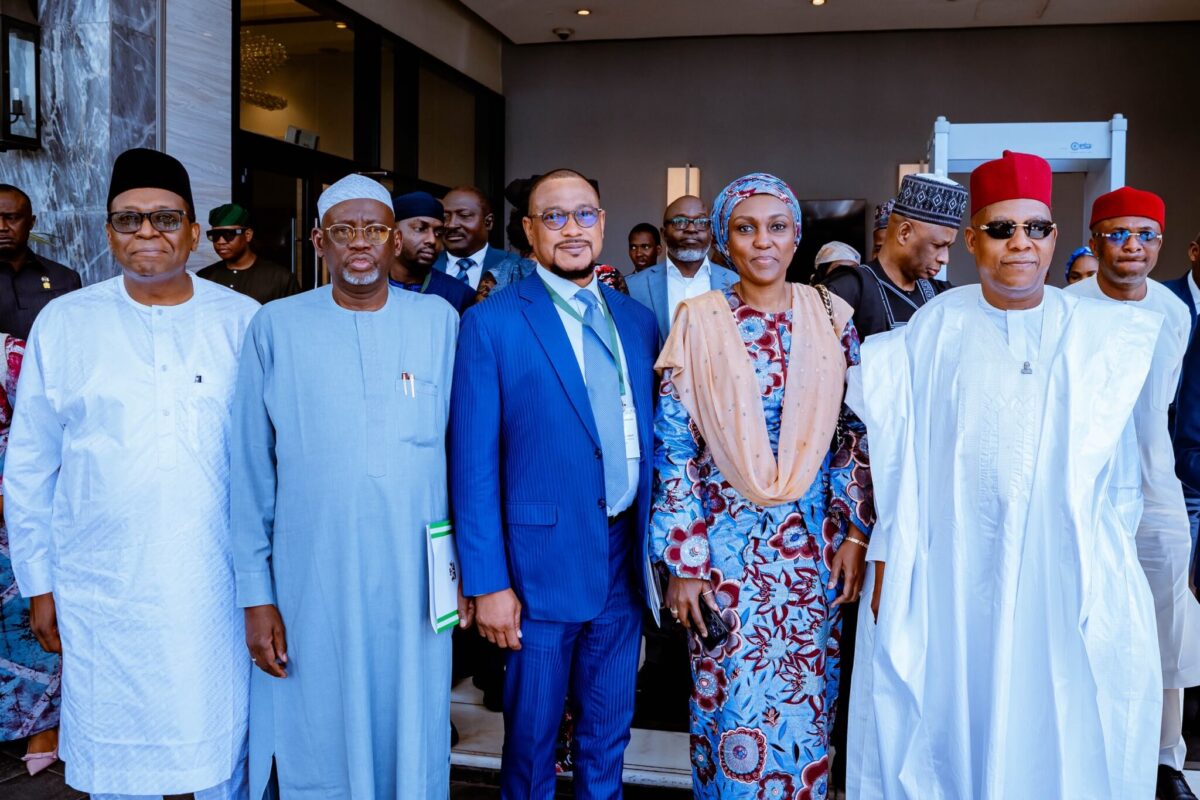
FG, states move to improve grassroots nutrition delivery
Mr Alausa said nutrition interventions should begin during pregnancy and continue through the critical early stages of childhood development.
Anti-Corruption
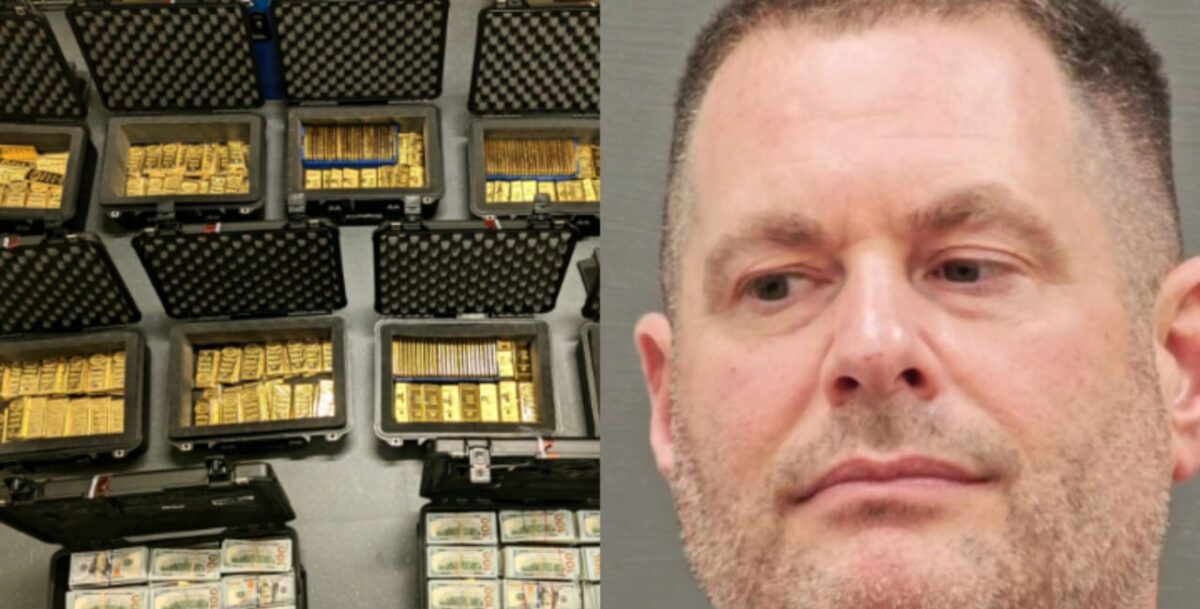
CIA official dupes U.S. govt, splurges $194 million on gold, real estate, Rolexes, 2026 BMW Alpina cars
The FBI recovered 298 gold bars, $2,106,550 in cash, €104,795, numerous luxury watches, and two 2026 BMW Alpina vehicles from Mr Rush. He faces 20 years in prison.


