
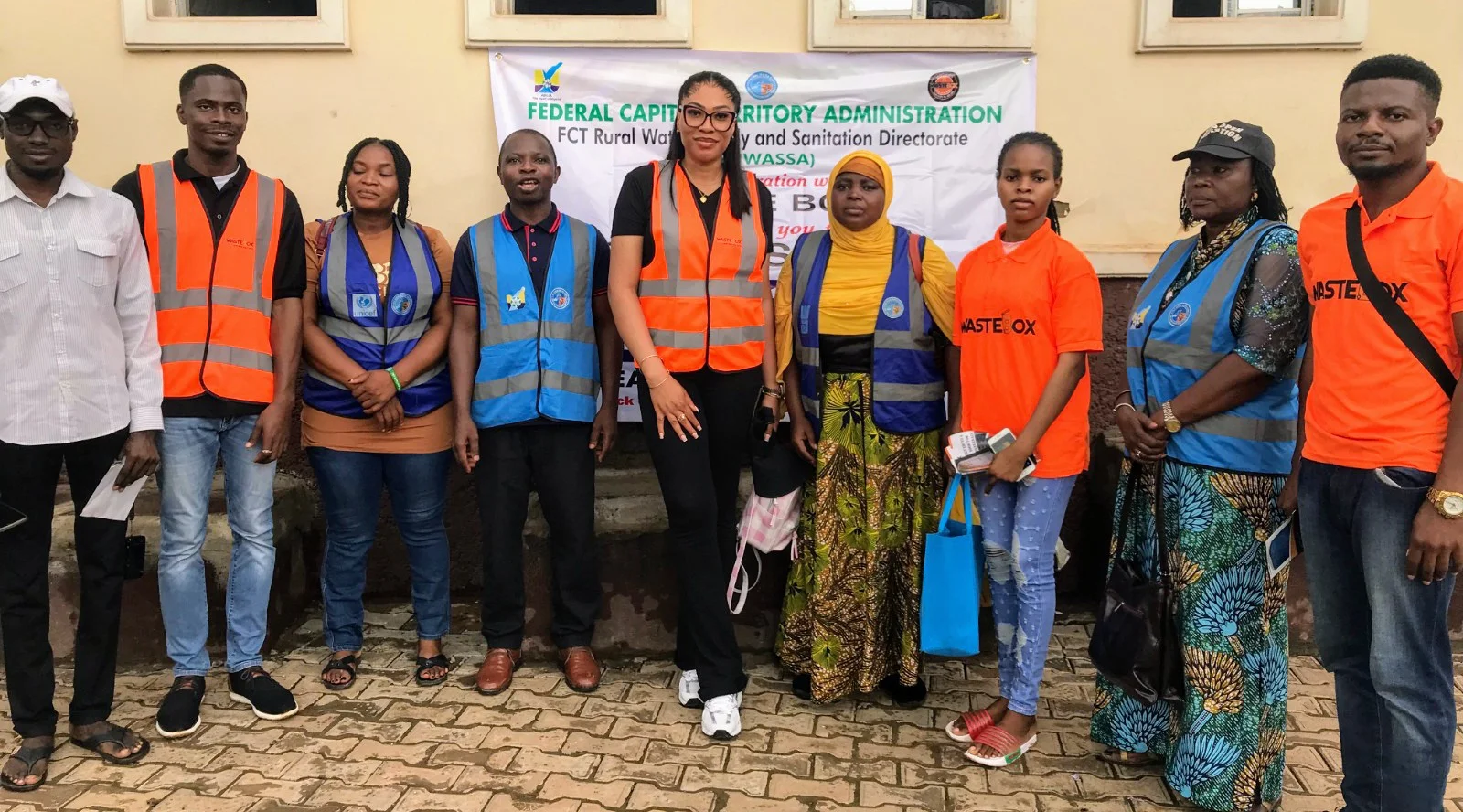
Drivers and commuters in the motor parks, including traders and residents on the streets, were reached with key messages on the dangers of open defecation.
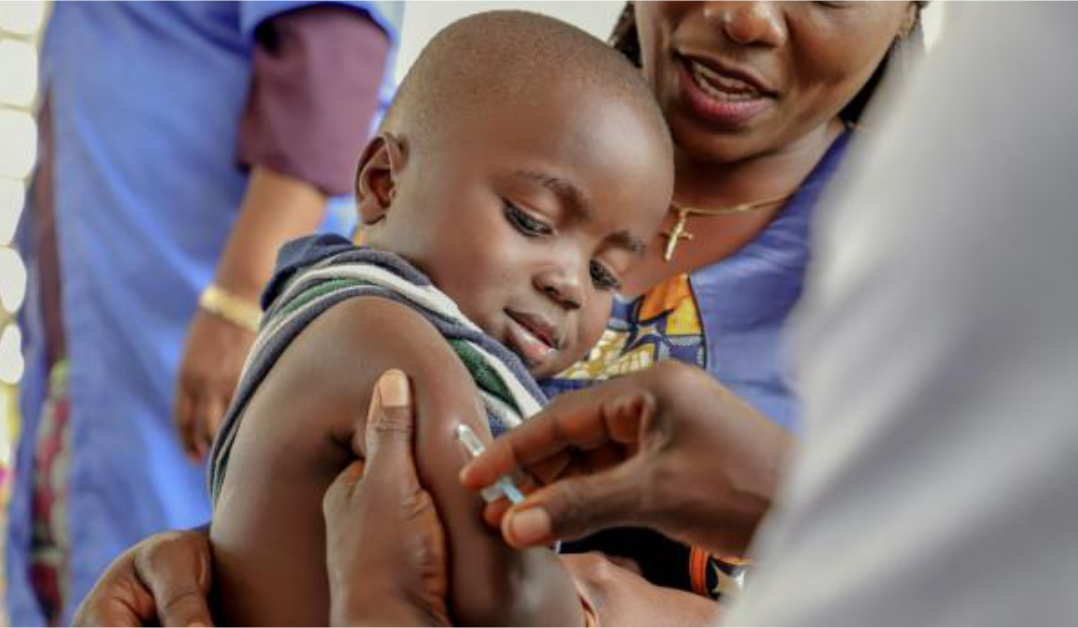
The Katsina directorate of the National Orientation Agency has launched a special sensitisation campaign on the importance of the measles-rubella vaccine.
Despite intensified efforts, the NCDC said that several persistent challenges remained.

He called on all stakeholders to be proactive in reducing mortality in their respective communities.

The NMA noted that the longstanding concerns required urgent and comprehensive attention.
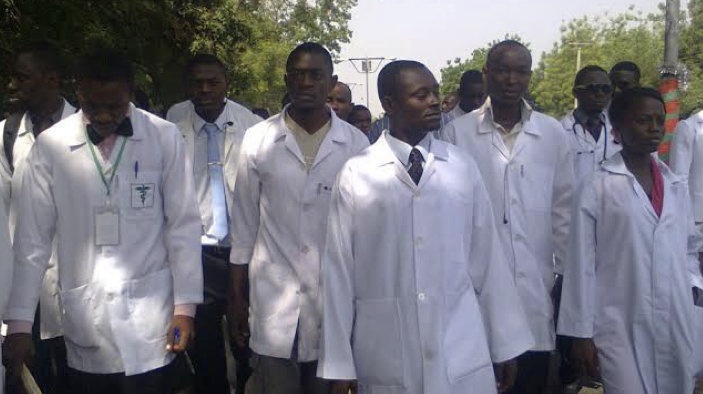
He stated that the doctors were leaving the state service at an alarming rate from February 2025 to date.
The strike, commencing at 12:00 a.m. on Tuesday, will involve a total withdrawal of services across all federal health institutions.

President of the alumni association, Paul Ishiemomoh, made the appeal in an interview in Calabar on Monday.

The guild, which includes doctors working for the Lagos government, first declared its intention to strike on July 26.

”This visit is to personally verify the authenticity of a recent viral report claiming that no fewer than 400 malnourished children are admitted daily in this centre,” said the governor.


